






When you smoke or snort kratom, you’re bypassing your digestive system’s natural safeguards, sending alkaloids directly into your bloodstream at unpredictable concentrations. This rapid absorption intensifies cardiovascular stress, increases seizure risk, and accelerates addiction development faster than oral consumption. You’re also exposing yourself to potential contaminants, heavy metals, and bacterial infections that unregulated products often carry. Understanding the specific dangers of each consumption method can help you recognize warning signs and make informed decisions about your health.
Smoking or Snorting Kratom Delivers Unpredictable Doses Fast
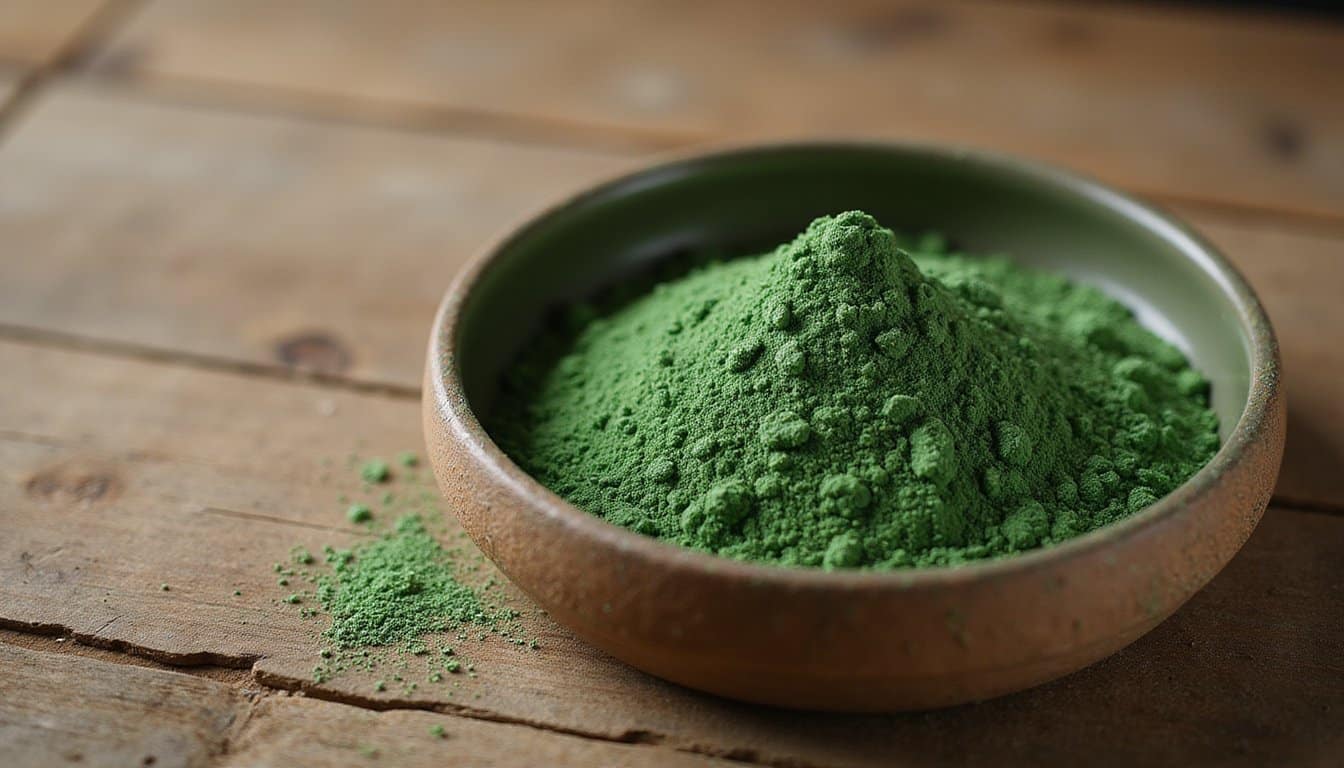
When you smoke or snort kratom, the substance bypasses your digestive system and enters your bloodstream far more rapidly than oral ingestion allows. This accelerated absorption intensifies kratom’s opioid-like properties, creating a quicker, more potent effect that’s difficult to control.
So can you smoke kratom or can you snort kratom safely? The evidence suggests neither method allows accurate dosing. What happens if you smoke kratom includes heat destruction of active alkaloids, making potency unpredictable. What happens if you snort kratom involves poor powder dissolution that clogs nasal passages, often pushing you toward higher doses. Snorting can also cause damage to mucous membranes, sinus infections, and respiratory tract infections over time.
The plant fiber in kratom powder complicates matters further, requiring more substance to achieve desired effects. This combination of rapid delivery and dosing uncertainty markedly elevates your risk of adverse outcomes. These dangerous consumption methods heighten the possibility of dependency, overdosing, and even fatality. If overdose occurs, symptoms can include muscle tremors, sedation, hallucinations, and breathing difficulties, making immediate medical attention essential.
Heart Risks Spike When You Inhale Kratom
Inhaling kratom forces alkaloids into your bloodstream at speeds your cardiovascular system isn’t prepared to handle. When you consider whether can kratom be smoked or can kratom be snorted, understand that rapid absorption intensifies cardiac stress. National Poison Data System analysis documented tachycardia in 21.4% of kratom exposures and hypertension in 10.1% of cases.
What happens if you snort kratom includes unpredictable alkaloid delivery directly to cardiac tissue. Mitragynine prolongs QTc intervals dose-dependently, increasing arrhythmia risk. In vitro studies confirmed that mitragynine causes prolonged QTc interval and elevated risk of torsades de pointes. Can you smoke kratom safely? Evidence suggests inhalation bypasses digestive processing, potentially accelerating dangerous cardiovascular effects. CDC data linked 91 kratom overdose deaths in the U.S. between July 2016 and December 2017, highlighting the severity of potential outcomes.
Documented complications include ventricular fibrillation, cardiac arrest, and sudden cardiac death. If you have pre-existing heart conditions, inhaled kratom compounds these dangers through cumulative vasoconstriction and heightened blood pressure. Some case reports suggest long-term, high-dose kratom use may contribute to cardiomegaly or enlarged heart, adding another serious cardiovascular concern.
Seizures and Psychosis From Rapid Kratom Absorption

When you smoke or snort kratom, the rapid absorption can trigger seizures and psychosis more quickly than oral consumption allows. Generalized tonic-clonic seizures occur in approximately 6% of kratom toxicity cases, while hallucinations and severe agitation emerge in nearly 5% and 19% of exposures respectively. The compound 7-hydroxymitragynine has higher abuse potential than mitragynine and produces stronger analgesic effects, contributing to these severe neurological reactions. You should recognize warning signs like confusion, paranoia, auditory or visual hallucinations, and prolonged insomnia as indicators that require immediate medical attention.
Faster Onset, Higher Risk
How quickly a substance reaches your brain can dramatically change its safety profile. When you engage in kratom smoking or kratom snorting, you’re bypassing your body’s natural protective barriers. This rapid absorption delivers alkaloids directly to your bloodstream within seconds rather than the typical 10-30 minutes oral ingestion requires.
This accelerated delivery profoundly increases your seizure risk. Research shows generalized tonic-clonic seizures occurring in patients after high-dose rapid use, with 6.1% of kratom toxicity cases involving seizures. The sudden spike in mitragynine concentrations overwhelms your nervous system. Chronic kratom use can lead to recurrent seizures that may require ongoing antiepileptic treatment to manage.
Psychosis represents another serious concern, affecting 4.8% of cases. You may experience hallucinations, paranoia, or delusions within hours of rapid intake. These psychiatric symptoms stem from abrupt serotonergic pathway overload that your brain simply cannot process safely.
Seizure Triggers Explained
Understanding exactly how kratom triggers seizures requires examining the neurological mechanisms at play. When you’re smoking kratom powder or snorting kratom powder, rapid absorption intensifies these risks greatly. Research shows seizure incidence ranges from 6.1% to 17.5% in poison center data, with generalized tonic-clonic seizures reported most frequently.
Your brain becomes vulnerable through multiple pathways. Kratom’s α2-adrenergic effects cause autonomic instability and cortical irritation. Mitochondrial dysfunction from mitragynine elevates reactive oxygen species, triggering neuroinflammation. If you carry certain genetic variants affecting serotonin regulation, your susceptibility increases further.
Recognizing substance misuse warning signs matters, chronic high-dose use exceeding 20 grams daily enormously elevates risk. Combining kratom with other psychoactive substances compounds danger. The evidence demonstrates that cessation resolves seizures in most cases, making early intervention essential. While exploring kratom side effects and risks, users should be aware of potential interactions with medications that may exacerbate adverse reactions. Professional consultation is advisable to navigate these complexities and ensure safe usage practices. Additionally, ongoing research is needed to fully understand the long-term implications of kratom consumption.
Psychosis Warning Signs
Recognizing psychosis warning signs early can prevent a mental health crisis from escalating. When you smoke kratom or engage in sniffing kratom, rapid absorption can trigger auditory and visual hallucinations within five days of high-dose use. You may notice paranoia, confusion, and delusional thinking alongside poor self-care.
The dangers of kratom use methods involving inhalation include neurological overstimulation that disrupts dopamine and serotonin balance. Watch for heightened agitation, emotional instability, and manic symptoms like impulsivity. Physical indicators often accompany mental decline, tachycardia, drowsiness, and vomiting signal acute distress. understanding the effects of kratom on body function is crucial for both users and healthcare providers. Research suggests that prolonged use may lead to dependence and withdrawal symptoms, complicating the potential benefits some users claim. As awareness of these consequences grows, it becomes increasingly important to approach kratom use with caution and informed consideration.
If you’re experiencing kratom sore throat alongside confusion or hallucinations, seek immediate medical attention. Case studies show symptoms typically resolve after discontinuation with proper monitoring. Don’t ignore early warning signs, prompt intervention prevents psychiatric decompensation requiring hospitalization.
Hidden Contamination in Smoked or Snorted Kratom
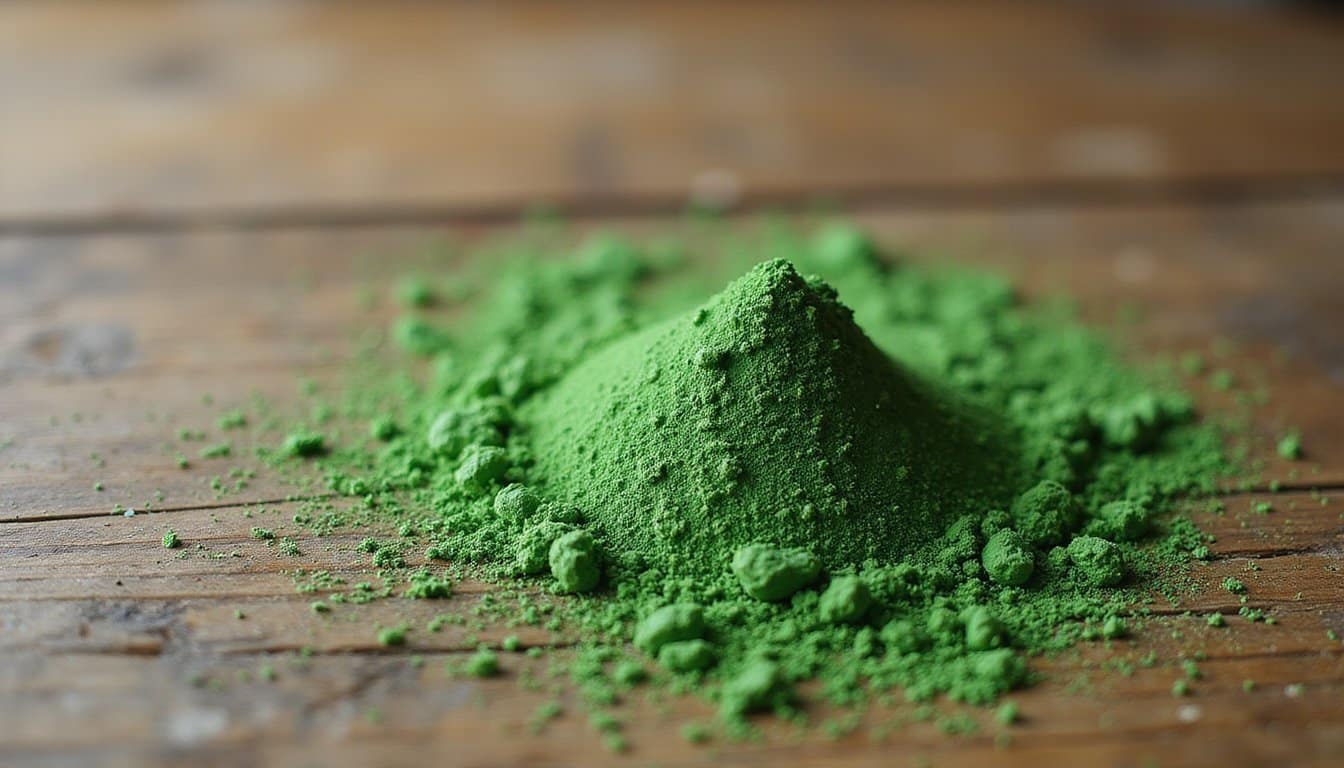
When kratom bypasses quality control, which happens frequently with unregulated products, you’re exposed to contaminants that pose serious health risks through smoking or snorting. InconsistentQualityControl means no standardized testing exists for purity, leaving variable particle sizes and plant fibers that clog nasal passages and lungs.
HeavyMetalsPresence is a documented concern, poor soil conditions and processing introduce metals directly into lung and nasal tissues when inhaled. BacterialInfectionsRisk increases considerably as unsterile powder exposes damaged mucous membranes to pathogens, potentially causing sinus and respiratory infections. Repeated exposure through these routes can lead to nosebleeds, sinus infections, and long-term breathing issues that compound the initial contamination damage.
ChemicalDegradationToxins emerge when smoking heat destroys alkaloids, producing unknown byproducts alongside tar. You’re inhaling degraded compounds that complicate dosage accuracy while increasing toxic intake. Since kratom is mostly sold through online retailers, unknown ingredients can be added to products before they reach consumers, creating additional contamination risks. These contamination pathways create compounding dangers that oral consumption doesn’t present.
Why Inhaling Kratom Accelerates Addiction
The speed at which kratom reaches your brain determines how quickly addiction takes hold. When you smoke or snort kratom, you bypass your body’s natural metabolic defenses, allowing mitragynine to bind directly to opioid receptors without first passing through your liver.
This powder inhalation risk creates unpredictable absorption patterns that intensify psychoactive effects. Your addiction development timeline compressed by inhalation means dependence can establish faster than with oral consumption. Research shows over half of regular users develop severe dependence, and inhalation methods accelerate this process. Withdrawal symptoms can include not only cravings and muscle pain but also hallucinations in severe cases.
Beyond addiction concerns, respiratory irritation compounds your health risks. Mitragynine triggers apoptotic cell death by releasing oxygen free radicals, potentially damaging lung tissue with repeated inhalation. Your brain adapts rapidly to these intense exposures, building tolerance and triggering withdrawal symptoms that mirror opioid dependence, including cravings, muscle aches, and anxiety that often require medical supervision to manage safely. Mixing kratom with prescription opioids or other medications can lead to dangerous CNS depression and serious side effects.
Overdose Warning Signs That Need Immediate Help
Because inhaled kratom enters your bloodstream rapidly, overdose symptoms can escalate before you realize something’s wrong. Early indicators include nausea, vomiting, rapid heartbeat, and confusion. You may experience tremors, dizziness, or extreme drowsiness that progresses quickly.
Inhaled kratom reaches your bloodstream fast, overdose symptoms like nausea, confusion, and rapid heartbeat can escalate before you notice.
Severe warning signs require immediate intervention: seizures, difficulty breathing, unresponsiveness, or hallucinations signal critical toxicity. Respiratory arrest can occur in extreme cases, making prompt medical attention essential.
Beyond overdose risks, smoking causes throat irritation and lung damage, while snorting leads to nosebleeds and sinus damage. These delivery methods bypass your body’s natural defenses, complicating harm reduction efforts. Combining kratom with other substances, such as alcohol or opioids, significantly increases the risk of overdose. The effects of kratom on the body can vary significantly depending on the dosage and individual tolerance. Users often report a range of symptoms from mild stimulation to sedation, highlighting the complexity of its impact. Understanding these effects is crucial, especially for those considering its use alongside other substances, as interactions can lead to unpredictable health outcomes.
If you notice irregular heartbeat, severe confusion, or breathing difficulties, call poison control or emergency services immediately. Professional medical support can prevent progression to coma or death.
Safer Alternatives If You’re Already Using Kratom
If you’re seeking ways to reduce harm while still addressing the needs that led you to kratom, several alternatives offer comparable effects without the respiratory and nasal damage that smoking or snorting causes.
Consider these evidence-based options:
- Kava delivers relaxation and social ease comparable to red vein kratom, with less FDA scrutiny
- CBD supports calm and pain relief through gradual effects, widely legal with third-party testing available
- Blue lotus provides mild euphoria and relaxation for those seeking gentler botanical support
- MIT45 offers AKA-GMP verified kratom products with consistent potency for oral consumption
Each alternative allows controlled dosing through intended routes of administration. You’ll experience more predictable effects while avoiding throat irritation, lung damage, and nasal tissue destruction. Consult a healthcare provider before switching substances.
If you or someone you love is struggling with kratom addiction, you don’t have to face it alone. Florida Addiction Resource LLC is here to help you connect with trusted treatment providers across Florida. Whether you’re exploring kratom detox treatment programs, inpatient care, outpatient services, or recovery support, we’ll guide you to the right resources. Ready to take the next step? Call us at (561) 562-4336 to find the care that’s right for you.
Frequently Asked Questions
Can You Die From Smoking Kratom Just Once?
Yes, you can die from smoking kratom just once, though it’s rare. When you smoke kratom, it enters your bloodstream faster, increasing overdose risk. You’re especially vulnerable if the product contains unknown contaminants or potent compounds like 7-OH. Fatal cases have shown pulmonary edema, respiratory depression, and seizures. If you’ve used other substances, your risk rises considerably, 87% of kratom-related deaths involve polysubstance use.
Does Snorting Kratom Cause Permanent Damage to Your Nose?
Yes, snorting kratom can cause permanent damage to your nose. When you repeatedly snort the coarse powder, you risk septum perforation, chronic deterioration of your mucous membranes, and lasting harm to your nasal lining. Over time, you may develop persistent sinus issues, breathing difficulties, and even lose your sense of smell. The plant fibers create scratches and tears in delicate tissues that don’t always heal properly.
How Long Do Withdrawal Symptoms Last After Stopping Kratom?
Withdrawal symptoms typically begin 6, 12 hours after your last dose and peak around days 1, 3. You’ll likely experience the most intense physical symptoms during the first 3, 7 days, including flu-like sensations, insomnia, and cravings. Most acute symptoms subside within 7, 10 days. However, you may notice lingering psychological effects, such as anxiety, depression, or brain fog, persisting for several weeks as part of post-acute withdrawal syndrome (PAWS).
Is Kratom Legal to Buy in My State?
Kratom’s legal status depends on where you live. It’s banned in Alabama, Arkansas, Indiana, Wisconsin, Vermont, and Washington D.C., with Louisiana’s ban taking effect August 1, 2025. Some states like Georgia, Arizona, Nevada, and Utah regulate it under the Kratom Consumer Protection Act. Most states allow legal purchase without restrictions. You should check your specific state and local laws, as some cities and counties have their own bans.
Will Kratom Show up on a Standard Drug Test?
Kratom won’t show up on standard 5-panel, 7-panel, or 10-panel drug tests. These screens target substances like marijuana, cocaine, amphetamines, and opiates, not kratom’s alkaloids, mitragynine and 7-hydroxymitragynine. However, specialized tests using LC-MS/MS can detect kratom if specifically ordered. You’re more likely to encounter kratom-specific screening in military, probation, or addiction treatment settings. If you’re concerned about testing, discuss your situation with a healthcare provider.