

Alcohol makes you retain water by disrupting vasopressin (ADH), the hormone that tells your kidneys how much water to keep. At first, alcohol suppresses ADH, so you urinate more and lose fluid. But then your ADH rebounds above baseline, signaling your kidneys to hold onto water and sodium. Add gut inflammation and fluid shifts, and you’re left feeling puffy and bloated. Understanding each phase reveals why the bloating hits harder than you’d expect.
Key Takeaways
- Alcohol initially suppresses ADH, reducing water reabsorption and causing increased urination early in a drinking session.
- After the initial diuresis, ADH normalizes or climbs above baseline, signaling kidneys to retain water instead.
- Rising sodium reabsorption attracts water, causing fluid to accumulate outside cells in extracellular spaces.
- Alcohol irritates the gut lining and increases intestinal permeability, triggering inflammation and visible puffiness.
- Heavy or frequent drinking causes sustained isosmotic retention of water and electrolytes, taking days to flush out.
Why does alcohol make you retain water
Alcohol makes you retain water because it disrupts a hormone called antidiuretic hormone (ADH), or vasopressin. When you drink, alcohol suppresses ADH, so your kidneys excrete more free water and you urinate frequently. But this creates dehydration, which triggers a rebound: your ADH levels normalize or climb above baseline. Now elevated, ADH signals your kidneys to switch from flushing fluid to aggressively retaining it. That retained water accumulates in your extracellular spaces, causing bloating and temporary weight gain. Sodium retention compounds the problem, since sodium attracts water and shifts your fluid balance outward from cells. So the puffiness you feel isn’t just about what you drank, it’s your body overcorrecting for the fluid it initially lost.
What is vasopressin (ADH) and what does it normally do
Vasopressin, also called antidiuretic hormone (ADH), is a hormone your posterior pituitary gland releases to control how much water your kidneys keep. When your body senses dehydration or rising blood concentration, it signals your kidneys to reabsorb more water instead of flushing it out. This keeps your fluid balance stable and prevents you from losing too much water through urine.
ADH is your body’s water-saving signal, telling your kidneys to hold onto fluid when you need it most.
Here’s what ADH normally does:
- Signals your kidney tubules to reabsorb water back into your bloodstream
- Reduces urine volume when you’re dehydrated or fluid-deprived
- Helps maintain proper sodium and electrolyte concentration in your blood
- Adjusts its release based on your body’s hydration status
When ADH rises, your kidneys hold onto water. When it drops, you urinate more and excrete excess fluid.
How alcohol first suppresses ADH and causes diuresis
Alcohol suppresses the release of ADH from your posterior pituitary gland. Normally, ADH signals your kidney tubules to reabsorb water back into your bloodstream. But with less ADH circulating, those tubules reabsorb far less water. The result? Your kidneys produce a greater volume of urine, and you find yourself heading to the bathroom more often.
This process is called diuresis, and it explains why you lose so much free water early in a drinking session. You’re excreting fluid faster than you’re replacing it. That’s why stronger beverages, those at 13.5% alcohol or higher, produce a noticeable, if short-lived, diuretic effect.
The problem is what happens next: this fluid loss sets the stage for dehydration and the rebound that follows.
Why a rebound phase then causes the body to hold water
A rebound phase causes the body to hold water because your ADH levels normalize or climb above baseline as you become dehydrated, reversing the earlier suppression. As you keep drinking and lose fluid, your body slips into dehydration, and that’s when the script flips. Now elevated vasopressin signals your kidneys to switch from flushing fluid to aggressively reabsorbing it. Your tubules hold onto water, and sodium reabsorption ramps up alongside it. Because sodium attracts water, fluid accumulates in the spaces outside your cells.
Here’s what drives the rebound:
- Rising ADH tells your kidneys to retain water instead of excreting it
- Increased sodium reabsorption pulls more fluid back in
- Fluid shifting into extracellular spaces causes bloating
- Temporary weight gain as retained water accumulates
That’s why you feel puffy after drinking.
How sodium and inflammation add to the bloating
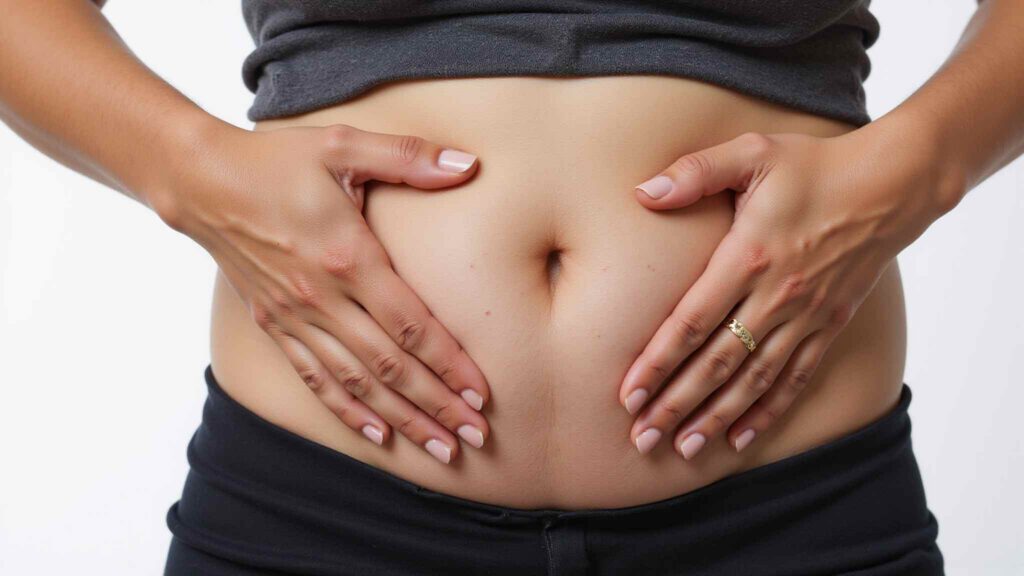
Sodium and inflammation add to the bloating by trapping fluid in your tissues and triggering systemic swelling. When you drink, your kidneys ramp up sodium reabsorption, and since sodium attracts water, fluid pools outside your cells. Meanwhile, alcohol irritates your gut lining and disrupts your microbiome, increasing intestinal permeability. That lets endotoxins slip through, triggering inflammatory cascades that cause systemic swelling. Together, these forces amplify the puffiness you feel.
| Mechanism | What Happens | Result |
|---|---|---|
| Sodium retention | Kidneys reabsorb more sodium | Water follows sodium |
| Electrolyte shift | Sodium levels rise | Body retains fluid to dilute |
| Gut irritation | Lining damaged, permeability rises | Endotoxins enter bloodstream |
| Inflammation | Immune response activates | Systemic swelling |
| Combined effect | Fluid pools in tissues | Visible bloating |
You’ll notice the difference within hours.
Why heavier or more frequent drinking makes it worse
Heavier or more frequent drinking shifts your body from occasional fluid swings into sustained retention. When you drink once, you get a brief diuretic effect followed by rebound water retention. But chronic drinking changes the pattern entirely. After the first week of regular intake, your body starts holding onto water, sodium, potassium, and chloride together, driven by persistently elevated ADH levels.
Here’s what heavy or frequent drinking does differently:
- Keeps ADH levels chronically raised, signaling your kidneys to retain fluid rather than release it
- Promotes isosmotic retention of both water and electrolytes, compounding the buildup
- Sustains gut irritation and inflammation, worsening systemic swelling
- Requires several days after you stop drinking to flush excess water and electrolytes
That’s why cutting back matters.
How Florida Addiction Resource connects people to support
Florida Addiction Resource connects people to support by matching them with treatment options suited to their situation, whether they’re dealing with occasional heavy drinking or a longer-term pattern that’s affecting their health. If cutting back feels harder than it should, that’s a sign worth acting on, and this service helps you take that next step without the guesswork.
The process starts with a straightforward conversation about what you’re experiencing. From there, you’re pointed toward evidence-based care, including medical detox, outpatient programs, or counseling, depending on what fits your needs. If withdrawal symptoms like fluid retention, swelling, or electrolyte shifts concern you, professional support ensures you’re monitored safely as your body recalibrates.
You don’t have to sort through this alone. Reaching out gives you a clear starting point and practical direction forward.
Recurring Alcohol-Related Bloating Could Be a Sign to Seek Help
Temporary water retention after drinking is common, but frequent bloating and swelling may indicate a pattern of alcohol misuse that’s affecting your health. Florida Addiction Resource provides access to alcohol detox, inpatient and outpatient treatment, and ongoing recovery support tailored to your needs. Verify your insurance today or call (561) 562-4336 to speak confidentially with a treatment specialist and begin your recovery journey.
Frequently Asked Questions
How Long Does Alcohol-Induced Water Retention Typically Last After Drinking?
Alcohol-induced water retention typically lasts several days after you stop drinking. Once you quit, your body needs time to flush out the excess water and electrolytes it’s been holding onto. During this period, elevated ADH levels gradually normalize, letting your kidneys shift back to excreting fluid rather than retaining it. You’ll notice bloating and puffiness ease as your fluid balance recovers, though the exact timeline depends on how much you drank.
Can Drinking Water Help Reduce Alcohol-Related Bloating and Swelling?
Yes, drinking water helps reduce alcohol-related bloating and swelling. When you’re dehydrated, your body raises ADH (vasopressin) levels, signaling your kidneys to aggressively retain water and hold onto fluid in your tissues. By staying hydrated, you’ll counter this dehydration-driven rebound, easing the signal to retain water. You’ll also help flush out excess sodium, which attracts and holds fluid. Consistent hydration supports your kidneys in restoring normal fluid balance faster.
Does the Type of Alcoholic Beverage Affect Water Retention Differently?
Yes, the type matters. Sugary mixers and carbonated drinks worsen bloating because sugar’s osmotic effect pulls fluid into your tissues. Stronger beverages (13.5% or higher) actually cause a small, short-lived diuretic effect, so you’ll pee more temporarily. Weaker options like beer won’t hurt your hydration much in moderate amounts. So if you’re worried about swelling, skip the sugary cocktails and you’ll likely notice less puffiness.
Are Certain People More Prone to Alcohol-Induced Fluid Retention?
Yes, you’re more prone if you drink chronically, since your body retains water, sodium, and potassium after the first week. You’ll also react more strongly if you choose sugary, carbonated, or high-sugar mixed drinks, which trigger fluid retention through osmotic effects. If you’re going through alcohol withdrawal, your vasopressin surges, causing water retention and dilutional hyponatremia. Staying euhydrated helps, since stronger drinks’ diuretic effect stays negligible when you’re already well-hydrated.
When Should Water Retention From Alcohol Prompt Medical Attention?
You should seek medical attention when swelling persists for several days after you’ve stopped drinking, since your body typically excretes excess water and electrolytes within that timeframe. Watch for significant foot swelling or edema, which can signal your kidneys are struggling with fluid homeostasis. If you’re experiencing symptoms of dilutional hyponatremia during withdrawal like confusion or nausea from low sodium get help promptly, as elevated vasopressin’s retaining dangerous fluid levels.