

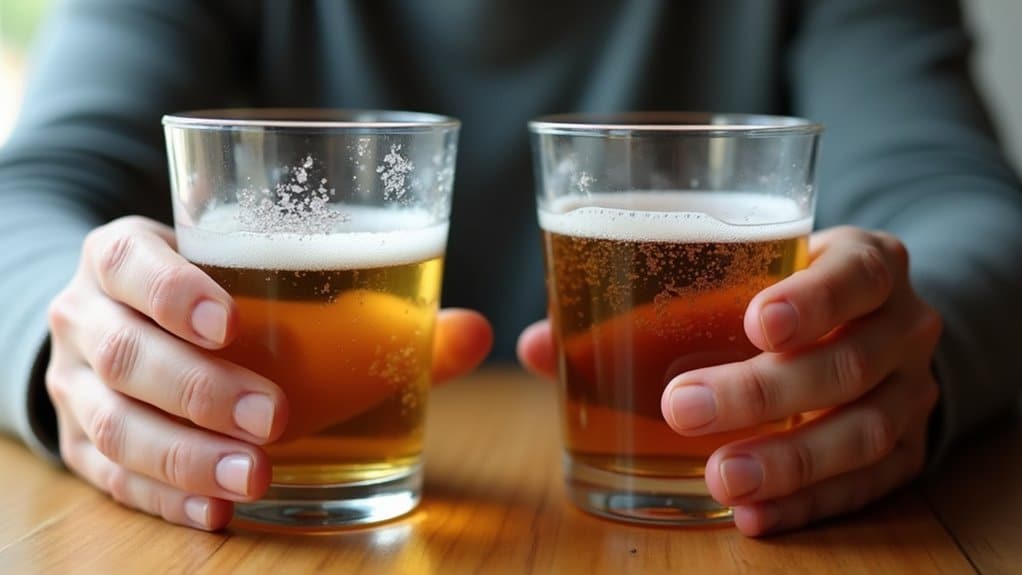

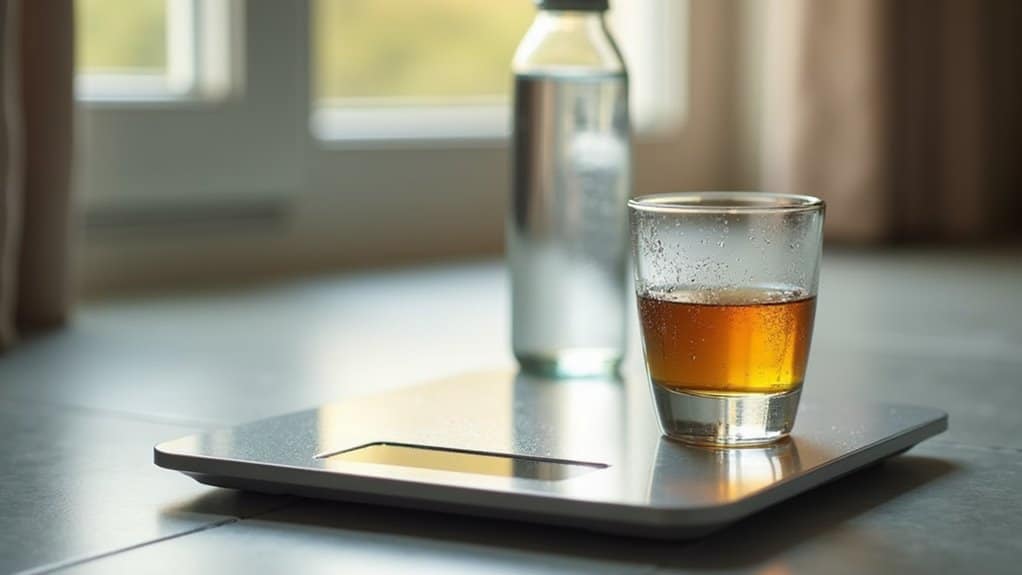
Water retention after drinking usually clears within one to three days. If you’ve had one or two drinks, you’ll typically lose that half-pound to 1.2 pounds within 12 to 24 hours. Heavier nights of five or more drinks can add up to 5.5 pounds and linger 48 to 72 hours. Frequent or heavy drinking stretches recovery to weeks. Hydration and sleep speed things up and a few other factors matter too.
Key Takeaways
- Mild water retention typically subsides within 24 hours and clears completely in one to three days.
- A single night of drinking can add three to five pounds of water weight, peaking the next morning.
- Facial puffiness usually lasts 24 to 48 hours, while abdominal bloating persists one to three days.
- Larger amounts extend retention: five or more drinks can cause bloating lasting 48 to 72 hours.
- Regular or heavy drinkers may need one to four weeks to fully eliminate retained fluid.
How long does water retention after drinking last
Water retention after drinking typically begins to subside within 24 hours, though the timeline depends on how much you consumed. Most people notice significant bloating relief within 24 to 48 hours, with mild retention clearing completely in one to three days. If you’ve engaged in binge drinking, expect recovery to extend three to seven days. Regular drinkers may need one to four weeks to fully eliminate retained fluid.
Your consumption amount directly affects severity. One to two drinks add 0.5 to 1.2 pounds lasting 12 to 24 hours, while five or more drinks can add 2.5 to 5.5 pounds persisting 48 to 72 hours. Your hydration level, sodium intake, sleep quality, and overall health also influence how quickly you recover.
What the typical timeline looks like after a night of drinking
You can expect to gain three to five pounds of water weight after a single night of drinking, most of which shows up by the next morning. You’ll notice facial puffiness within hours of drinking, and it becomes most obvious when you wake up. This facial swelling typically lasts 24 to 48 hours before it fully subsides.
Your abdominal bloating follows a similar pattern. If alcohol irritates your stomach lining, expect bloating for one to three days. After a binge, that bloating can persist up to three days.
Why the bloating often peaks the morning after
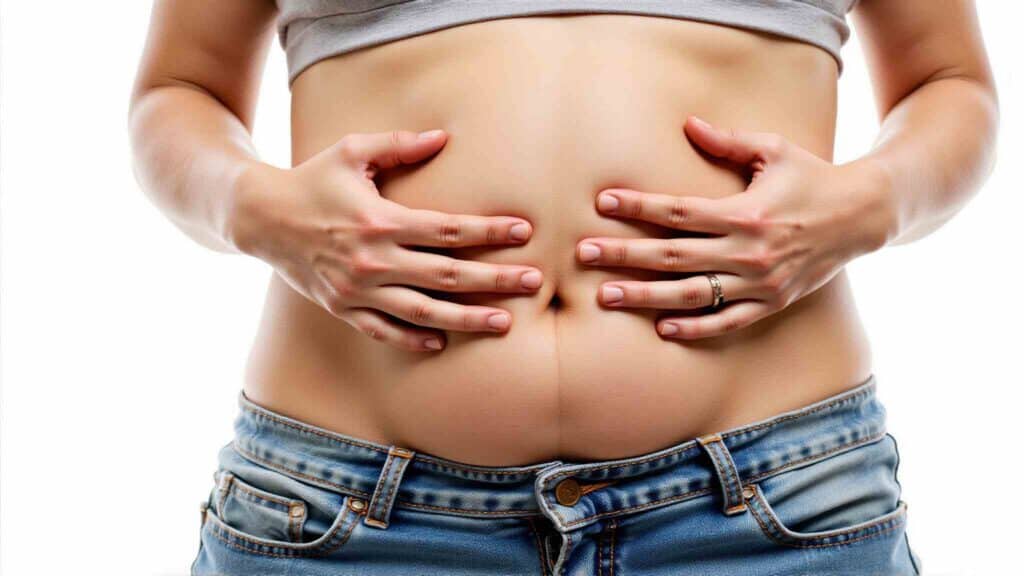
Bloating peaks the morning after because your body retains fluid overnight rather than eliminating it, since you’re not drinking water, moving, or urinating regularly while you sleep. Facial puffiness typically appears within hours of drinking, becoming most noticeable the next morning. This allows retained water to accumulate and settle, particularly in your face and abdomen.
Several factors intensify this morning peak:
- Reduced overnight hydration, which slows your body’s ability to restore fluid balance
- Lack of movement, since sleep limits the physical activity that helps flush excess water
- Accumulated sodium and alcohol effects, compounding fluid retention through the night
How the amount you drank affects how long it lasts
The amount you drink directly determines both how much water weight you gain and how long it sticks around. If you have 1 to 2 standard drinks, you’ll typically gain 0.5 to 1.2 pounds that clears within 12 to 24 hours. Push to 3 to 4 drinks, and you’re looking at 1.8 to 3.0 pounds lasting 24 to 48 hours. Binge drinking magnifies everything considerably.
| Drinks Consumed | Water Weight Gained | Duration |
|---|---|---|
| 1, 2 standard | 0.5, 1.2 lbs | 12, 24 hours |
| 3, 4 drinks | 1.8, 3.0 lbs | 24, 48 hours |
| 5+ (binge) | 2.5, 5.5 lbs | 48, 72 hours |
| Single night | 3, 5 lbs | Varies |
Heavy, long-term drinking extends retention for weeks or even months, so your drinking frequency matters just as much as any single night’s volume.
How hydration and sleep influence recovery time

Hydration and sleep directly shape how fast water retention clears, making them two of the most controllable factors in your recovery. When you stay well-hydrated, you help your body restore fluid balance faster, prompting your kidneys to flush excess water through urine. When you’re dehydrated, your body holds onto more fluid, extending bloating and puffiness.
Stay hydrated and your kidneys flush excess water faster; stay dehydrated and your body clings to bloat.
Sleep matters just as much. Poor or insufficient sleep slows recovery, keeping retention around longer.
- Drink adequate water throughout the day to accelerate fluid balance and support kidney function.
- Prioritize consistent, quality sleep, since sleep deprivation can prolong water retention.
- Limit sodium intake, because a high-sodium diet works against your hydration efforts.
Combine these habits, and you’ll clear retention noticeably faster.
Why it can last longer for frequent or heavy drinkers
Frequent or heavy drinking lasts longer because your body doesn’t get enough time to restore fluid balance between episodes. Good hydration and sleep speed recovery for occasional drinkers, but they can’t fully offset the toll of frequent or heavy drinking. Light water retention usually clears within one to three days after you stop, but binge drinking can extend that recovery to three to seven days. If you drink regularly, you might need one to four weeks to fully eliminate retained water, and heavy long-term drinking can prolong it for weeks or even months. Your drinking frequency and overall health largely determine how quickly you recover. To shorten this timeline, you’ll need to reduce your alcohol intake, stay well-hydrated, and address any underlying health conditions that compound fluid retention.
How Florida Addiction Resource helps people reassess their drinking
Florida Addiction Resource helps people reassess their drinking by connecting physical symptoms to underlying habits so they can make informed decisions. If you’ve noticed that water retention keeps returning faster than it clears, that pattern often signals something worth examining more closely. Frequent bloating that lingers for weeks can point to regular or heavy drinking, not just an occasional night out.
When water retention keeps coming back faster than it clears, your body may be signaling something worth examining.
You’ll get support that focuses on clarity rather than judgment, including:
- A confidential assessment of your drinking frequency and its physical effects
- Personalized guidance on whether your symptoms suggest a deeper concern
- Connections to treatment options matched to your needs and goals
Recognizing the link between recurring water retention and your drinking is the first step toward lasting change.
Concerned About Alcohol’s Effects on Your Health? We’re Here to Help
If water retention, bloating, or other alcohol-related symptoms keep coming back, it may be time to take a closer look at your drinking habits. Florida Addiction Resource connects individuals with compassionate, evidence-based care, including medically supervised alcohol detox, personalized treatment programs, and ongoing recovery support. Verify your insurance coverage, speak with an addiction specialist, and explore your treatment options today. Call us at (561) 562-4336 to take the first step toward lasting recovery.
Frequently Asked Questions
Can Certain Medications Worsen Alcohol-Related Water Retention?
Yes, certain medications can worsen your alcohol-related water retention. While the provided data doesn’t detail specific drugs, it confirms that factors like high-sodium intake, poor sleep, and your overall health status prolong recovery. Since medications can affect hydration balance and kidney function, they may extend how long you’ll retain fluid. You’ll recover faster by stopping drinking, staying well-hydrated, and addressing underlying conditions. Consult your doctor about any medications you’re taking.
Does the Type of Alcohol Affect Water Retention Differently?
Yes, the type of alcohol can affect your water retention, though the amount you drink matters more. If you’re consuming beverages higher in sodium or mixed with carbonated, sugary sodas, you’ll likely notice more bloating and fluid buildup. Beer, given its volume, often adds noticeable water weight. Regardless of type, your total intake drives retention 1, 2 drinks add 0.5, 1.2 pounds, while 5+ can add 2.5, 5.5 pounds lasting up to 72 hours.
Are Women More Prone to Water Retention Than Men?
Yes, you’re generally more prone to water retention if you’re a woman, largely due to hormonal fluctuations. Your estrogen and progesterone levels shift throughout your menstrual cycle, and these changes can increase fluid retention. You’ll often notice more bloating before your period. Keep in mind that your individual hydration status, sodium intake, activity level, and overall health also play significant roles in how much water you’ll retain.
When Should Water Retention Prompt a Doctor’s Visit?
You should see a doctor when water retention lasts beyond the typical recovery window especially if mild swelling doesn’t resolve within 1 to 3 days after you stop drinking. Seek care if you’re a regular drinker whose bloating persists for weeks, or if you notice persistent facial or abdominal swelling. Underlying conditions like kidney disease or heart failure can cause retention, so don’t ignore symptoms that won’t improve with hydration and reduced sodium.
Can Exercise During Drinking Days Reduce Water Retention?
Yes, exercise can help reduce water retention on drinking days. When you’re active, you promote sweating and support your body’s natural fluid balance, which helps flush out excess water. Regular movement encourages your system to release retained fluid more efficiently. You’ll also benefit from staying well-hydrated, since drinking enough water accelerates recovery. Keep in mind that stopping alcohol remains the primary factor, but exercise offers a helpful supporting role.