






Kratom produces dose-dependent effects, low doses (1-5g) act as stimulants, while higher doses (5-15g) cause sedation and pain relief. You might use it for chronic pain, anxiety, or managing opioid withdrawal, and research shows 93% of users report pain relief. However, you’re facing real risks: nausea, seizures, liver damage, and potential addiction affect 10-15% of users. The FDA hasn’t approved kratom and warns against its use due to contamination and safety concerns you’ll want to understand fully.
How Kratom Affects Your Body at Different Doses

Because kratom contains compounds that interact with opioid receptors in the brain, the effects you experience depend heavily on how much you take. At low doses (1-5g), kratom effects tend to be stimulating, you’ll likely notice increased alertness, heightened energy, and enhanced sociability. These effects typically begin within 5-15 minutes and last 2-5 hours.
What does kratom make you feel like at higher doses? When you take 5-15g, the experience shifts dramatically toward sedation. Kratom high effects at this level include euphoria, drowsiness, decreased pain sensation, and potential confusion. Exceeding 15g significantly increases your risk of extreme sedation. At these dangerous doses, the effects may mimic an opioid toxidrome, and naloxone should be administered for respiratory depression and severe drowsiness. One compound in kratom, 7-hydroxymitragynine, is 13 times more potent than morphine, which helps explain these powerful opioid-like effects. Common side effects across all doses include nausea, constipation, dry mouth, and dizziness, occurring more frequently as dosage increases. Long-term kratom use can lead to additional health concerns, including anorexia and weight loss, insomnia, and skin darkening.
Does Kratom Work for Pain, Anxiety, and Opioid Withdrawal?
While many people turn to kratom hoping it will ease chronic pain, calm anxiety, or help them through opioid withdrawal, the scientific evidence supporting these uses remains limited and mixed.
Kratom shows promise for pain and withdrawal, but the science backing these popular uses remains incomplete.
When exploring what is kratom’s actual effectiveness, research shows promising but preliminary findings:
- Nearly half of kratom users meet criteria for chronic pain, with 93% reporting relief over time
- One controlled trial found kratom for pain relief doubled pain tolerance within one hour
- Users commonly report kratom for opioid withdrawal helps manage symptoms when treatment access is limited
- Higher doses may produce calming effects, though no clinical trials exist for anxiety
You should know these findings rely heavily on self-reported data and small studies. Cross-sectional research can’t establish causality, and rigorous randomized controlled trials remain urgently needed. Animal studies have suggested that mitragynine and 7-hydroxymitragynine, two active compounds in kratom leaves, may possess analgesic properties. Notably, the majority of chronic pain participants reported difficulty obtaining adequate treatment for their pain, which may influence their decision to use kratom. Research also found that those with chronic pain showed a stronger link between subjective kratom effects and actual pain reduction compared to those without chronic pain.
Kratom Side Effects: Nausea, Seizures, and Organ Damage

Even though kratom may offer perceived benefits for some users, its side effects range from mild discomfort to serious medical emergencies. You’ll most commonly experience nausea, vomiting, and constipation. However, more serious complications include seizures, confusion, and hallucinations.
| System Affected | Potential Side Effects |
|---|---|
| Gastrointestinal | Nausea, vomiting, constipation |
| Neurological | Seizures, tremors, cognitive impairment |
| Cardiovascular | Rapid heart rate, high blood pressure |
| Hepatic | Liver toxicity, amplified enzymes |
Liver toxicity deserves particular attention. Chronic, high-dose use can cause intrahepatic cholestasis, though liver function typically normalizes after you stop using kratom. The FDA specifically warns about hepatic risks. You should also know that cardiovascular effects like tachycardia occur in approximately 25% of cases at doses exceeding 8 grams. A small number of deaths have been linked to kratom, often involving other drugs or contaminants.
Withdrawal symptoms present another significant concern for regular users, which can include decreased appetite, diarrhea, agitation, insomnia, and changes in heart rate and blood pressure.
Is Kratom Addictive? Dependence and Withdrawal Risks
Although kratom’s addictive potential remains lower than traditional opioids, regular use can still lead to physical dependence and withdrawal symptoms. Research shows 10%-12% of kratom users report definite withdrawal symptoms, while 12%-15% meet criteria for kratom use disorder. You may develop tolerance over time, requiring larger amounts to achieve the same effects. However, less than 3% of users meet criteria for moderate or severe kratom use disorder, indicating that most cases of dependence remain relatively mild.
Common withdrawal symptoms include:
- Intense cravings for kratom
- Insomnia and sleep disturbances
- Irritability and mood changes
- Physical discomfort similar to mild flu symptoms
While withdrawal is generally milder and more self-manageable than opioid withdrawal, dependence can still disrupt your daily life. Notably, 31% of kratom users have at least one co-occurring substance use disorder, which may complicate recovery efforts. CDC data shows that approximately 80% of kratom-positive overdose decedents had a history of substance misuse, highlighting the risks associated with polysubstance use. If you’re using kratom regularly, monitor your consumption patterns and recognize early signs of dependence before they escalate.
Why the FDA Warns Against Using Kratom
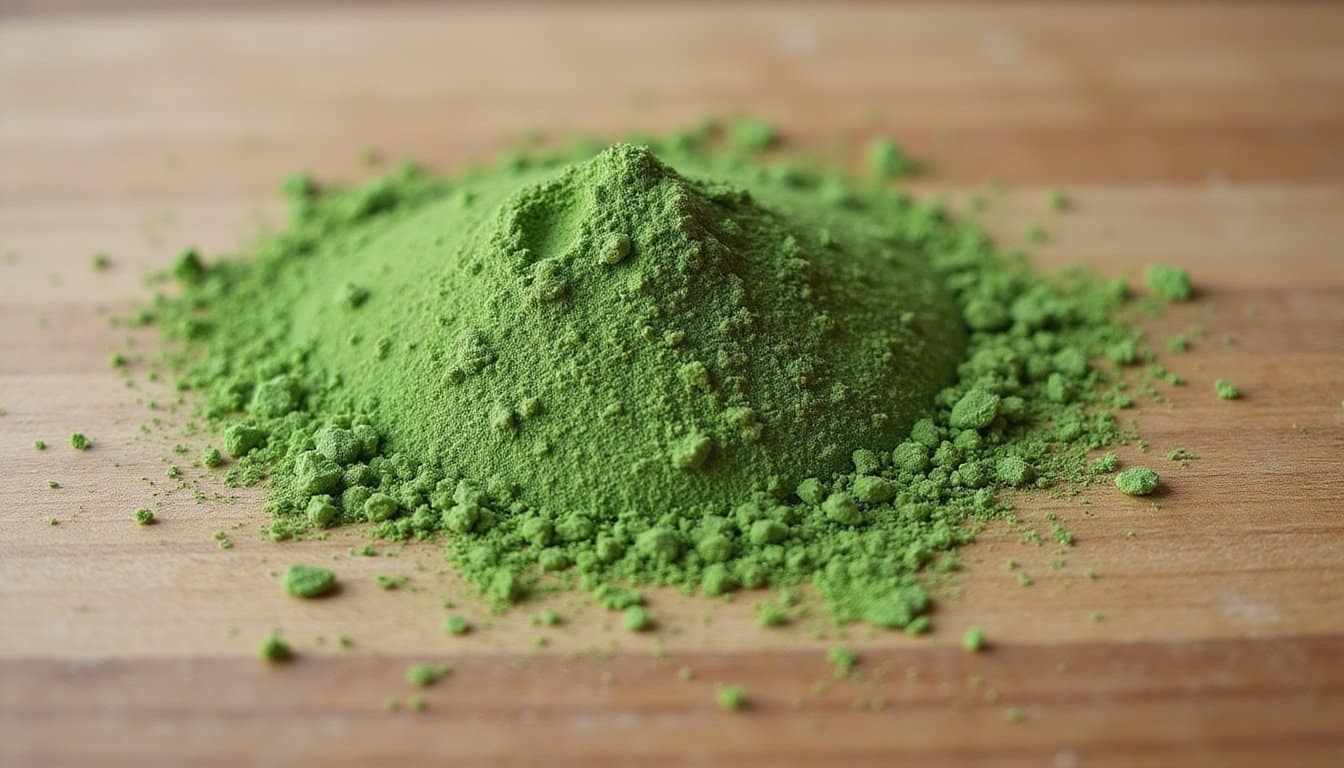
The FDA has not approved kratom for any medical use and warns against consuming it due to serious safety concerns. When asking is kratom safe, the evidence points to significant risks including toxicity, seizures, liver damage, and substance use disorder. The DEA lists kratom as a drug of concern, and poison control centers received over 3,400 reports between 2014-2019, including deaths. Researchers have also linked kratom use to psychotic symptoms as well as psychological and physiological dependence. The FDA has not approved kratom for any medical use and continues to warn consumers about serious safety concerns associated with its use. When evaluating questions such as is kratom safe to use daily, federal health authorities emphasize that available evidence points to meaningful risks, particularly with frequent or long-term consumption. Reports have linked kratom exposure to toxicity, seizures, liver injury, and substance use disorder. The DEA classifies kratom as a drug of concern, and U.S. poison control centers received more than 3,400 exposure reports between 2014 and 2019, including cases involving fatalities. Researchers have also associated kratom use with psychotic symptoms and the development of both psychological and physiological dependence, reinforcing the need for caution and medical guidance.
| FDA Concern | Evidence |
|---|---|
| Product contamination | Salmonella, heavy metals, harmful bacteria linked to 35+ deaths |
| Serious adverse events | Seizures, respiratory depression, cardiac problems |
The dangers of kratom extend beyond the plant itself, contaminated products create additional hazards. Is kratom dangerous? Current data suggests the risks are substantial and largely unregulated. The FDA recently issued a safety alert specifically warning consumers not to consume OPMS Black Liquid Kratom, which has been linked to serious adverse health effects, including death. The FDA has also warned consumers to avoid products containing 7-OH, a potent kratom compound that could result in serious harm including addiction and withdrawal symptoms.
Breaking free from kratom dependency isn’t something you should face in isolation and if someone you love is struggling, neither should they. Florida Addiction Resource LLC connects you to trusted treatment providers all over Florida. Need kratom detox programs? Wondering about inpatient facilities, outpatient pathways, or sustained recovery resources? We’ll guide you toward solutions that truly resonate. When you’re ready to write a new chapter, call (561) 562-4336 because transformation starts with one conversation.
Frequently Asked Questions
Can Kratom Be Safely Combined With Alcohol or Prescription Medications?
You shouldn’t combine kratom with alcohol or prescription medications. Mixing kratom with alcohol intensifies sedation, impairs breathing, and substantially increases overdose risk, most kratom-related deaths involve other substances like alcohol. Kratom’s opioid-like effects become dangerous when paired with CNS depressants, benzodiazepines, or pain medications. Because kratom alkaloids can stay in your system up to 24 hours and product potency varies unpredictably, there’s no established safe window for combining these substances.
How Long Does Kratom Stay in Your System After Taking It?
Kratom typically stays in your system for 5-7 days, though heavy use can extend detection to 9 days. Blood tests detect it for 1-3 days, while saliva tests show presence for 24-36 hours. Hair tests can identify kratom for up to 90 days. Your metabolism, age, body weight, liver function, and hydration levels all influence how quickly your body eliminates kratom’s active alkaloids.
Is Kratom Legal in My State or Country?
Kratom’s legal status depends on where you live. It’s federally legal in the U.S. but banned in Alabama, Arkansas, Indiana, Wisconsin, and Louisiana (as of August 2025). Some states like Georgia, Arizona, and Utah have consumer protection laws regulating sales. Local bans exist in certain cities, including San Diego and Denver. You should check your specific state and local laws before purchasing, as regulations continue evolving.
What Should I Do if Someone Overdoses on Kratom?
Call 911 immediately if you suspect a kratom overdose. Watch for warning signs like rapid heartbeat, seizures, confusion, vomiting, or difficulty breathing. While you wait for help, keep the person calm and monitor their essential functions. Don’t induce vomiting unless instructed by medical professionals. There’s no specific antidote, so emergency teams will focus on managing symptoms. Quick action is critical, hesitation can allow the situation to worsen rapidly.
Are Certain Kratom Strains or Colors Safer Than Others?
No strain is proven inherently safer than another. Effects vary based on color, origin, and processing methods. Red strains carry higher dependence risk due to their sedating properties. Green strains may pose lower dependence risk and offer more versatility. White strains can cause overstimulation in sensitive individuals. Alkaloid profiles differ markedly between products, so you can’t reliably predict safety by color alone. Lab-tested products provide more consistency than unverified sources.