






How THC Takes Over Your Body’s Metabolism Controls
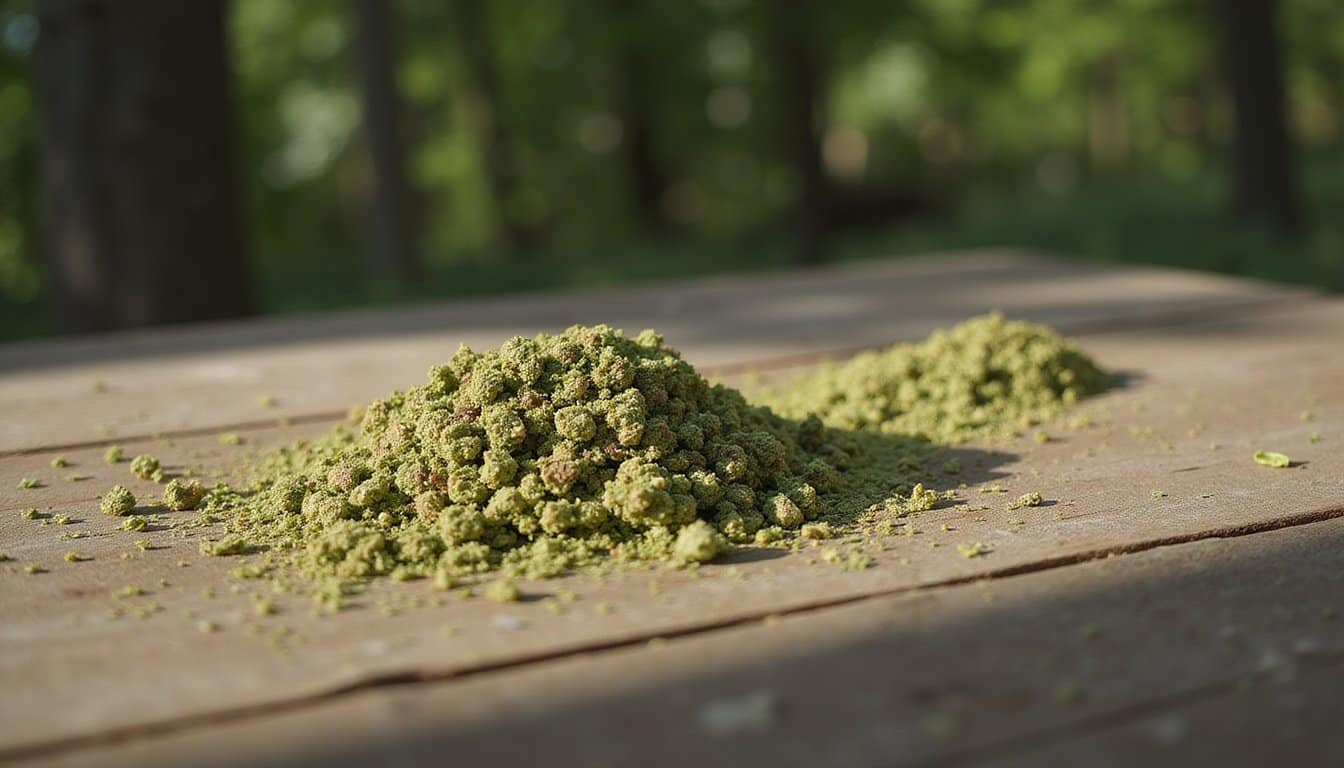
When THC enters your bloodstream, it hijacks the same receptor system your body uses to regulate hunger, fat storage, and energy expenditure. Tetrahydrocannabinol from cannabis sativa mimics your natural endocannabinoids, binding directly to CB1 receptor sites in your brain, liver, and fat tissue. This takeover disrupts the precise hormonal signals that control how you store and burn calories.
Your endocannabinoid system normally maintains metabolic balance through CB1 receptor and CB2 receptor activation. THC overrides these controls, triggering molecular cascades that alter thermogenesis, lipid processing, and nutrient mobilization. Unlike cannabidiol, THC’s psychoactive properties stem from its aggressive receptor binding. Research shows this interference affects energy balance regulation, fat cell function, and insulin sensitivity, permanently altering adipose tissue when exposure occurs during critical developmental windows. University of California, Irvine researchers found that these alterations cause fat cells to produce muscle proteins that are normally never found in adipose tissue.
Why Weed Users Stay Lean Despite the Munchies
Your body’s metabolic rate actually increases with regular cannabis use because chronic CB1 receptor activation shifts your adipose tissue away from energy storage and toward fat oxidation. THC exposure transforms your fat cells at a cellular level, reducing AMP-activated protein kinase activity in visceral adipocytes and altering the tissue to express proteins typically found in muscle and heart. You’ll also notice that despite higher adipose insulin resistance, your hepatic and peripheral glucose disposal remain intact, which explains why chronic users maintain lower BMI without developing the glucose intolerance you’d expect from increased caloric intake. Research shows that cannabis smokers actually have lower subcutaneous abdominal fat but a higher percentage of visceral fat compared to non-users.
Metabolic Rate Increases
Despite the well-documented “munchies” effect that drives cannabis users to consume roughly 20% more calories daily than nonusers, research consistently shows these same individuals maintain lower BMIs and obesity rates, a paradox rooted in THC’s direct effects on metabolic hormones and energy expenditure.
When you smoke marijuana, your basal metabolic rate spikes within 15 minutes. Your resting metabolic rate increases as ventilation jumps from 7.4 to 10.4 liters per minute. THC activates your sympathetic nervous system, driving these changes through beta-adrenergic pathways. Studies confirm that pretreatment with propranolol completely abolished the increase in hypercapnic ventilatory response, proving the beta-sympathetic system mediates these metabolic effects.
Research indicates chronic users show enhanced mitochondria oxygen utilization in brain tissue. While THC creates adipose-specific insulin resistance, it simultaneously boosts thermogenesis and fat oxidation. This tissue-selective response may explain why users demonstrate lower rates of metabolic syndrome and type 2 diabetes mellitus despite increased caloric intake.
Adipose Tissue Transforms
Although THC triggers appetite surges that boost caloric intake by 300 to 600 kilocalories per session, the compound simultaneously reshapes how your fat tissue functions at the molecular level. Research shows oral cannabis greatly increases Cidea and UCP1 gene expression in peritoneal fat, promoting fat beiging, the conversion of white adipose tissue into metabolically active brown adipose tissue.
This transformation enhances thermogenesis and energy expenditure, explaining why regular users maintain lower total body fat despite increased food consumption. Adolescent THC exposure elevates thermogenic activity in adipose tissue while altering lipid metabolism pathways. Your fat cells fundamentally shift from storage mode toward fuel utilization. Studies confirm adolescent low-dose THC produces adult phenotypes with reduced fat mass and increased lean mass, as your adipose tissue prioritizes burning calories over storing them.
Insulin Sensitivity Improves
A 16% reduction in fasting insulin levels among current marijuana users points to meaningful hormonal shifts that help explain the lean body composition paradox. You’re seeing a 17% lower HOMA-IR alongside smaller waist circumference, suggesting cannabis directly influences insulin sensitivity pathways.
Your body’s glucose metabolism responds differently based on usage patterns. Regular cannabis users demonstrate greater insulin secretion via the insulinogenic index, with cannabis use explaining 20.3% of this variance. However, the Matsuda Index shows no significant effects in type 2 diabetes patients, indicating population-specific responses.
The research reveals contradictions you should understand. While epidemiologic data suggest metabolic benefits through reduced insulin resistance, some studies indicate cannabis may quadruple diabetes risk. CB1 receptor stimulation appears to drive these complex hormonal interactions, potentially enhancing peripheral glucose disposal while simultaneously affecting pancreatic function.
Does Cannabis Actually Raise Your Body Temperature?
How exactly does THC influence your body’s internal thermostat? Your hypothalamus contains cannabinoid receptors that directly regulate thermoregulation through the endocannabinoid system. When THC binds to CB1 receptors, it triggers dose-dependence effects on your core temperature.
At low doses, you’ll typically experience mild temperature decreases. High doses produce more pronounced hypothermia, peaking around 60 minutes post-consumption. THC achieves this cooling effect partly through nitric oxide interaction, which can double the hypothermic response when NO inhibitors are present.
Your metabolism slows as THC reduces heat production and oxygen consumption in brain tissue. However, individual variation plays a significant role, your physiology, tolerance, body weight, and environmental conditions all influence outcomes. Hot, humid settings may amplify warming sensations from vasodilation, while cool environments minimize noticeable changes.
What Weed Does to Your Fat Cells
When THC enters your bloodstream, it doesn’t just pass through your fat cells, it fundamentally alters their protein production and cellular identity. Your white adipocytes begin expressing genes like Cidea and UCP1, markers typically associated with metabolically active brown fat, triggering a process called “beigeing” that shifts these cells away from energy storage. This adipose tissue disruption occurs through direct CB1 receptor activation, and the effects vary depending on where the fat deposits are located in your body.
THC Transforms Fat Cells
Because THC dissolves readily in lipids, your fat cells act as long-term storage depots for this cannabinoid. When you experience stress or fasting, ACTH-driven lipolysis releases stored THC back into circulation. Research shows THC and ghrelin levels interact to drive thc appetite stimulation, affecting cannabis and weight gain patterns.
Your adipocytes respond uniquely to cannabinoids. CB1R activation increases cannabis and adipogenesis while reducing cannabis and fat oxidation. However, THC’s partial agonist properties may limit full receptor activation, influencing cannabis and obesity risk differently than expected.
| Effect | Metabolic Outcome |
|---|---|
| CB1R Stimulation | Increased lipogenesis, reduced lipolysis |
| THC + CBD Exposure | Enhanced UCP1 expression, fat browning |
Studies demonstrate cannabis and weight loss associations through upregulated thermogenic genes like Cidea and PRDM16 in white adipose tissue.
Adipose Tissue Disruption
Although THC’s effects on appetite grab most headlines, the compound’s deeper impact on your adipose tissue reshapes how fat accumulates across specific body compartments. CB1R stimulation drives visceral adiposity, explaining why regular users show a greater percentage of visceral fat despite lower total body fat. This receptor activation also promotes adipose tissue insulin resistance and accelerates ectopic fat deposition in your liver and muscles.
Your body’s response isn’t uniform across fat depots. During lipolysis, stored THC is released back into circulation, potentially prolonging metabolic disruption. However, research reveals paradoxical effects: low-dose cannabis triggers peritoneal fat beigeing through increased UCP1 expression, while intramuscular fat mitochondria show enhanced activity without beigeing. These depot-specific responses suggest THC doesn’t simply expand fat stores, it fundamentally alters where and how your body processes lipids.
How Cannabis Affects Insulin and Blood Sugar
Several cannabinoid compounds directly influence the hormonal pathways that regulate blood glucose and insulin secretion. Research shows THCV and CBD decrease blood glucose levels while boosting insulin production in type 2 diabetes models. Your endocannabinoid system plays a central role in these metabolic processes.
Current data links marijuana use to 16% lower fasting insulin levels and 17% reduced insulin resistance markers. However, you’ll find contradictory outcomes across studies. Heavy use can impair glucose tolerance and trigger hyperglycemia, while some users experience immediate blood sugar fluctuations after inhalation. Research also indicates potential effects of lowering blood pressure in individuals who consume cannabis regularly, suggesting a complex relationship between cannabinoids and cardiovascular health. This interplay may further complicate the understanding of metabolic responses, as blood pressure management could differ significantly among users. As more studies emerge, clarifying these associations will be essential for drawing concrete conclusions about long-term health implications.
The increased appetite cannabis induces often drives cravings for sweet and fatty foods, potentially destabilizing your glycemic control. Additionally, cannabis’s brain effects may mask hypoglycemia symptoms, creating dangerous confusion between drug effects and low blood sugar warnings in diabetes management. Furthermore, users may experience various side effects that can complicate their condition, leading to additional questions about overall health. For example, many individuals report wondering if can weed cause numbness in fingers, raising concerns about nerve health and circulation. These sensations might be linked to how cannabis interacts with the nervous system, underscoring the need for careful monitoring.
Can Weed Help Manage Type 2 Diabetes?

The hormonal interactions between cannabis and insulin regulation raise a pressing question: can weed actually help manage type 2 diabetes? Research presents conflicting evidence. Some meta-analyses show cannabis users have 0.48 times lower odds of developing type 2 diabetes, while other large-scale studies reveal nearly four times higher risk. Understanding the effects of weed on the body is crucial for determining its potential benefits and risks. For instance, how cannabis might influence appetite and metabolism could further complicate its role in diabetes management. Moreover, the interaction of cannabinoids with various physiological systems may lead to diverse outcomes in different individuals.
Cannabis impacts glucose metabolism through CB1 receptor activation, which alters insulin sensitivity and affects lipid metabolism. CBD may offer distinct effects on appetite regulation and energy homeostasis compared to THC. However, these mechanisms can work both ways, CB1 activation potentially triggers insulin resistance and beta-cell dysfunction through low-grade inflammation.
Current evidence influences body weight outcomes unpredictably. Cross-sectional studies suggesting protection may reflect reverse causation rather than genuine benefit. You shouldn’t rely on cannabis for diabetes management until prospective trials establish clearer hormonal pathways.
CBD vs THC: Which Impacts Metabolism More?
How differently do CBD and THC alter your metabolic pathways at the molecular level? Your liver processes THC faster, generating 21 phase I metabolites compared to CBD’s slower conversion rate. THC’s planar structure allows CYP2C9 enzymes to rapidly produce 11-OH-THC, affecting ghrelin and dopamine signaling in ways that influence your body mass index.
Your liver metabolizes THC faster than CBD, producing 21 distinct metabolites that influence hunger hormones and dopamine signaling.
Key metabolic distinctions:
- THC reduces lysine by 59% and depletes isoleucine, leucine, and glutamine in activated cells
- CBD elevates urea cycle metabolites like citrulline while potentially modulating cortisol pathways
- CBD inhibits CYP2C9 and CYP3A4, raising THC plasma concentrations when co-administered
Your pancreas responds differently to each compound. Research shows CBD suppresses IgG production more potently (80% versus 56%), while THC more selectively impacts leptin-related amino acid metabolism.
Why Weed Hits Some People Harder Than Others
Your genetic blueprint plays a decisive role in how THC affects your metabolism, with roughly 25% of people carrying gene variants that slow THC breakdown and intensify its duration. Variations in CYP2C9 and CYP3A4 enzymes directly influence marijuana metabolism effects, determining whether you experience mild relaxation or prolonged cognitive impairment.
Slow metabolizers face elevated cannabis use disorder risk and report stronger negative effects, including drowsiness and difficulty concentrating. Sex differences compound these variations, females with slow metabolism show higher disorder susceptibility, while males experience more pronounced early adverse reactions.
Your endocannabinoid regulation of metabolism intersects with lipid pathways affecting triglycerides, high-density lipoprotein, and low-density lipoprotein levels. Chronic users display altered AMP-activated protein kinase signaling and modified parathyroid hormone responses. These metabolic fingerprints explain why identical doses produce vastly different physiological outcomes across individuals.
How Long Does THC Metabolism Take in Your Body
Once THC enters your bloodstream, it kicks off a precisely timed metabolic cascade governed by hepatic cytochrome P450 enzymes, primarily CYP2C9, CYP2C19, and CYP3A4. Your liver converts THC into the psychoactive metabolite 11-OH-THC, then further oxidizes it into inactive THC-COOH. The pharmacokinetics vary based on your usage patterns.
Key half-life and clearance metrics:
- Infrequent users: 1.3-day half-life with clearance rates around 36 L/hour
- Regular users: 5-13 day half-life with clearance increasing to 60 L/hour
- Sex differences: Women show 11.8±3 L/hour clearance versus men’s 14.9±3.7 L/hour
Your body excretes 80-90% of metabolites within five days, 65-80% through feces and 20-35% via urine. Terminal half-life extends to 22-36 hours, influencing how long metabolism impacts your endocrine system.
Ready to Break Free From Cannabis Dependency?
If cannabis use has started to feel less like a choice and more like a necessity, that shift is worth paying attention to. Florida Addiction Resource connects you with trusted, licensed cannabis detox and addiction treatment programs across Florida, free of charge and available 24/7. You don’t have to navigate this alone. Call +1 (561) 562-4336 today and let us help you find the right support.
Frequently Asked Questions
Does Smoking Weed Affect Metabolism Differently Than Eating Edibles?
Yes, smoking and edibles affect your metabolism differently. When you smoke, THC enters your bloodstream directly through your lungs, bypassing liver processing. When you eat edibles, your liver converts THC into 11-hydroxy-THC, a more potent metabolite that crosses the blood-brain barrier more efficiently. This hepatic conversion influences how cannabinoids interact with CB1 receptors, regulating ghrelin secretion and insulin sensitivity. Edibles also store longer in adipose tissue, prolonging metabolic effects.
Can Cannabis Use Interfere With My Prescription Medications’ Effectiveness?
Yes, cannabis can considerably interfere with your prescription medications. THC interacts with nearly 400 drugs, while CBD affects over 540, both competing for the same CYP450 enzymes your liver uses to metabolize medications. You’ll face the greatest risk with narrow therapeutic index drugs like warfarin, where documented cases show INR values becoming dangerously elevated. Immunosuppressants like tacrolimus can double or triple in concentration, causing toxicity. Discuss your cannabis use openly with your prescriber.
Is It Safe to Exercise While High on Cannabis?
Exercising while high carries measurable risks you shouldn’t ignore. THC elevates your resting heart rate and increases myocardial oxygen demand, straining your cardiovascular system during activity. You’ll likely perceive effort as harder, experience reduced coordination, and see slower reaction times, critical factors in precision or high-intensity workouts. Research shows submaximal work output decreases, and your pace slows considerably. If you have underlying heart conditions, you’re facing amplified risks. Consult your healthcare provider before combining cannabis with exercise.
How Does Cannabis Interact With Alcohol to Affect My Metabolism?
When you combine cannabis with alcohol, you’re disrupting multiple metabolic pathways simultaneously. Alcohol increases your plasma THC levels while THC slows your liver’s alcohol processing through CYP2C9 and CYP3A4 enzyme inhibition. This dual interference impairs glucose regulation, elevates lipogenic gene expression, and increases fatty liver disease risk. Research shows co-use amplifies insulin sensitivity fluctuations and prolongs intoxication. High-CBD strains may reduce some harms, but you’re still stressing your hepatic metabolism considerably.
Will Quitting Cannabis Change My Body Weight or Metabolic Rate?
Research suggests quitting cannabis won’t markedly increase your body weight, unlike tobacco cessation patterns. Studies show your BMI likely won’t rebound after stopping use. While you might expect metabolic changes due to CB1 receptor normalization, observational data indicate former users maintain diminished BMI gains similar to current users. However, residual confounding factors, not direct causality, likely explain these findings. Your metabolic rate may stabilize, but individual hormonal responses vary based on usage duration and body composition.