






Yes, weed can cause numbness in your hands. THC binds to CB1 and CB2 receptors, altering nerve signal transmission while modulating calcium and sodium channels to slow conduction. Simultaneously, THC triggers vasoconstriction in peripheral blood vessels, reducing oxygen-rich blood flow to your extremities. Up to 15-20% of users report tingling or numbness during acute intoxication, typically resolving within 2-4 hours. Understanding the specific mechanisms and warning signs helps you determine when this symptom requires medical attention. Quitting weed can lead to a variety of physiological effects of quitting weed, as the body begins to adjust to the absence of THC. Users may experience withdrawal symptoms such as irritability, changes in appetite, and sleep disturbances, which are common as the brain’s chemistry shifts. Monitoring these changes can provide insight into one’s overall health and the body’s ability to adapt following cessation.
Can Weed Actually Cause Numbness in Your Hands?
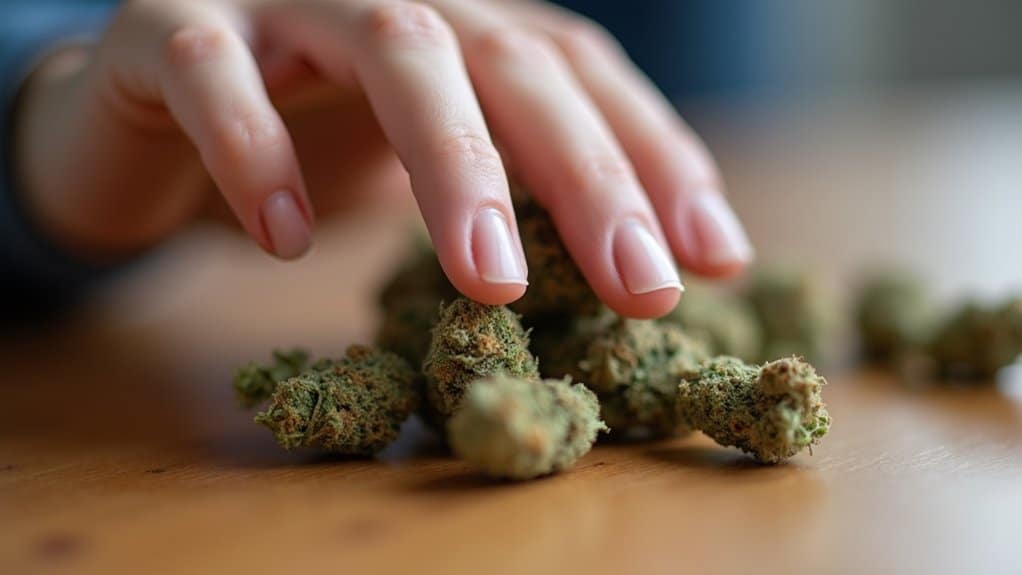
While cannabis doesn’t directly damage peripheral nerves, it can trigger temporary numbness in your hands through several physiological mechanisms. THC binds to CB1 and CB2 receptors, altering vascular tone and nerve signal transmission. This can lower blood pressure by 10, 20 mmHg, reducing consistent blood flow to your fingers.
Research shows THC modulates calcium and sodium channels involved in nerve conduction, slightly slowing signal speed. Up to 15, 20 percent of users report tingling or numbness during acute intoxication. These cannabis side effects typically resolve within 2, 4 hours as THC metabolizes. Common adverse effects from cannabis use also include difficulty concentrating, lightheadedness, fatigue, and tachycardia.
If you have pre-existing conditions like peripheral neuropathy, carpal tunnel syndrome, or vitamin B12 deficiency, you’re more likely to experience exaggerated hand numbness. Higher-potency products and dehydration increase your risk. In rare cases, cannabis use can trigger reversible cerebral vasoconstriction syndrome (RCVS), where vasospasm and reduced oxygen supply to the brain and extremities may contribute to numbness and other neurological symptoms.
Why THC Restricts Blood Flow to Your Extremities
When you consume THC, it triggers vasoconstriction in your peripheral blood vessels, reducing the flow of oxygen-rich blood to your fingers and hands. If you smoke cannabis, you’re also exposing your endothelial cells, the lining of your arteries, to damage that impairs their ability to release nitric oxide and dilate properly. This combination of acute vessel narrowing and chronic vascular injury markedly increases your risk of reduced peripheral circulation, which manifests as numbness, tingling, or coldness in your extremities. Research has also found an association between cannabis use and peripheral arteritis, a condition that causes inflammation and narrowing of blood vessels in the limbs, particularly affecting young patients. A large study of over 623,000 cannabis users found that they had more than 3 times the risk of being diagnosed with peripheral artery disease compared to the general population.
THC’s Vascular Constriction Effects
Although THC is often associated with vasodilation in certain vascular beds, it also triggers vasoconstriction that can restrict blood flow to your extremities. When tetrahydrocannabinol enters your bloodstream, it binds to cannabinoid receptor type 1 located throughout your vascular tissue and peripheral nervous system. This binding activates a procoagulant response on platelet membranes, causing direct vessel narrowing.
Research shows THC’s vascular effects are substance- and vessel-dependent. While cerebral blood flow may increase through vasodilation at lower doses, peripheral vessels often constrict. Blood pressure changes induced by marijuana follow a “triple effect” pattern: immediate hypotension, vasoconstriction-related pressure rise within 30 seconds, then persistent hypotension. THC also promotes inflammation in endothelial cells lining your blood vessels, compounding the constrictive effect and further reducing circulation to your hands and fingers. This concern is heightened by the fact that increasing THC content in cannabis products has been reported in many countries, potentially intensifying these vascular effects. In severe cases, this vasoconstriction pattern can contribute to reversible cerebral vasoconstriction syndrome, a condition characterized by cerebral vasospasms that has been linked to cannabis use in medical literature.
Smoking Damages Blood Vessels
The act of smoking cannabis damages your blood vessels through mechanisms that extend beyond THC’s direct receptor effects. Research shows chronic marijuana smoking reduces flow-mediated dilation from 10% in nonusers to just 6% in smokers, indicating considerable endothelial dysfunction. Your blood serum after smoking decreases nitric oxide production in endothelial cells by 27%, dropping from 1.5 nmol/L to 1.1 nmol/L.
This reduction in nitric oxide impairs your arteries’ ability to dilate properly, restricting blood flow to your extremities. THC exposure triggers inflammation in the cells lining your blood vessels, with inflammatory markers rising markedly within three hours of smoking. This vascular damage represents early atherosclerosis, the precursor to serious cardiovascular health complications, including heart attacks and strokes that can compromise circulation to your hands. Studies show that chronic cannabis use causes endothelial dysfunction similar to that observed in cigarette smokers, suggesting the cardiovascular risks may be comparable between both substances. Notably, research demonstrates a dose-response relationship where greater cannabis consumption is associated with more significant reductions in arterial function.
Reduced Peripheral Circulation Risk
Beyond the inflammatory damage to vessel walls, THC directly triggers vasoconstriction in peripheral arteries, a mechanism that further restricts blood flow to your hands and feet. This cannabis side effect activates your sympathetic nervous system, causing reduced blood flow to extremities through multiple pathways within the endocannabinoid system. Additionally, research has started to explore the weed effects on dreams, revealing that THC may alter the dream cycle by impacting REM sleep. Users often report more vivid dreams or even an increase in nightmares, which could be linked to the neurochemical changes induced by cannabis. Consequently, understanding these effects could lead to better insights on how cannabis interacts with our sleep patterns and overall health.
Research demonstrates THC effects on nerves include:
- Augmented vasoconstriction, THC amplifies methoxamine-induced arterial narrowing while inhibiting endothelium-dependent relaxation
- Sympathetic nervous system activation, Increased heart rate and blood pressure changes reduce peripheral perfusion efficiency
- Endothelial impairment, Altered sensory perception accompanies compromised vessel dilation capacity
Unlike cannabidiol, THC’s neurological effects compound with tobacco use, creating synergistic circulatory restriction. These cannabis side effects neurological in nature explain why your fingers experience numbness, your peripheral arteries simply can’t deliver adequate oxygenated blood when THC-induced constriction dominates vascular tone. Research from the CANDIDE study confirmed that marijuana smokers had poor vascular function compared to non-users, demonstrating measurable impairment in blood vessel performance.
Other Reasons Your Hands Go Numb After Smoking
Beyond THC’s direct vascular effects, you might experience hand numbness simply because you’ve been sitting in one position too long while high, compressing nerves in your wrist, elbow, or shoulder without noticing the discomfort. Cannabis dulls your body’s proprioceptive signals, so you’re less likely to shift positions that would normally relieve pressure on the ulnar or median nerves. Poor circulation compounds this issue, when blood flow is already reduced from THC-induced hypotension, even mild nerve compression can trigger pronounced tingling or numbness in your fingers. Certain marijuana strains are more likely to cause paranoia and physical symptoms like numbness, especially in users who are inexperienced with cannabis. Additionally, hyperventilating during a panic episode can alter blood pH levels, which may contribute to the tingling sensations in your extremities.
Poor Circulation While High
Several vascular mechanisms beyond simple blood pressure drops can explain why your hands go numb after smoking cannabis. THC activates cannabinoid receptor type 2 on vascular tissues, triggering acute circulation changes while high that reduce peripheral blood flow. Cannabis-induced vasospasms cause reversible arterial constriction, while chronic use elevates peripheral artery disease risk threefold. In severe cases, cannabis arteritis produces inflammatory vessel damage mimicking thromboangiitis obliterans.
Key vascular factors affecting your hands include:
- Central nervous system disruption increases cerebral vasculature tone while decreasing peripheral circulation
- Endothelial irritation from THC promotes vasospasm susceptibility and platelet aggregation
- Smoking versus edibles onset matters, inhaled THC reaches peak concentration within minutes, intensifying rapid vasoconstriction
These mechanisms explain why numbness often correlates with inhalation timing and resolves as THC metabolizes. Additionally, stimulation of cannabinoid receptors can modulate vessel wall function, triggering inflammatory cascade and atheroma formation that may contribute to long-term vascular complications affecting peripheral circulation. Interestingly, while cannabis can cause these acute circulatory issues, research also shows that THC and CBD binding to cannabinoid receptors may actually help reduce neuropathic pain and numbness in patients with chronic nerve disorders.
Uncomfortable Smoking Positions
The way you hold your body during a smoking session can set off nerve compression that has nothing to do with THC’s pharmacological effects. Prolonged wrist bending while gripping devices compresses the median nerve, triggering tingling and numbness. Repetitive hand strains from maintaining fixed grips mimic classic carpal tunnel triggers, inflaming nerves through sustained pressure.
Static body positions restrict circulation to your extremities, while neck and shoulder tensions from slouched or forward-leaning postures can compress cervical nerves that innervate your hands. Posture related nerve compression often involves the thoracic outlet, where awkward angles pinch vessels and nerves traveling to your fingers. These postural issues can contribute to cervical radiculopathy, which affects 85 persons per 100,000 and commonly causes hand numbness and tingling.
Pay attention to grip and pressure points during sessions. Tight, sustained holds create localized nerve irritation that persists after THC metabolism completes. The good news is that these positional effects are reversible when smoking cessation occurs or when you simply adjust your posture and grip habits during sessions.
Warning Signs Your Numbness Isn’t Just the Weed
Anyone experiencing hand numbness after cannabis use should recognize when symptoms point to something more serious than THC’s temporary effects. While anxiety disorder and hyperventilation during intoxication can trigger temporary paresthesia, persistent numbness warrants investigation for underlying conditions.
Watch for these warning signs:
- Numbness isolated to specific fingers, thumb through ring finger suggests carpal tunnel syndrome; pinky and ring finger involvement indicates ulnar nerve compression.
- Symptoms persisting beyond 24 hours, may signal multiple sclerosis, vitamin B12 deficiency, or magnesium deficiency affecting nerve conduction.
- Accompanying muscle weakness or cramping, could indicate hypocalcemia or progressive neurological disease.
You shouldn’t dismiss numbness that follows dermatomal patterns, occurs with facial drooping, or worsens over time. These presentations require prompt medical evaluation to rule out nerve compression, metabolic dysfunction, or demyelinating conditions.
When Hand Numbness After Weed Needs a Doctor
While temporary hand numbness during cannabis intoxication typically resolves within hours as THC metabolizes, you shouldn’t delay medical evaluation if symptoms persist beyond 24 hours, occur alongside weakness, or follow specific nerve distribution patterns.
Finger tingling isolated to your thumb, index, and middle fingers suggests median nerve compression requiring carpal tunnel assessment. Numbness radiating from your neck indicates potential cervical radiculopathy. Cannabis induced panic can trigger stress response numbness, but panic disorder alone doesn’t explain unilateral weakness or dermatomal patterns.
Your doctor should rule out hypoglycemia, which causes bilateral tingling and resolves with glucose intake. Seek immediate care if numbness accompanies facial drooping, speech difficulty, or severe headache, these warrant stroke evaluation regardless of recent cannabis use. Persistent symptoms demand professional assessment to identify underlying neurological or vascular conditions.
How to Talk to Your Doctor About Weed and Numbness

Bringing up cannabis use during a medical appointment requires preparation, especially when you’re reporting neurological symptoms like hand numbness that could stem from THC’s effects on circulation and nerve signaling or from an unrelated condition requiring separate treatment.
Document these details before your visit:
- Product specifics: Record THC percentage, CBD ratio, consumption method, and dosage amounts to help distinguish temporary nerve symptoms from conditions like Raynaud phenomenon
- Symptom timeline: Note when pins and needles sensation begins post-consumption, duration, and whether cold hands after cannabis resolve within hours
- Pattern recognition: Track whether circulation changes in hands correlate with anxiety-related numbness or occur independently
This documentation helps your provider determine when to seek medical care for underlying neuropathy versus adjusting your cannabis approach.
What Happens If You Keep Smoking With Numbness
Repeatedly smoking cannabis when you’re already experiencing hand numbness increases your risk of compounding vascular and neurological effects. Cannabis intoxication exacerbates blood pressure fluctuations, potentially worsening peripheral circulation to your extremities. If you have underlying nerve compression or repetitive strain injuries, continued use may mask progressive symptoms that require medical intervention.
Persistent smoking introduces harmful chemicals that affect vascular health long-term. You’ll also experience blood sugar fluctuations and electrolyte imbalance from dehydration, intensifying paresthesias. Hyperventilation during anxiety episodes, common with high-THC strains, further reduces blood flow to your hands.
Additionally, continued use can blur the line between physiological causes and psychosomatic symptoms, making accurate diagnosis difficult. Conditions like Buerger’s disease require complete cessation; symptoms recur and worsen with ongoing marijuana use. You’re risking deeper numbness, potential tissue damage, and delayed treatment of treatable conditions. can stopping smoking weed cause constipation is a concern for many who decide to quit, as the body’s adjustment can sometimes lead to unexpected digestive issues. While some individuals may experience relief from inflammation and pain, others might face new challenges, including irregular bowel movements. Understanding these potential side effects is crucial for managing expectations and seeking appropriate remedies during the transition.
Lower Doses and Safer Methods to Reduce Risk
The relationship between cannabis dosage and peripheral paresthesia follows a clear dose-response pattern, higher THC concentrations produce more pronounced vascular and neurological effects, including hand numbness. Dose-dependent effects become manageable when you start with low-THC or balanced THC: CBD formulations, which maintain therapeutic benefits while minimizing sensory disturbances.
Your method of consumption affects tolerability considerably. Consider these risk-reduction strategies:
- Use vaporizers instead of smoking to reduce respiratory irritation and vascular stress
- Avoid combining cannabis with substances that compound circulatory changes, interaction with caffeine and interaction with nicotine can amplify peripheral symptoms
- Address underlying conditions like vitamin deficiency, neuropathy, and blood sugar fluctuations symptoms before attributing numbness solely to cannabis
Stay hydrated and practice relaxation techniques to counteract stress-induced sensory changes that often accompany THC’s autonomic effects.
Ready to Break Free From Cannabis Dependency?
If cannabis use has started to feel less like a choice and more like a necessity, that shift is worth paying attention to. Florida Addiction Resource connects you with trusted, licensed cannabis detox and addiction treatment programs across Florida, free of charge and available 24/7. You don’t have to navigate this alone. Call +1 (561) 562-4336 today and let us help you find the right support.
Frequently Asked Questions
Can CBD Products Cause Hand Numbness Like THC Does?
CBD is much less likely to cause hand numbness than THC. Unlike THC, CBD doesn’t strongly bind CB1 receptors that affect nerve signaling and blood pressure. Research shows CBD actually reduces nerve sensitivity and inflammation without the vasodilation that triggers peripheral paresthesia. You’re unlikely to experience numbness from CBD-only products, though high doses combined with blood pressure medications could theoretically affect circulation. If you’re experiencing numbness, THC content is the more probable cause.
How Long Does Cannabis-Related Hand Numbness Typically Last?
Cannabis-related hand numbness typically lasts 2, 4 hours when you smoke, aligning with THC’s peak blood concentration and metabolism. If you’ve consumed edibles, expect symptoms to persist 3, 10 hours due to slower gastrointestinal absorption. You’ll notice tingling subsiding as your liver processes THC into inactive metabolites. Rarely, numbness extends several days, particularly with anxiety involvement. If your symptoms persist beyond a week, you should seek medical evaluation to rule out underlying neurological conditions.
Does Edible Cannabis Cause Less Hand Numbness Than Smoking?
Edibles actually cause *more* hand numbness than smoking, not less. Your liver converts THC into 11-hydroxy-THC, a more potent compound that produces stronger body-heavy effects. While smoked cannabis peaks within minutes and fades in 1, 3 hours, edibles take 30 minutes to 2 hours to hit and last 4, 8 hours, extending your exposure to circulation changes and nerve signal alterations that trigger numbness. Start with low doses to minimize risk.
Can Hand Numbness From Weed Become Permanent With Repeated Use?
No direct evidence confirms that cannabis alone causes permanent hand numbness, even with repeated use. Your symptoms typically resolve as THC clears your system, usually within hours to days. However, chronic heavy use may worsen underlying conditions like carpal tunnel syndrome or pre-existing neuropathy, potentially prolonging sensory disturbances. If you’re experiencing numbness lasting beyond 24 hours or progressively worsening symptoms, you should consult a healthcare provider to rule out independent neurological causes.
Will Staying Hydrated Prevent Numbness When Using Cannabis?
Staying hydrated won’t fully prevent numbness, but it can reduce your risk. Dehydration decreases plasma volume and worsens circulation to your extremities, amplifying THC’s vasodilatory effects. However, numbness primarily results from THC binding to cannabinoid receptors and altering nerve signal transmission, mechanisms hydration can’t counteract. You’ll get better results by combining adequate fluid intake with lower THC doses, balanced cannabinoid ratios, and relaxation techniques rather than relying on hydration alone.