






What THC Does to Your Brain and Why You Feel High

When you inhale cannabis, THC crosses the blood-brain barrier within minutes and binds with high affinity (Ki = 10 nM) to CB1 receptors concentrated in your cerebral cortex, hippocampus, basal ganglia, and cerebellum. As a cannabinoid receptor agonist, THC triggers neurotransmitter release inhibition by acting as a dimmer switch on presynaptic neurons, limiting dopamine and glutamate output. Acute exposure to cannabis typically inhibits glutamate release, which disrupts the brain’s primary excitatory signaling.
This mechanism activates your mesolimbic dopamine pathway, producing euphoria and reward pathway activation. Simultaneously, CB1 stimulation in the hypothalamus drives hypothalamic appetite regulation, explaining increased hunger. You’ll experience autonomic nervous system effects, including elevated heart rate and cerebral blood flow alteration affecting cognition.
The high involves altered perception, impaired memory formation, and psychomotor performance decline due to disrupted signaling in movement-controlling regions. Chronic exposure fundamentally changes how your brain processes pleasure and motivation.
How Cannabis Reaches Your System: Smoking vs Edibles
The way THC enters your bloodstream fundamentally shapes how quickly you feel its effects and how long they last.
When you smoke cannabis, tetrahydrocannabinol bypasses first-pass metabolism entirely. Your lungs absorb THC directly into circulation, achieving bioavailability of 10-35% with onset within minutes. Peak plasma concentrations occur in 6-10 minutes, and effects typically last 1-3 hours. Smoking bioavailability varies significantly due to technique, device quality, and flower grind, with deep inhalation and proper temperature increasing absorption rates.
Edibles follow a different pharmacological pathway. THC undergoes extensive liver metabolism through CYP enzymes, converting it to 11-hydroxy-THC, a more potent metabolite that crosses the blood-brain barrier efficiently. This first-pass metabolism reduces bioavailability to 4-20%, delays onset to 30 minutes-2 hours, but extends duration considerably. Research into weed effects on metabolism has revealed how different strains can influence metabolic rates and processes in individuals. This could mean that not only the dosage but also the specific chemical composition of the cannabis product may play a significant role in how the body metabolizes THC and its byproducts. As a result, understanding these interactions can provide insights into optimizing dosing for therapeutic benefits or recreational use.
CBD and other cannabinoids follow similar absorption patterns. Whether you’re seeking rapid relief or sustained effects determines which delivery method offers ideal pharmacokinetic advantages for your needs.
The Immediate Spike in Heart Rate and Blood Pressure

Although cannabis often produces a subjective sense of calm, THC reliably triggers tachycardia, increasing heart rate by 20-50% above baseline within minutes of inhalation. When you consume cannabis sativa, THC activates CB1 receptor sites throughout your cardiovascular system, stimulating the sympathetic nervous system and elevating dopamine release. This cascade causes vasodilation in peripheral blood vessels while simultaneously driving blood pressure changes, typically an initial systolic elevation followed by orthostatic hypotension.
Your heart rate variability decreases as your body compensates for widespread vasodilation by pumping faster. CB2 receptor activation in immune tissues adds complexity to these responses. The magnitude persists for two to four hours post-inhalation, though tolerance develops with regular use. Interestingly, research shows that current cannabis users actually demonstrate lower resting heart rates compared to non-users, with averages of 65.9 bpm versus 68.3 bpm respectively. While temporary tachycardia poses minimal risk in healthy individuals, those with pre-existing cardiovascular conditions face elevated vulnerability during acute exposure.
How Smoking Weed Damages Your Lungs Over Time
Because cannabis smoke contains many of the same combustion byproducts found in tobacco, including tar, carbon monoxide, and volatile organic compounds, chronic inhalation progressively damages your respiratory system’s structural and functional integrity.
Regular smoking triggers chronic bronchitis characterized by persistent cough, phlegm production, and wheezing. Your airways develop significant airway inflammation, with CT imaging revealing greater bronchial wall thickening in cannabis smokers compared to nonsmokers. This structural damage leads to measurable lung function impairment, particularly reduced FEV1/FVC ratios, indicating large airway obstruction.
Smoking also compromises your immune system by killing alveolar macrophages responsible for clearing pathogens, increasing your susceptibility to respiratory infections. Long-term effects include epithelial alterations, submucosal damage, and structural changes such as air pockets and emphysematous bullae. These cumulative impacts demonstrate that chronic cannabis inhalation produces clinically significant pulmonary consequences requiring careful consideration.
Why Cannabis Triggers Hunger and Disrupts Digestion
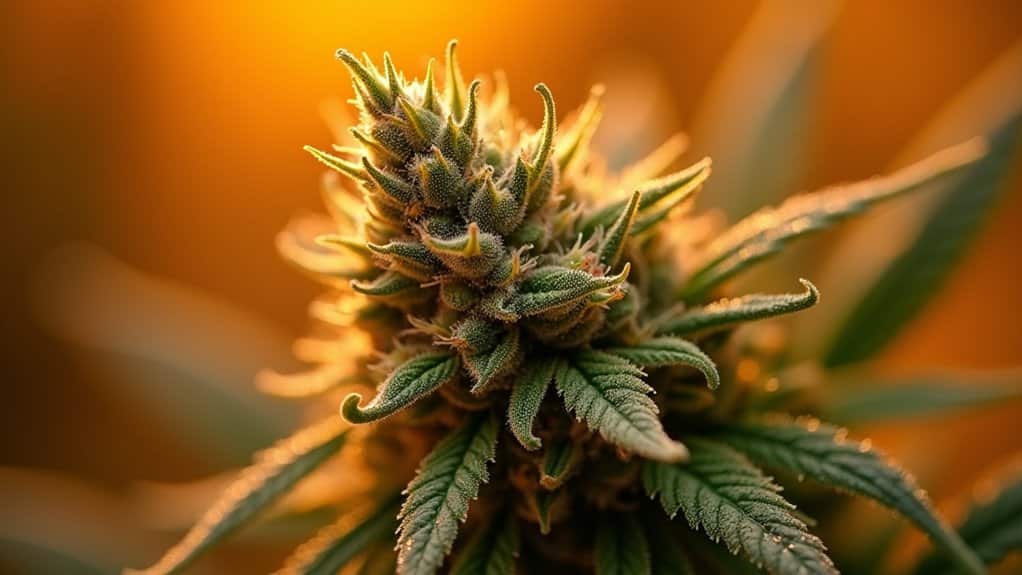
Beyond its respiratory effects, cannabis produces equally striking changes in appetite regulation and gastrointestinal function, often experienced as the intense food cravings commonly called “the munchies.” THC activates cannabinoid 1 receptors (CB1R) densely concentrated in your hypothalamus, effectively overriding satiety signals and creating a starvation-like sensation even if you’ve eaten recently.
This brain receptor activation mimics your endocannabinoid system’s natural compounds, anandamide and 2-arachidonoylglycerol, which normally regulate food intake during deprivation. During cannabis intoxication effects, THC triggers appetite hormone influence by stimulating ghrelin release, bypassing normal food intake regulation entirely.
Simultaneously, enhanced sensory perception intensifies how you experience food aromas and flavors through olfactory bulb receptor stimulation. Your reward and pleasure pathways surge with dopamine in the nucleus accumbens, amplifying satisfaction from eating, particularly sweet and fatty foods. These combined mechanisms explain why you’ll consume more calories within 30-60 minutes of use.
How THC Weakens Your Immune Response and Hormones
While cannabis triggers noticeable changes in appetite and digestion, THC simultaneously exerts measurable effects on your immune system and hormonal pathways through CB1 and CB2 receptor activation. Research demonstrates significant immunomodulation, with THC altering cytokine modulation by reducing IL-1β and IL-6 while increasing TNF-α in specific immune cells.
Your body experiences three primary disruptions:
- Impaired T-cell proliferation, THC reduces IFN-γ production through CB2 receptors, weakening cell-mediated immunity and increasing viral infection risk
- Mitochondrial function decline, Dose-dependent reductions in cellular energy output affect immune cell activity
- Hormonal disruption, THC promotes regulatory cells and apoptosis, perturbing Th1/Th2 cytokine balance
Chronic use elevates stress and inflammation markers while potentially contributing to DSM-5 cannabis use disorder. Heavy users may develop cannabinoid hyperemesis syndrome, requiring cessation for symptom resolution.
Short-Term High vs Long-Term Harm: Permanent Risks
Although the immediate effects of THC fade within hours, the distinction between transient intoxication and lasting physiological damage depends critically on dose, frequency, and age of onset. Your short-term high involves psychoactive effects mediated through CB1 receptors in the hippocampus, basal ganglia, and prefrontal cortex, disrupting gamma-aminobutyric acid and glutamate signaling while altering serotonin, norepinephrine, and cortisol levels.
However, chronic use triggers permanent neuroadaptations. You’ll experience persistent cognitive impairment affecting memory, attention, and executive function, particularly if you started during adolescence when neural pruning remains active. Heavy users face up to 50 percent risk of cannabis use disorder, elevated schizophrenia susceptibility in genetically vulnerable individuals, and respiratory damage comparable to tobacco smoking. Testicular cancer associations and cannabinoid hyperemesis syndrome represent additional long-term consequences that don’t resolve simply by ending your high.
Ready to Break Free From Cannabis Dependency?
If cannabis use has started to feel less like a choice and more like a necessity, that shift is worth paying attention to. Florida Addiction Resource connects you with trusted, licensed cannabis detox and addiction treatment programs across Florida, free of charge and available 24/7. You don’t have to navigate this alone. Call +1 (561) 562-4336 today and let us help you find the right support.
Frequently Asked Questions
How Long Does THC Stay Detectable in Urine After Occasional Use?
If you use cannabis occasionally, THC metabolites typically remain detectable in your urine for 1 to 3 days after your last use. Your body converts THC into THC-COOH, which standard urine tests screen for at thresholds above 50 ng/mL. Factors like your metabolism, body fat percentage, and the dose you’ve consumed can slightly extend this window. Single or infrequent use generally clears faster than moderate or chronic consumption patterns.
Can Cannabis Interact Dangerously With Prescription Medications I’m Taking?
Yes, cannabis can interact dangerously with your prescription medications. THC and CBD affect liver enzymes (CYP2C9, CYP3A4, CYP2D6) that metabolize many drugs, potentially altering their blood levels. You’ll face increased bleeding risk with anticoagulants like warfarin, amplified sedation with opioids, benzodiazepines, and antidepressants, and heightened adverse effects with antipsychotics and anticonvulsants. THC’s protein-binding properties can displace other medications, causing unexpected toxicity. Always consult your prescriber before combining cannabis with any medication.
What Is Cannabinoid Hyperemesis Syndrome and Who Develops It?
Cannabinoid hyperemesis syndrome (CHS) causes recurrent nausea, intense vomiting, and abdominal pain despite cannabinoids’ typical antiemetic properties. You’re at risk if you’ve used cannabis frequently, weekly or more, for months to years, especially if you started during adolescence. You’ll likely experience cyclical episodes lasting 24-48 hours, with compulsive hot bathing providing temporary relief. Symptoms resolve when you stop using cannabis but return if you resume.
Does Cannabis Use During Adolescence Cause Permanent IQ Loss?
Research suggests persistent adolescent-onset cannabis use may cause lasting cognitive deficits. The Dunedin study found heavy teen users experienced an average 8-point IQ decline that didn’t recover with cessation. Your developing prefrontal cortex remains particularly vulnerable to cannabinoid disruption. However, twin studies indicate familial confounds may partly explain this association. You’ll find the evidence mixed, while some decline appears real, genetics and environment likely contribute. Heavy adolescent use carries measurable neuropsychological risks.
What Warning Signs Require Immediate Medical Attention After Using Cannabis?
You should seek immediate medical attention if you experience chest pain, trouble breathing, seizures, loss of consciousness, or severe drowsiness after using cannabis. Watch for signs of acute psychosis, including hallucinations, extreme confusion, or combativeness. Uncontrollable vomiting occurring more than five times per hour, especially with dehydration symptoms, requires emergency evaluation. Fast or irregular heartbeat, severe anxiety that doesn’t subside, and catatonic unresponsiveness also warrant urgent care.