

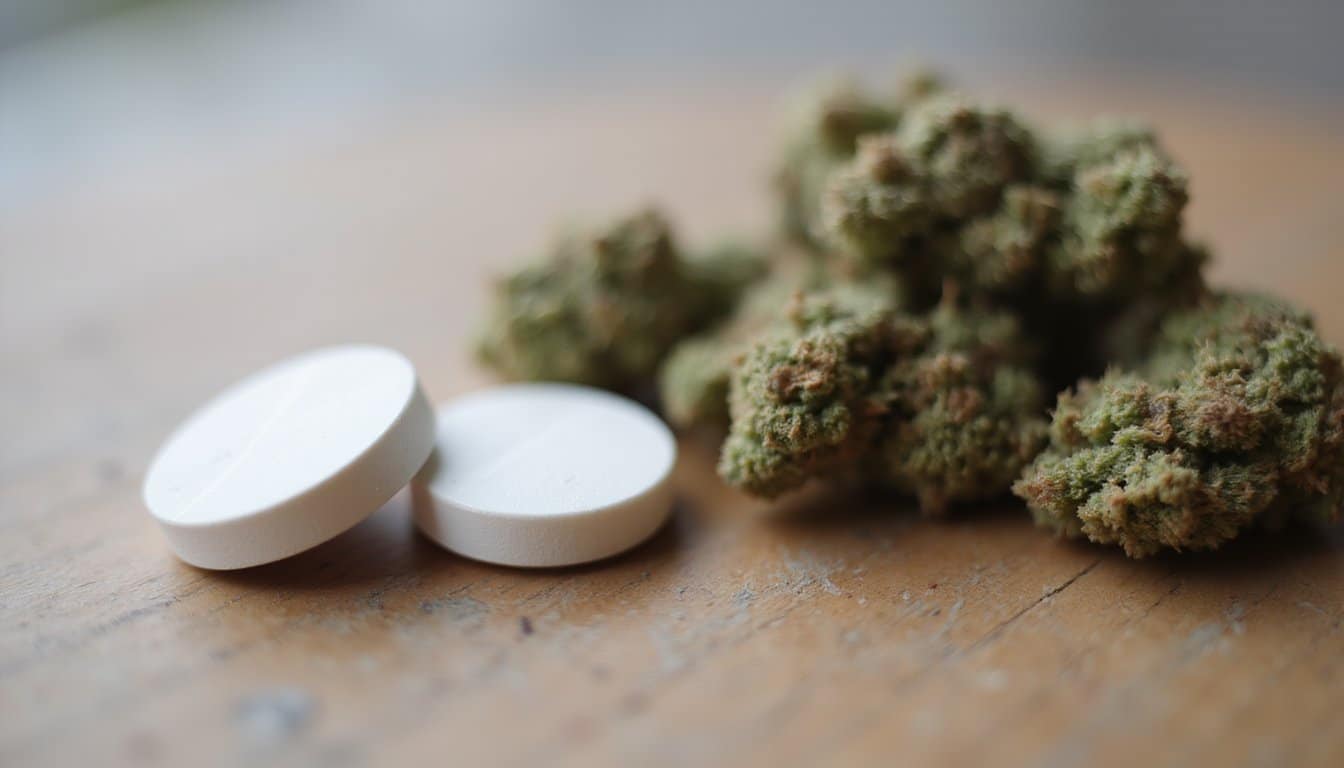


Your weed smells like hay because you’ve dried it too quickly, trapping chlorophyll inside the buds before it could properly break down. When temperatures exceed 70°F or humidity drops below 45%, terpenes evaporate rapidly while green pigments remain locked in. You can partially salvage hay-scented cannabis through extended curing at 60-65°F with 55-62% humidity, allowing enzymes to continue degrading chlorophyll. Understanding the science behind proper drying conditions will help you prevent this issue entirely.
Why Does Your Weed Smell Like Hay?
When your cannabis smells like freshly cut grass instead of the pungent, complex aroma you’re expecting, chlorophyll is almost always the culprit. During growth, chlorophyll saturates plant tissue, and without proper breakdown, it dominates the scent profile. The scent profile of cannabis strains significantly influences the overall experience and can be a telling indicator of quality. Recognizing the various aromatic characteristics can help consumers make informed choices that align with their preferences. Exploring different strains and their scent profiles can lead to delightful discoveries in flavor and effect.
The primary causes include a rushed curing process, improper humidity conditions, and poor storage practices. When you dry buds too quickly, enzymes can’t fully degrade chlorophyll before deactivating. Terpene degradation accelerates simultaneously, stripping away desirable aromas while grassy notes persist. This improper drying process can also halt THC biosynthesis, reducing overall potency in your final product. As cannabis ages, it naturally loses its terpene profile, resulting in a hay or grass-like scent even when originally cured correctly.
High moisture environments above 60% relative humidity create additional problems. Excess humidity promotes microbial contamination from mold and bacteria, which produce volatile compounds that intensify hay-like odors. Storage without proper airflow can also trap moisture and contribute to these undesirable scent profiles. You’ll need to address these environmental factors to restore aromatic quality and guarantee safer consumption.
High moisture environments above 60% relative humidity create additional problems. Excess humidity promotes microbial contamination from mold and bacteria, which produce volatile compounds that intensify hay-like odors and can even explain why weed smells like ammonia in poorly controlled conditions. Storage without proper airflow further traps moisture, accelerating bacterial activity and contributing to these sharp, undesirable scent profiles. Addressing these environmental factors is essential to restore aromatic quality and ensure safer consumption.
Drying Too Fast Locks in That Grassy Scent
Speed kills terpenes. When you rush the drying process, you’re triggering rapid drying that traps chlorophyll inside your buds before chlorophyll breakdown can occur. The outer layers crisp up while moisture content too high remains in the core, creating uneven off gassing compounds that smell like freshly cut grass.
Improper drying at temperatures above 20°C or humidity below 30% accelerates terpene volatilization, stripping those aromatic compounds before they can develop fully. You’ll lose myrcene, limonene, and other volatiles that define your strain’s character. Additionally, any shock to plants during growth can already hamper terpene production before you even reach the drying stage. These essential oil compounds are what give your cannabis its distinctive musky aroma, so preserving them should be a top priority.
To fix this, maintain 15-20°C with 30-50% relative humidity. Follow the 60/60 rule, 55-60% RH at 60°F, for 5-14 days until buds feel crisp outside but spongy inside. Whole plant drying without wet trimming slows exterior moisture loss and preserves your terpene profile. Use a small fan for circulation but avoid blowing air directly onto your drying plants, as this can alter the final taste and dry the flower too quickly.
How Leftover Chlorophyll Causes Hay Smell
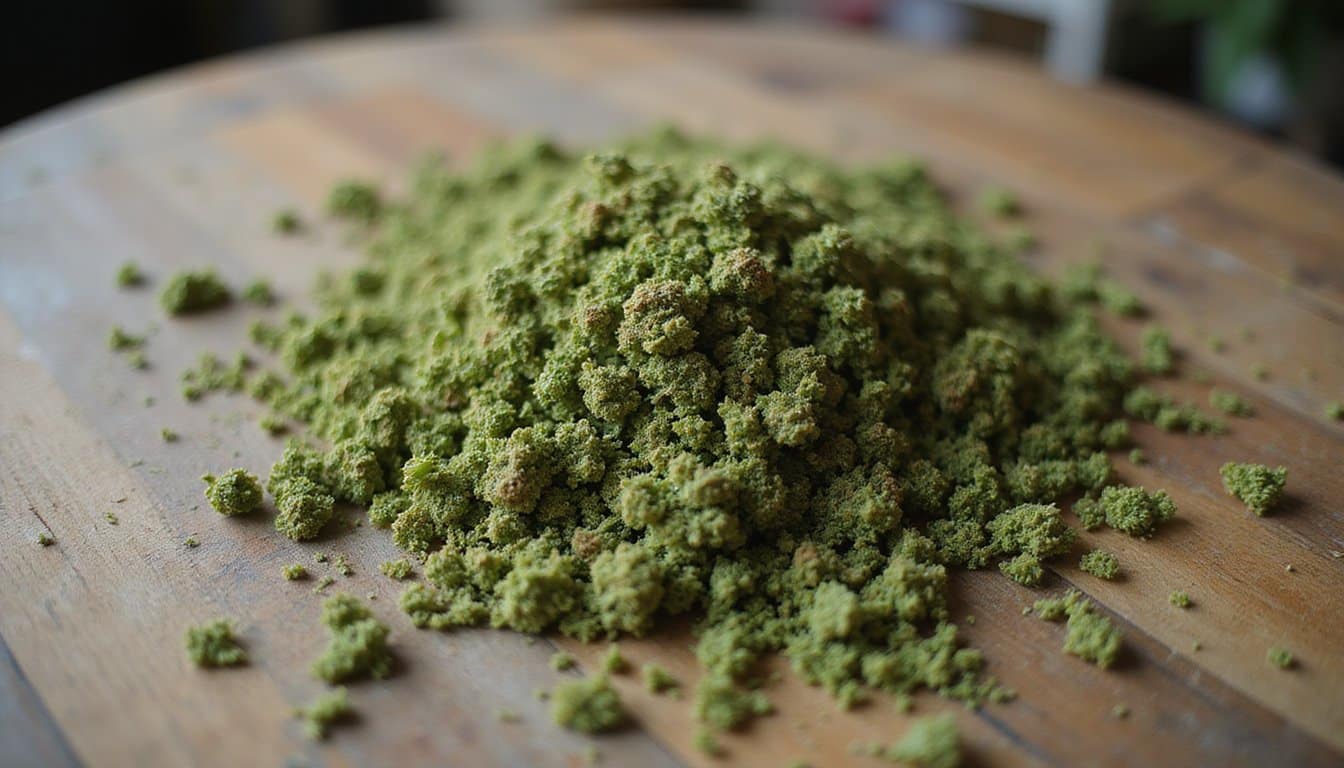
When you dry cannabis too quickly, chlorophyll doesn’t have time to break down through natural enzymatic processes, leaving behind that unmistakable grassy scent. The green pigment requires darkness, controlled humidity around 60%, and 7-10 days of slow moisture release to degrade into odorless compounds. By rushing this process, you’re fundamentally locking in the chlorophyll while your terpenes evaporate, resulting in flower that smells like fresh-cut hay instead of its intended aromatic profile. Maintaining temperatures below 70°F during drying helps ensure the chlorophyll breaks down properly while preserving the delicate aromatic compounds. This improper degradation also compromises your terpenes, flavonoids, and cannabinoids, diminishing both the potency and overall quality of your harvest. Following the proper drying phase with a four-week cure allows complete chlorophyll breakdown and enables the development of complex terpene interactions that define your strain’s true aromatic character.
Chlorophyll Breakdown Process
The chlorophyll breakdown process determines whether your harvested cannabis develops rich, complex aromas or ends up smelling like freshly cut hay. During drying, chlorophyllase enzymes begin degrading chlorophyll into smaller compounds that won’t overpower your terpene profile.
Enzymatic activity peaks when you maintain temperatures below 70°F in dark conditions. This slow breakdown converts harsh chlorophyll into sugars and minerals that aerobic bacteria further decompose during curing. If you rush drying, you’ll deactivate these enzymes before they finish their work. Minimizing UV light exposure throughout this process also helps preserve the cannabinoids and terpenes that define your strain’s unique character. A proper dry typically takes 10-14 days, and rushing this timeline permanently damages the flavor profile.
Proper curing in sealed containers with controlled oxygen exposure continues degradation over two to four weeks. You’re aiming for complete chlorophyll removal while preserving cannabinoids and terpenes. Monitor your buds carefully, excess green pigment and grassy aromas indicate incomplete breakdown requiring extended cure time. Alternatively, cryogenic curing can reduce this lengthy process to less than a day while still achieving proper chlorophyll degradation.
Rushed Drying Traps Green
Rushing your drying process traps chlorophyll inside buds before enzymatic breakdown can complete, leaving you with that unmistakable hay smell. When you expose fresh cannabis to direct airflow, temperatures above 70°F, or humidity below 45%, surface moisture evaporates faster than internal water can migrate outward. This humidity imbalance seals chlorophyll within the flower structure.
Heat exposure accelerates external drying while halting the enzymatic reactions responsible for degrading green pigments. Over drying cannabis in 3-5 days instead of 7-10 preserves chlorophyll at levels that overwhelm your terpene profile entirely. This excess chlorophyll not only creates hay smell but also contributes to a bitter flavor when smoking or vaporizing.
To avoid hay smell cannabis, maintain slow drying conditions at 60°F and 60% relative humidity. This timeline allows chlorophyll to break down naturally into pheophytins, revealing strain-specific aromas rather than grassy off-notes that signal rushed handling.
Slow Drying Prevents Odor
Slowing down your drying process gives chlorophyll-degrading enzymes the time they need to break down green pigments into odorless compounds. When you maintain temperatures between 60-70°F and humidity at 45-55% RH, you create ideal conditions for this enzymatic activity while minimizing microbial growth.
Key slow-drying practices:
- Hang branches upside down in a dark room with gentle air circulation
- Keep temperature below 75°F to prevent enzyme deactivation
- Monitor humidity daily to stay within the 45-55% RH range
- Allow 7-10 days before switching to curing
This patience pays off during curing, where 55-65% RH enables continued chlorophyll breakdown. You’ll preserve terpenes while eliminating that grassy hay smell, resulting in smoother, more aromatic flower. Be aware that even with proper conditions, the hay smell may persist for around 3 weeks in jars before fully dissipating. If your material becomes crunchy and dusty, this indicates over-drying that cannot be reversed, so consistent monitoring throughout the process is essential.
Can You Fix Weed That Already Smells Like Hay?
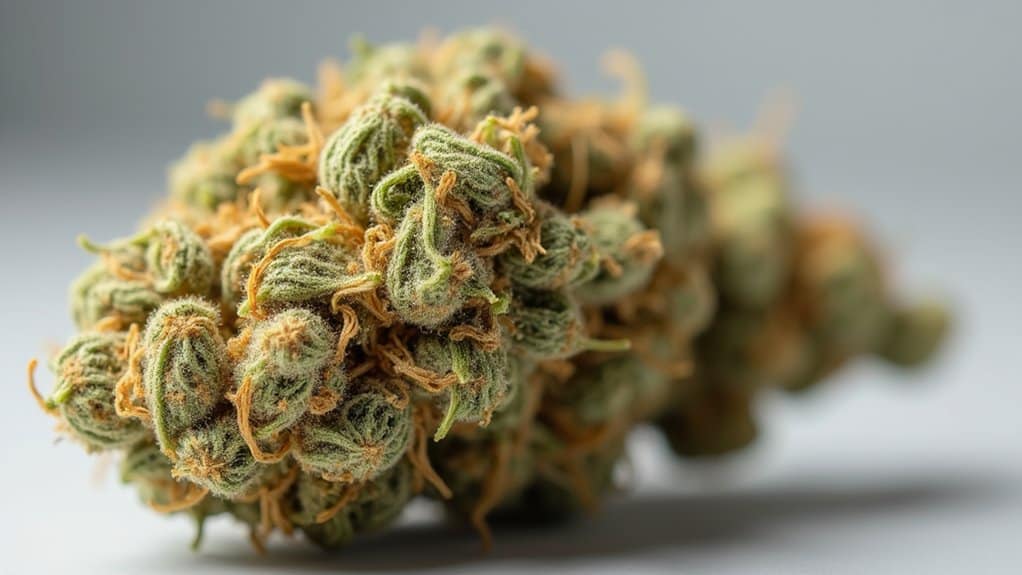
Bringing back the aroma of over-dried cannabis isn’t always possible, but you can often salvage buds that smell like hay if you act before terpene loss becomes irreversible. When improper curing or inadequate curing time causes that wet hay odor marijuana growers dread, rehydration techniques offer your best recovery option.
Start with the black garbage bag method, sweat your buds for 18 hours to restore outer moisture, then return them to a drying rack. Transfer to airtight jars at 60% RH once stems snap but remain slightly pliable. Burp containers twice daily for two weeks, gently tossing buds to promote even chlorophyll degradation.
Store jars in cool, dark conditions to prevent light exposure from destroying remaining terpenes. This extended cure reduces chlorophyll taste smoke and gradually improves aroma complexity. Keep in mind that wet trimming can cause buds to smell like hay initially, though some aroma may return after proper curing.
Why Poor Curing Keeps the Hay Smell Around
Nearly all hay-smelling cannabis traces back to curing failures that lock chlorophyll into the buds before enzymatic breakdown can finish. When you rush the process, you’re trapping compounds that would otherwise metabolize into smoother, terpene-rich profiles. Inadequate humidity control between 55-65% RH accelerates terpene degradation while preserving that grassy chlorophyll signature.
Common curing mistakes that trap hay odors:
- Maintaining humidity below 55% or above 65%, which disrupts proper moisture release
- Skipping daily burping cycles, allowing stale air circulation to stall enzymatic activity
- Curing for less than two weeks, leaving chlorophyll compounds unprocessed
- Storing buds too tightly, creating anaerobic pockets that risk microbial spoilage
You’ll preserve your flower’s aromatic potential by extending cure duration to four weeks minimum while maintaining consistent environmental controls.
Storage Mistakes That Turn Dank Into Hay
Even a perfectly cured harvest can develop that dreaded hay smell if you store it incorrectly. ExcessHumidityInStorage above 60% RH creates musty, degraded aromas and increases microbial growth risk. PoorAirflowInContainers traps volatile compounds, causing anaerobic conditions that produce off-odors.
Proper storage is just as critical as curing, humidity above 60% turns your premium harvest into musty disappointment.
ExposureToHeatAndLight accelerates terpene breakdown rapidly. Temperatures above 75°F and direct light destroy aromatic compounds, leaving you with grass-like scents instead of complex profiles.
IncorrectContainerMaterials compound the problem. Plastic bags leach terpenes and trap moisture unevenly. You’ll preserve quality better with glass mason jars that you burp regularly.
OverexposureToOxygen oxidizes cannabinoids and terpenes similarly to fruit browning. Minimize headspace in containers and consider vacuum sealing for long-term storage. Use a hygrometer and 58% RH Boveda packs to maintain ideal conditions throughout storage.
When Hay Smell Signals Mold or Bacteria
How do you distinguish between harmless hay smell from rushed drying and dangerous odors signaling contamination? Pay attention to these microbial spoilage indicators that signal serious mold contamination risk:
- Ammonia odor resembling cat urine or cleaning chemicals indicates anaerobic bacteria thriving in oxygen-deprived, moisture-trapped buds
- Musty, basement-like scents suggest active fungal growth, particularly botrytis cinerea hiding within dense flower structures
- Sharp chemical notes combined with slimy or discolored tissue confirm microbial degradation
- Visible white or gray fuzz on stems or calyxes confirms contamination requiring immediate disposal
Anaerobic bacteria produce volatile sulfur compounds and ammonia when buds remain sealed without adequate airflow. Certain molds generate mycotoxins that survive combustion and enter your lungs. If you detect these warning signs, don’t risk inhalation, contaminated cannabis poses genuine respiratory hazards.
Drying and Curing Tips to Prevent Hay Smell
You can eliminate the hay smell by controlling your drying environment and following a structured curing protocol. Maintaining temperatures between 60-70°F and relative humidity at 45-55% allows chlorophyll to break down gradually while preserving volatile terpenes. Once your buds reach the right moisture level, proper jar curing with daily burping locks in aromatics and prevents off-odors from developing.
Optimal Drying Conditions
Proper temperature-humidity balance determines whether your cannabis retains its terpene profile or develops that unmistakable hay smell. You’ll want to maintain ideal drying conditions by keeping temperature ranges between 18-21°C (65-70°F) and humidity levels at 45-55%.
Essential environmental controls for quality preservation:
- Position oscillating fans for gentle, indirect airflow and ventilation without blasting buds directly
- Install hygrometers as monitoring tools to track conditions within 2°F and 3% humidity variance
- Maintain complete darkness to prevent chlorophyll production and cannabinoid degradation
- Use dehumidifiers or humidifiers to stabilize your environment throughout the 14-day drying period
When you dial in these parameters precisely, you’re preventing the rapid moisture loss that triggers grassy off-odors while allowing enzymatic chlorophyll breakdown to complete naturally.
Proper Curing Techniques
Once your buds pass the stem snap test, small stems breaking cleanly rather than bending, you’re ready to migrate from drying to curing, the phase where chlorophyll breakdown completes and terpene profiles mature.
Transfer buds to airtight glass jars, implementing strict jar humidity monitoring with mini hygrometers. Your curing environment control targets 58-62% RH; exceeding this range invites bacterial growth and hay odors.
| Curing Week | Burping Procedure |
|---|---|
| Week 1 | Daily, 10 minutes |
| Week 2 | Daily, 10 minutes |
| Week 3-4 | Every 2-3 days |
| Week 5+ | Weekly |
Execute your burping procedure by gently tossing buds before opening containers. This releases trapped moisture and accelerates the chlorophyll breakdown process. Proper drying environment control beforehand guarantees you won’t jar prematurely, preventing that characteristic hay smell.
If you or a loved one is struggling with marijuana addiction, you don’t have to navigate it alone. Florida Addiction Resource LLC is here to connect you with trusted treatment providers throughout Florida. Whether you need cannabis detox treatment programs, residential care, outpatient services, or ongoing recovery support, we’ll guide you to the right resources. Ready to take the next step? Contact us at (561) 562-4336 to discover the care that’s right for you.
Frequently Asked Questions
Is Hay-Smelling Weed Still Safe to Smoke?
You can smoke hay-smelling weed, but it’s not ideal. The odor signals incomplete chlorophyll breakdown and terpene degradation from rushed drying. You’ll experience harsher smoke, increased throat irritation, and diminished flavor. Before smoking, check for mold, look for white fuzz, musty odors, or ammonia notes. If you find any, discard it immediately. To salvage acceptable buds, try curing them longer in jars with 62% Boveda packs to improve quality.
Does Hay Smell Mean My Weed Has Lost Its Potency?
A hay smell doesn’t necessarily mean you’ve lost potency. Your THC levels can remain intact even when terpenes have degraded. However, you’ve likely lost significant aromatic compounds that contribute to the entourage effect, the synergy between cannabinoids and terpenes that shapes your experience. You’ll still get effects, but they may feel less nuanced or strain-specific. Proper curing can gradually reduce the hay smell while preserving remaining cannabinoids.
How Long Does the Hay Smell Typically Last During Proper Curing?
The hay smell typically fades within the first 4 days of drying when you maintain proper conditions, around 60°F and 60% humidity in darkness. During curing, you’ll notice the grassy odor dissipating over 2-4 weeks with daily burping. By 4-6 weeks of consistent curing, fine terpene aromas should emerge fully. If the hay smell persists beyond 30 days, you’ve likely encountered a drying error that occurred before curing began.
The hay smell typically fades within the first 4 days of drying when you maintain proper conditions, around 60°F and 60% humidity in darkness. During curing, you’ll notice the grassy odor dissipating over 2, 4 weeks with daily burping, and this process also influences how far does the smell of weed last outside, as stabilized terpenes become less sharp and volatile. By 4, 6 weeks of consistent curing, refined terpene aromas should fully emerge. If the hay smell persists beyond 30 days, you’ve likely encountered a drying error that occurred before curing began.
Can Humidity Packs Restore Terpenes in Hay-Smelling Cannabis?
No, humidity packs can’t restore terpenes that have already evaporated from hay-smelling cannabis. They’re designed to preserve what’s there, not recover what’s lost. These packs maintain 58-62% RH, which slows further degradation but won’t reverse it. If you’re starting with depleted flower, you’ll simply lock in that deficit. For actual terpene enhancement, you’d need terpene infusion bags, then deploy humidity packs afterward to stabilize those added compounds.
Does Hay-Smelling Weed Cause More Coughing When Inhaled?
Yes, hay-smelling weed typically causes more coughing when you inhale it. The residual chlorophyll and unbroken plant sugars combust at lower temperatures, creating harsher smoke that irritates your throat and airways. You’ll likely experience increased cough frequency compared to properly cured cannabis. To minimize irritation, you should prioritize flower that’s been slow-dried at 18, 21°C with 55, 62% humidity, ensuring complete chlorophyll degradation before consumption.