






Weed’s smell ranges from skunky and earthy to citrusy and floral, depending on its terpene profile. You’ll detect volatile sulfur compounds (VSCs) that create that distinctive skunk-like odor, while myrcene produces musky, earthy notes and limonene adds bright citrus tones, factors that also influence how long does the smell of weed last outside once it disperses into open air. Pinene contributes pine-fresh scents, caryophyllene delivers peppery undertones, and linalool provides floral lavender elements. Understanding these seven scent profiles helps you identify exactly what you’re experiencing and why certain aromas linger longer than others.
Why Does Weed Smell So Strong?

The unmistakable skunk-like odor of cannabis traces back to a class of molecules called volatile sulfur compounds (VSCs), not the terpenes many assume are responsible. Research identifies VSC3 as the primary source of marijuana’s characteristic skunky odor, with concentrations spiking during flowering and curing phases. These compounds share structural similarities with those found in garlic and skunk spray, explaining the pungent aroma you detect. Interestingly, VSC3 has also been identified in beer, reflecting the close botanical relationship between cannabis and hops.
Your nose can identify VSCs at concentrations below one part per trillion, making even minimal exposure noticeable. While terpenes contribute secondary notes, VSCs account for approximately 50% or more of total pungency. The combustion smell intensifies these compounds further. VSC levels serve as freshness indicators, VSC3 concentrations drop markedly after one week of storage due to volatilization. When smoked in an open area, the characteristic smell dissipates quickly compared to enclosed spaces where it can linger on skin, hair, and furniture. When VSC5 combines with VSC3, it boosts the skunky odor significantly, particularly in cannabis extracts.
Terpenes: The Compounds Behind Every Weed Smell
More than 150 distinct terpenes occur naturally in cannabis plants, though only a handful reach concentrations significant enough to shape each strain’s aromatic fingerprint. You’ll find these compounds synthesized in trichomes alongside cannabinoids like THC and CBD, where they’re produced through the methylerythritol phosphate and mevalonate biosynthetic pathways.
The dominant terpenes you’ll encounter include myrcene, which delivers musky, clove-like notes and often exceeds 0.5% concentration in relaxing strains. Limonene contributes citrus aromatics, while pinene produces characteristic pine-needle scents. Beta caryophyllene adds peppery undertones, and humulene imparts earthy qualities. Linalool provides floral lavender tones, whereas terpinolene combines pine, citrus, and herbaceous elements. Notably, caryophyllene is the only terpene known to interact directly with CB2 receptors, giving it unique therapeutic potential among cannabis compounds. Beta-pinene, with its distinct pine-like aroma, may have memory-enhancing effects and aid cognitive function.
Each strain’s unique terpene profile determines its distinctive scent. These compounds also contribute to the entourage effect, potentially enhancing therapeutic outcomes when combined with cannabinoids. Factors such as geography, weather, soil conditions, fertilizer use, plant age, and harvest time can significantly alter the essential oil composition and resulting aroma of cannabis plants.
Earthy, Musky Weed Smell: The Myrcene Profile
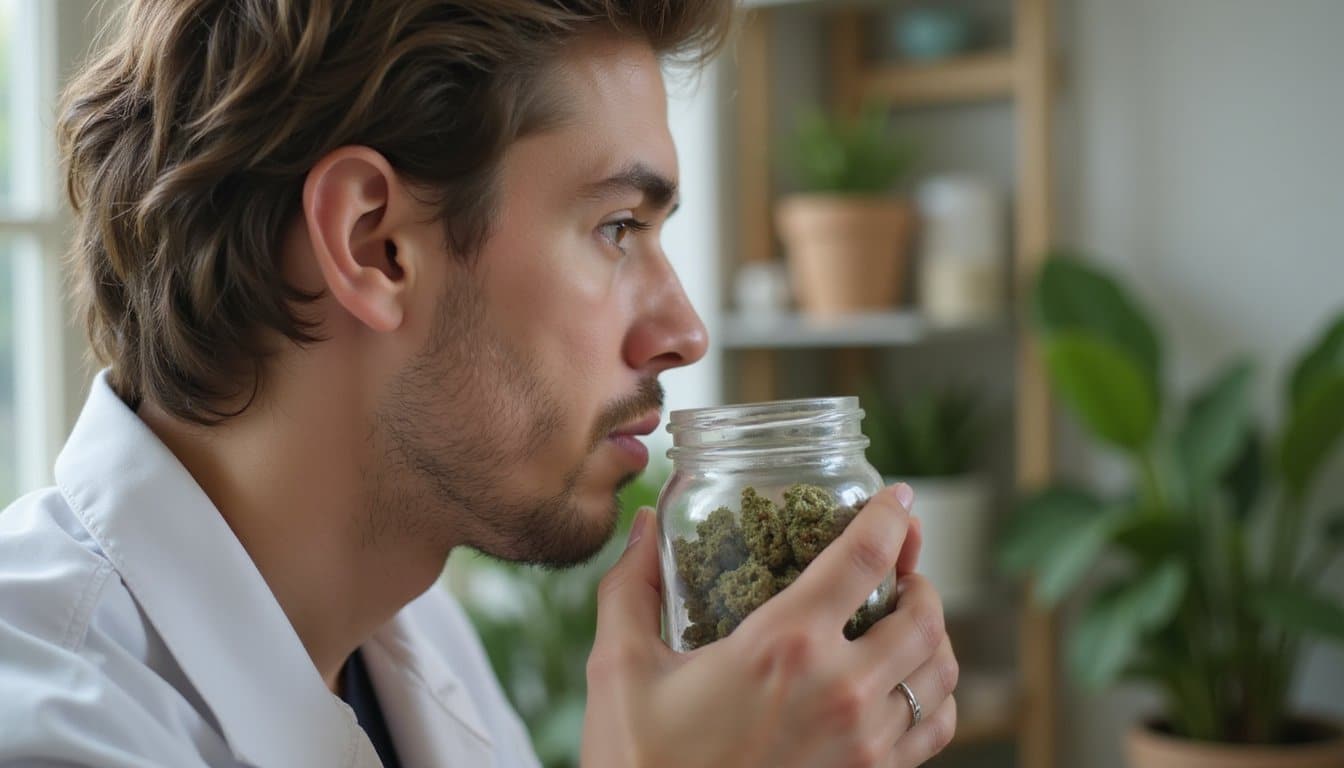
Earthy, musky aromas that many people associate with classic cannabis typically originate from myrcene, a monoterpene with detection thresholds as low as 14 parts per billion. This volatile organic compound accounts for over 32% of total terpene content on average and dominates nearly 50% of modern cultivars, regardless of whether you’re examining cannabis sativa or cannabis indica varieties.
You’ll find myrcene concentrated in the trichomes and resin glands covering buds and leaves, where it contributes the characteristic earthy scent and musky odor profile. Concentrations range from 0.04% to 1.89% across varieties, with certain phenotypes reaching 46.1%. Coastal-grown plants typically express 8-12% higher myrcene concentrations than inland cultivars of identical genetics. Cannabis-derived myrcene demonstrates 15-25% stronger effects than botanical sources due to trace cannabinoids and synergistic terpenes that enhance the entourage effect. Beyond cannabis, this terpene occurs naturally in hops, bay leaves, thyme, and lemongrass, contributing similar aromatic profiles across these diverse plant species.
Citrus Weed Smell: The Limonene Profile
When you encounter cannabis with a bright, citrus-forward aroma reminiscent of lemons or oranges, you’re detecting limonene, the third most abundant terpene in cannabis that typically ranges from 0.1% to 2% by dry weight in high-quality strains. This monoterpene’s high volatility enables rapid delivery to your olfactory receptors, and research indicates it modulates the HPA axis to buffer THC’s anxiogenic effects while promoting stress regulation. Beyond cannabis, limonene is naturally present in juniper, peppermint, rosemary, and pine needles, contributing to the aromatic profiles of these plants as well. Strains like Super Lemon Haze, which combine dominant limonene with terpinolene and myrcene, produce the uplifting, euphoric, and creativity-enhancing effects commonly associated with sativa-leaning cultivars.
Limonene’s Bright Aroma
Although myrcene typically dominates cannabis terpene profiles, limonene ranks as the third most abundant terpene and serves as the primary driver behind the bright citrus notes you’ll detect in certain strains. This monoterpene shares structural similarities with isoprene and ocimene, contributing to complex smell profiles across cultivars.
Your odor perception distinguishes between limonene’s two optical isomers: D-limonene produces sweet orange aromas, while L-limonene generates piney undertones. High-quality strains typically contain 0.1% to 2% limonene by dry weight.
Beyond creating citrus notes, limonene interacts synergistically with delta 9 tetrahydrocannabinol and cannabidiol through the entourage effect. Research indicates limonene modulates THC’s psychoactive properties, potentially counteracting anxiety while preserving therapeutic benefits. You’ll find concentrations above 0.5% deliver pronounced citrus aromas and noticeable effects.
Uplifting Sativa Effects
Limonene-rich sativa strains produce distinct uplifting effects that correlate with their citrus-forward terpene profiles. When you consume varieties like Orange Bud, Clementine, or Tangie, you’ll experience euphoric, mood-elevating sensations characteristic of high-limonene cultivars. Sour Tangie and Super Sour Diesel deliver similar cerebral stimulation through their dominant terpene combinations.
These strains demonstrate how limonene interacts synergistically with secondary terpenes:
- Myrcene enhances relaxation while maintaining mental clarity
- Terpinolene contributes additional uplifting, focused effects
- Beta-caryophyllene adds subtle calming properties without sedation
You’ll notice citrus strains provide measured, calm stimulation ideal for daytime productivity. The psychoactive profile quickly elevates mood while maintaining functional alertness. Clementine exemplifies this effect, providing a focused, present euphoria capable of kickstarting a lethargic morning. Research indicates these terpene combinations create layered effects, you experience focused euphoria capable of counteracting lethargy without anxiety-inducing overstimulation common in high-THC varieties lacking balanced terpene content. Growers can further optimize these terpene profiles by using supplemental UVA/UVB lighting during cultivation to boost limonene and other aromatic compound levels. Beyond traditional terpenes, recent research has identified tropicannasulfurs (TCSCs) as compounds that contribute citrus-forward aromas with underlying notes of funk and petroleum, even in small amounts.
Pine-Fresh Weed Smell: The Pinene Profile
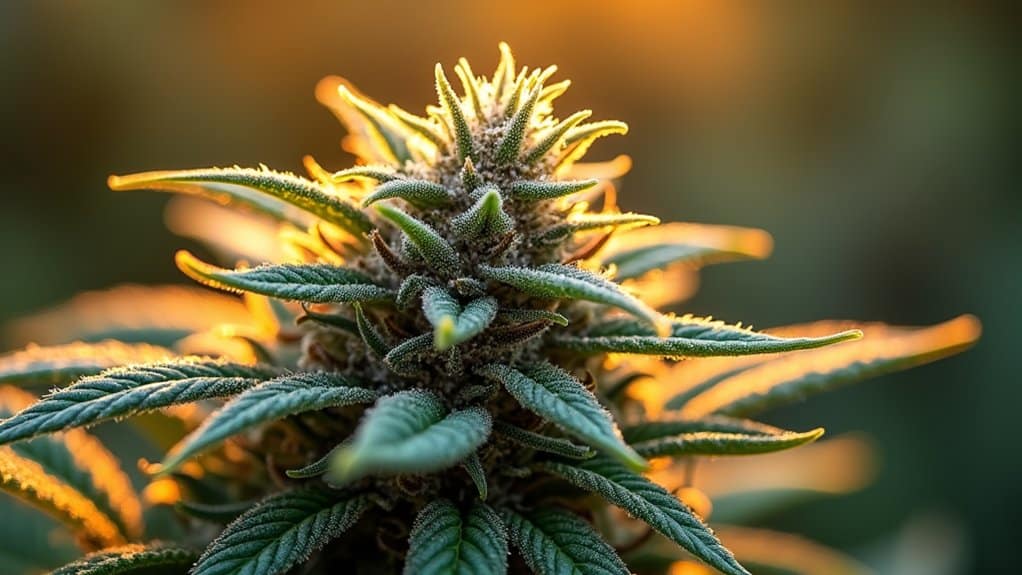
Pine-forward cannabis strains owe their distinctive forest-like aroma to pinene, the most abundant terpene in the plant kingdom and one of the primary aromatic compounds found in cannabis resin glands. You’ll detect this pine smell more frequently in sativa cultivars, where pinene prevalence ranks second among terpenes.
The pinene aroma manifests through two isomers: alpha-pinene delivers a resinous, fresh pine scent, while beta-pinene contributes sweet, herbaceous notes reminiscent of basil and dill. This plant material odor varies based on each strain’s alpha-to-beta ratio. Beyond cannabis, pinene occurs naturally in rosemary, basil, and parsley, making it one of nature’s most versatile aromatic compounds.
Research indicates pinene effects include enhanced mental focus and potential bronchodilatory properties. Alpha-pinene may offset THC-induced cognitive impairments, while beta-pinene demonstrates anti-anxiety characteristics. When working in synergy with THC, pinene’s bronchodilatory effects may help conditions like asthma. You’ll find pinene-rich strains like Big Smooth, Blue Dream, and Gelato offer pronounced forest-like profiles alongside therapeutic potential. These strains are ideal for activities requiring mental clarity, such as creative work, problem-solving, or tackling household tasks without feeling foggy or disoriented.
Spicy, Peppery Weed Smell: The Caryophyllene Profile
When you detect a spicy, peppery aroma in cannabis, reminiscent of freshly cracked black pepper or warm cloves, you’re identifying beta-caryophyllene (BCP), a sesquiterpene with a molecular structure distinct from smaller monoterpenes like pinene and limonene. This cannabis terpene smell features a rare cyclobutane ring that enables direct CB2 receptor activation, a property unique among aromatic hydrocarbons in cannabis.
Beta-caryophyllene’s rare cyclobutane ring makes it the only aromatic compound in cannabis that directly activates CB2 receptors.
BCP contributes to the natural weed scent profile through:
- Herbal smell compounds that blend peppery notes with cinnamon and woody undertones
- Olfactory receptor activation at low concentrations, making the scent detectable even in minimal smoke residue
- Environmental absorption into fabrics and surfaces due to its larger molecular weight
Unlike THC, caryophyllene doesn’t produce euphoria despite cannabinoid receptor interaction, offering anti-inflammatory and analgesic properties without psychoactive effects. This interaction with CB2 receptors also gives caryophyllene the ability to modulate stress and anxiety levels, making it valuable beyond its distinctive aroma.
Floral, Herbal, and Skunky Weed Smell Profiles
Beyond caryophyllene’s peppery signature, cannabis produces a spectrum of floral, herbal, and skunky aromas through distinct terpene combinations that activate olfactory receptors at remarkably low thresholds.
Linalool generates lavender-like floral notes you’ll detect in many kush strain varieties, while nerolidol contributes sweet, woody florals. Terpinolene delivers complex floral-herbal-citrus profiles characteristic of certain haze strain cultivars.
Myrcene dominates most cannabis chemotypes, producing the earthy, musky foundation underlying skunk strain genetics. When myrcene combines with volatile sulfur compounds called thiols, you experience that distinctive skunky pungency detectable at parts-per-trillion concentrations.
Diesel strain aromatics emerge from terpene-thiol interactions creating fuel-like sharpness. Herbal profiles develop through eucalyptol, ocimene, and borneol combinations. Your olfactory system distinguishes these terpene ratios instantly, explaining why experienced users identify strain families by scent alone.
If you or someone you love is struggling with weed addiction, you don’t have to face it alone. Florida Addiction Resource LLC is here to help you connect with trusted treatment providers across Florida. Whether you’re exploring cannabis detox treatment programs, inpatient care, outpatient services, or recovery support, we’ll guide you to the right resources. Ready to take the next step? Call us at (561) 562-4336 to find the care that’s right for you.
Frequently Asked Questions
How Long Does the Smell of Weed Linger on Clothing?
Cannabis odor typically persists on your clothing for 1, 7 days, depending on several variables. If you’ve had a single smoking session, you’ll notice the scent lingers approximately 24 hours on aired-out garments. Heavy fabrics like wool or denim retain terpenes and volatile sulfur compounds for weeks. You can accelerate elimination by washing with detergent, storing clothes in sealed containers, or airing them outdoors where increased airflow disperses odor-causing molecules more rapidly.
Can You Smell Weed on Someone Who Ate Edibles?
You typically won’t detect the characteristic cannabis smell on someone who consumed edibles. Unlike smoking, edibles don’t produce combustion byproducts that cling to clothing and hair. However, your body metabolizes terpenes and THC, releasing trace compounds through sweat and breath. These metabolic odors are considerably weaker than smoke residue and often undetectable to humans. Drug-detection dogs, however, can identify THC metabolites regardless of consumption method due to their superior olfactory sensitivity.
Does the Smell of Weed Indicate How Potent It Is?
No, the smell of weed doesn’t indicate its potency. You’re detecting terpenes, which are produced through biological pathways separate from THC synthesis. Research on 276 participants found no correlation between aroma intensity and THC content, high-THC strains like Lemon Diesel ranked low in smell-based potency ratings. Strong-smelling cultivars may contain 15-18% THC while subtle-scented varieties reach 25-30%. Terpenes modulate your experience through the entourage effect, not by signaling cannabinoid concentration.
Why Can Some People Smell Weed From Far Away?
You can smell weed from far away because volatile sulfur compounds and terpenes like myrcene and caryophyllene have detection thresholds below 1 part per trillion. Your individual olfactory sensitivity determines how readily you’ll perceive these molecules. Wind direction, humidity, and open environments help disperse these volatile organic compounds several hundred feet. High-terpene strains produce more intense odors that travel further, while your psychological associations with cannabis can amplify perceived intensity.
Does Old Weed Smell Different Than Fresh Weed?
Yes, old weed smells noticeably different from fresh cannabis. When you examine fresh flower, you’ll detect vibrant, strain-specific terpene profiles, sharp citrus, pine, or skunky notes. Over time, terpenes volatilize due to UV exposure, oxidation, and humidity fluctuations, leaving you with subtle hay-like or bland herbal aromas. Research indicates Delta-9 THC also degrades during storage. You won’t mistake moldy weed’s musty, ammonia-like scent for simple age-related degradation.