






Galaxy gas is nitrous oxide sold in flavored canisters that you inhale to produce a brief euphoric high lasting 30 seconds to 2 minutes. When you inhale it, you’re rapidly displacing oxygen in your bloodstream, which can cause hypoxia, loss of consciousness, and sudden cardiac death. Chronic use depletes vitamin B12, causing progressive nerve damage, memory loss, and permanent cognitive impairment. Understanding the full scope of these risks can help you recognize warning signs and treatment options. Understanding galaxy gas consequences extends beyond immediate physical effects. Users may not be aware of the long-term mental health challenges that can arise from habitual use.
What Is Galaxy Gas?

Galaxy Gas is a brand of nitrous oxide (N₂O), a colorless, non-flammable gas commonly called “laughing gas” or “whippets”, that’s gained widespread attention as a recreational inhalant, particularly among teens and young adults.
Originally designed as a culinary tool for pressurizing whipped cream dispensers, Galaxy Gas contains 99.9% pure food-grade nitrous oxide with flavored additives. However, recreational use has overshadowed its intended purpose. Many users are drawn to it because of its low cost and availability, making it easy to obtain without the stigma associated with harder drugs. The product’s colorful canisters and appealing flavors are particularly attractive to adolescents.
When you inhale this gas, it displaces oxygen in your bloodstream and disrupts your central nervous system. This oxygen deprivation, called hypoxia, produces brief euphoria lasting only seconds to minutes. The gas works partly through direct modulation of ligand-gated ion channels, including blockade of NMDA receptors in the brain. The short-lived high often drives repeated inhalation, increasing your risk of serious complications including brain damage, nerve injury, and loss of consciousness.
Is Galaxy Gas Legal?
Understanding the legal landscape around nitrous oxide products like Galaxy Gas reveals a complex patchwork of regulations that often confuses consumers. Federal regulations permit nitrous oxide for medical use and culinary use, but recreational use remains illegal under misbranding laws. You can legally purchase Galaxy Gas for whipped cream preparation, yet inhaling it as an intoxicant violates federal and state statutes.
State regulations vary considerably. Louisiana enacted strict bans in 2024, while Oregon now requires ID verification following paralysis cases. Minnesota lawmakers propose banning flavored nitrous oxide sales entirely. Texas explicitly criminalizes intentional inhalation for recreational purposes.
The FDA hasn’t approved commercial use nitrous oxide products for human consumption. Selling these products for inhalant abuse constitutes a federal misdemeanor, carrying penalties up to one year imprisonment and $100,000 in fines.
Why People Inhale Galaxy Gas to Get High
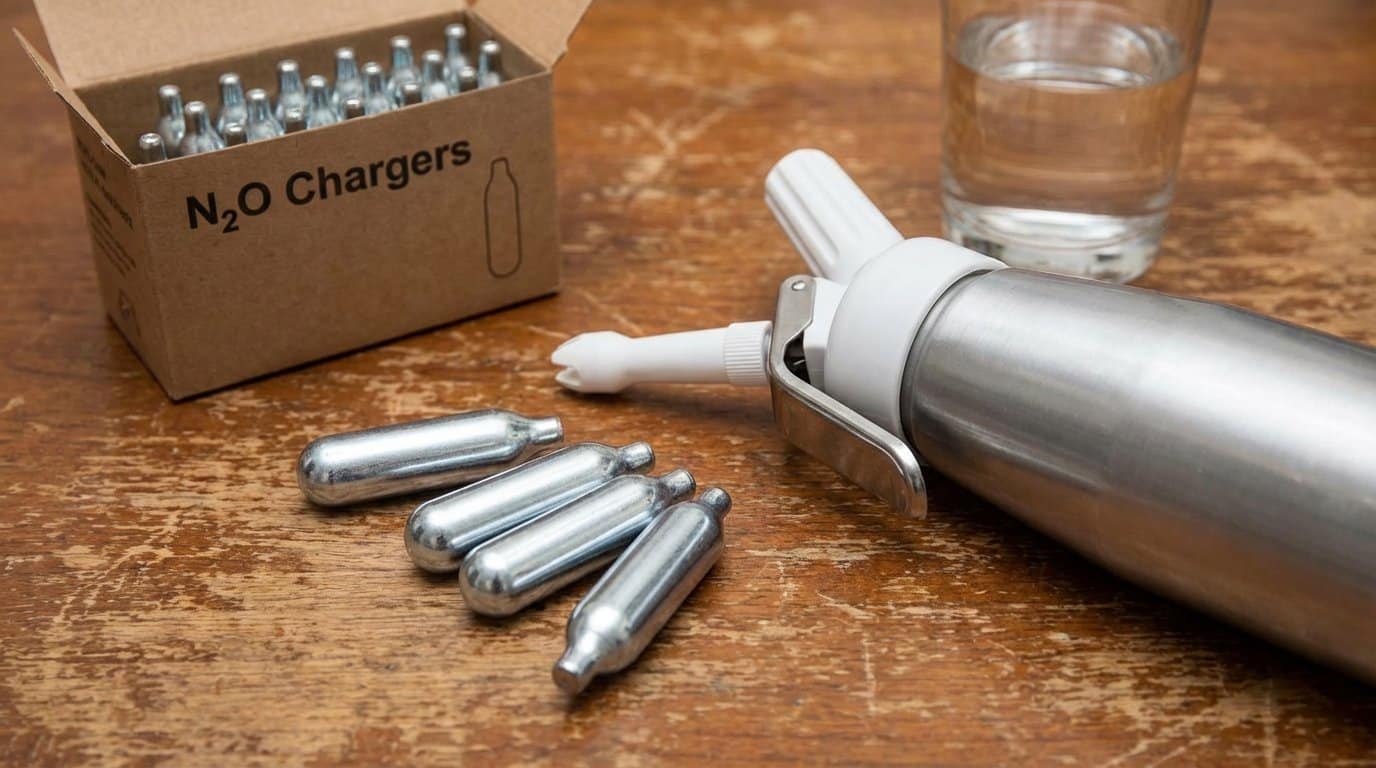
The rapid, intense high that nitrous oxide delivers explains why so many users turn to Galaxy Gas despite its documented dangers. When you inhale from whipped cream chargers, the gas triggers oxygen deprivation to your brain cells, producing immediate lightheadedness and euphoria lasting only seconds to minutes.
This brief duration drives repeated inhalation, considerably increasing your risk of dizziness, fainting, and loss of consciousness. You may perceive nitrous oxide as safer than other substances because of its medical applications and legal availability. However, this misconception masks serious consequences including nerve damage, heart complications, and potential overdose.
The colorless, odorless nature of the gas conceals its immediate threats, while enticing flavors and social media normalization further lower your guard against these substantiated risks.
What Galaxy Gas Does to Your Brain and Body
When you inhale Galaxy Gas, the nitrous oxide rapidly displaces oxygen in your bloodstream, starving your brain of the oxygen it needs to function properly. This oxygen deprivation triggers immediate neurological effects while the gas simultaneously disrupts your brain’s neurotransmitter systems by blocking NMDA receptors and altering normal neural signaling. Your blood pressure drops quickly as blood vessels relax, causing dizziness, palpitations, and increasing your risk of fainting or injury.
Oxygen Deprivation Effects
Because nitrous oxide displaces oxygen in your bloodstream, inhaling Galaxy Gas triggers a dangerous condition called hypoxia, a state where your brain and body don’t receive adequate oxygen to function properly. Brain cells begin dying after just four minutes of oxygen deprivation, with hippocampal neurons proving especially vulnerable. This oxygenation failure produces the brief euphoria users seek, quickly followed by disorientation, dizziness, and potential unconsciousness.
The neurological impairment extends beyond immediate effects. You may experience loss of coordination, slurred speech, and temporary memory disruption. Severe hypoxia causes seizures and permanent brain cell death.
Respiratory failure becomes a critical risk with prolonged inhalation, particularly in confined spaces. Sudden Sniffing Death Syndrome can trigger cardiac arrest without warning, even in first-time users. Consecutive uses compound these dangers exponentially.
Neurotransmitter Disruption Occurs
Beyond oxygen deprivation, nitrous oxide directly disrupts your brain’s chemical messaging system by modulating ligand-gated ion channels throughout your nervous system. This receptor modulation affects your central nervous system by blocking NMDA receptors and altering neurotransmitter activity, creating that brief euphoric sensation while simultaneously cutting oxygen supply to critical brain regions.
The consequences of repeated use include:
- Severe vitamin B12 deficiency that damages nerves in your hands and feet
- Progressive memory loss and impaired coordination lasting weeks after use
- Psychological dependence that develops as you chase diminishing highs
Each inhalation compounds nerve damage throughout your body. Your brain’s communication pathways become increasingly compromised, leading to cognitive impairments that may persist long after you’ve stopped using. The clinical evidence confirms these aren’t temporary effects, they’re cumulative injuries.
Blood Pressure Drops Rapidly
As nitrous oxide enters your bloodstream, it rapidly relaxes blood vessel walls throughout your body, triggering a sudden drop in blood pressure that can leave you lightheaded, dizzy, or unconscious within seconds. This cardiovascular response intensifies when hypoxia simultaneously depletes oxygen levels, compounding the dangerous effects on your heart and brain.
You’ll likely experience headaches, palpitations, and severe dizziness as your body struggles to maintain adequate circulation. The FDA has issued warnings about dangerously low blood pressure from nitrous oxide misuse, particularly when combined with medications that already lower blood pressure.
These cardiovascular effects can escalate quickly. Loss of consciousness occurs when blood pressure drops to critical levels, while heart rate fluctuations may trigger sudden sniffing death syndrome, a fatal cardiac event that can strike even young, healthy users without warning.
Short-Term Side Effects of Inhaling Galaxy Gas
When you inhale Galaxy Gas, you’ll experience a brief rush of euphoria and dizziness that typically lasts only 30 seconds to two minutes, a fleeting high that drives repeated use. The immediate effects stem from nitrous oxide disrupting your brain’s oxygen supply, triggering symptoms of hypoxia including lightheadedness, confusion, and impaired coordination. You may also notice numbness or tingling in your limbs, slurred speech, and disorientation as the gas interferes with normal neurological function.
Immediate Euphoria and Dizziness
The moment nitrous oxide enters your lungs, it displaces oxygen in your bloodstream and triggers a rapid euphoric response that peaks within seconds. You’ll feel disoriented and experience intense dizziness as your brain struggles with reduced oxygen flow. This floating sensation fades within 30 seconds to 2 minutes, often leaving you with nausea, vomiting, and confusion.
The physical toll hits fast:
- Motor coordination fails as disrupted nerve signals impair your ability to move or think clearly
- Shortness of breath and chest pain signal your body’s distress from oxygen deprivation
- Numbness and tingling spread through your extremities as circulation suffers
These symptoms intensify with repeated hits. The crash that follows brings sluggish thinking, prolonged disorientation, and heightened accident risk while you’re still impaired.
Oxygen Deprivation Symptoms
How quickly can oxygen deprivation become dangerous? Within seconds of inhaling Galaxy Gas, your oxygen saturation plummets as nitrous oxide displaces breathable air in your lungs. This triggers hypoxia, starving your brain and crucial organs of essential oxygen.
You’ll experience brain oxygen deprivation first through dizziness, confusion, and disorientation. Sensory disturbances follow, numbness, tingling in your extremities, and blurred vision signal your nervous system’s distress. Motor impairment manifests as slurred speech, loss of coordination, and inability to maintain balance.
As respiratory distress intensifies, you may develop chest tightness and labored breathing. Cardiac dysfunction emerges through irregular heartbeats and dangerous blood pressure drops. These neurological effects can rapidly escalate into critical emergencies, including seizures and loss of consciousness, requiring immediate medical intervention.
Long-Term Damage From Galaxy Gas Abuse

Although Galaxy Gas produces only a brief euphoric high lasting mere minutes, the long-term damage from repeated abuse accumulates silently and often irreversibly.
The fleeting high masks a devastating truth, each use quietly erodes your health before symptoms ever surface.
Chronic nitrous oxide inhalation triggers vitamin B12 depletion, disrupting your nervous system and causing progressive nerve damage in your extremities. You’ll experience memory loss, cognitive decline, and slower thinking as brain damage compounds with each use. Oxygen deprivation weakens your cardiovascular system, increasing risks of heart irregularities and cardiac arrest.
The sustained abuse pattern leads to:
- Anemia that impairs your body’s oxygen transport capacity
- Permanent neurological deficits affecting coordination and motor control
- Psychological addiction driving compulsive use despite deteriorating health
These consequences develop gradually, making early recognition difficult. By the time symptoms become apparent, significant irreversible damage has often already occurred.
Why Galaxy Gas Is Especially Dangerous for Teens
Because adolescent brains remain in active development until the mid-twenties, teens face heightened vulnerability to nitrous oxide‘s neurotoxic effects. This recreational drug can disrupt critical brain activity during formative neurological periods, causing lasting damage that adults might avoid.
When adolescents abuse Galaxy Gas, the brief high triggers oxygen deprivation that interferes with learning, memory formation, and emotional regulation. Your developing brain requires consistent oxygen flow, something nitrous oxide directly compromises. Repeated use leads to decreased coordination, cognitive impairment, and heightened accident risk.
Teens are particularly vulnerable to binge sessions, chasing that fleeting euphoria through rapid successive inhalations. This pattern dramatically increases overdose potential and sudden death risk. Social media normalization compounds the danger, as young users often dismiss serious consequences while prioritizing peer acceptance and experimentation.
Signs Someone Is Abusing Galaxy Gas
Recognizing Galaxy Gas abuse early can prevent serious neurological damage and potentially save a life. Because nitrous oxide is colorless, odorless, and non-flammable, detecting misuse requires vigilance. Watch for these warning signs:
Early detection of Galaxy Gas abuse saves lives, know the warning signs before neurological damage becomes irreversible.
- Physical indicators: Frostbite or burns around the nose, lips, and throat from cold gas exposure, along with blue-tinged fingertips signaling oxygen deprivation
- Paraphernalia evidence: Empty whipped cream dispensers, small metallic canisters, or chemical-smelling balloons hidden in bedrooms or vehicles
- Behavioral changes: Sudden uncontrollable laughter, slurred speech, impaired coordination, and mood swings when access is limited
Repeated use intensifies cognitive impairment, causing memory loss, persistent numbness, and difficulty concentrating. You may notice withdrawal from responsibilities, secretive behavior, or unexplained purchases. If someone displays these symptoms, they’re at risk for escalating harm requiring immediate intervention.
How to Get Help for Galaxy Gas Addiction
When someone you care about struggles with Galaxy Gas addiction, connecting them with professional treatment offers the strongest path to recovery. Medically supervised detox guarantees safe withdrawal management while addressing physical complications like nerve damage and vitamin B12 deficiency risks.
Comprehensive treatment includes therapy and counseling options such as cognitive behavioral therapy, individual sessions, and family therapy to target psychological triggers driving substance abuse. Inpatient and residential programs provide structured, immersive environments with high staff-to-client ratios for intensive addiction recovery support.
For those maintaining daily responsibilities, outpatient and flexible care levels like PHP and IOP deliver evidence-based therapies while preserving independence. Rehabilitation facilities also offer aftercare and support systems, including relapse prevention education and alumni networks. Contact SAMHSA’s National Helpline for free, confidential substance abuse services referrals available 24/7.
Don’t Let Nitrous Oxide Addiction Steal Another Day of Your Life
Nitrous oxide addiction can feel like a trap with no way out, but your story doesn’t end here. Florida Addiction Resource is here to help you find the right path forward by connecting you with trusted, licensed treatment providers across Florida who are fully committed to your recovery. No matter where you are in your journey, the help you need is closer than you think. Call us today at +1 (561) 562-4336 and let our team handle the rest.
Frequently Asked Questions
Can You Overdose on Galaxy Gas From a Single Use?
Yes, you can overdose on Galaxy Gas from a single use. When you inhale nitrous oxide, it rapidly displaces oxygen in your bloodstream, causing immediate hypoxia. This oxygen deprivation can trigger sudden cardiac arrest, loss of consciousness, or dangerous drops in blood pressure within seconds. If you have pre-existing cardiovascular conditions or inhale in an enclosed space, your overdose risk increases dramatically. The FDA has issued warnings about death risks from single inhalation episodes.
How Long Does a Galaxy Gas High Actually Last?
A Galaxy Gas high lasts only 30 seconds to 2 minutes, with effects typically fading within 5 minutes. You’ll experience rapid euphoria, dizziness, and disorientation that clear quickly once you stop inhaling. This short-lived duration is precisely what makes it dangerous, you’re likely to inhale repeatedly in quick succession to maintain the high, vastly increasing your risk of oxygen deprivation, loss of consciousness, and overdose.
Is Galaxy Gas More Dangerous Than Other Inhalants Like Computer Duster?
Galaxy Gas isn’t inherently more dangerous than computer duster, both pose severe risks through oxygen deprivation. However, they differ in specific harms. You’ll face B12 depletion and nerve damage with Galaxy Gas, while duster’s difluoroethane creates higher cardiac arrest risk. Both can cause Sudden Sniffing Death Syndrome. What makes Galaxy Gas particularly concerning is its flavored appeal and accessibility through vape shops, which increases your likelihood of repeated use.
Can Galaxy Gas Show up on a Drug Test?
Galaxy Gas won’t show up on standard drug tests. Routine urine, blood, and hair follicle panels don’t screen for nitrous oxide, they target substances like cannabis, opioids, and amphetamines instead. Your body expels nitrous oxide within minutes of inhalation, making detection extremely difficult. Specialized breath or blood tests can detect it up to one hour post-use, but these require specific requests. Chronic use may alter red blood cell markers, though standard screenings won’t catch this.
What Should You Do if Someone Passes Out From Inhaling Galaxy Gas?
If someone passes out from inhaling Galaxy Gas, you should call 911 immediately and report suspected nitrous oxide inhalation. Check their responsiveness and breathing while waiting for help. If they’re breathing, place them in the recovery position on their side with their head tilted back. Don’t leave them alone, give them food or drinks, or attempt CPR unless you’re trained and their breathing stops completely.