

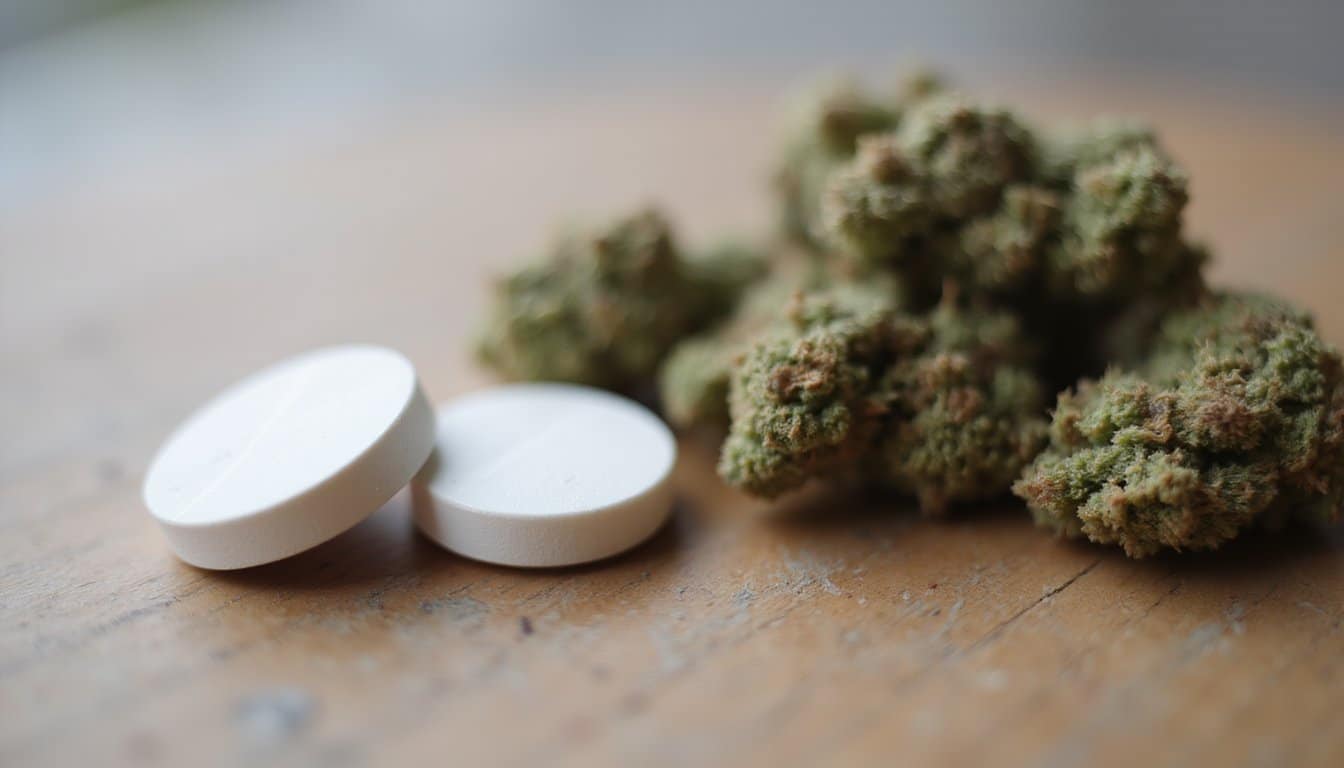



Your weed smells like ammonia because anaerobic bacteria are breaking down chlorophyll and nitrogen compounds trapped by excess moisture during improper drying or curing. This sharp, chemical odor signals that your cannabis wasn’t processed correctly, temperatures exceeded 70°F or humidity levels strayed outside the 50-60% sweet spot. You’ll want to understand the specific warning signs, safety risks, and whether your stash can be salvaged before making any decisions.
Why Does My Weed Smell Like Ammonia?
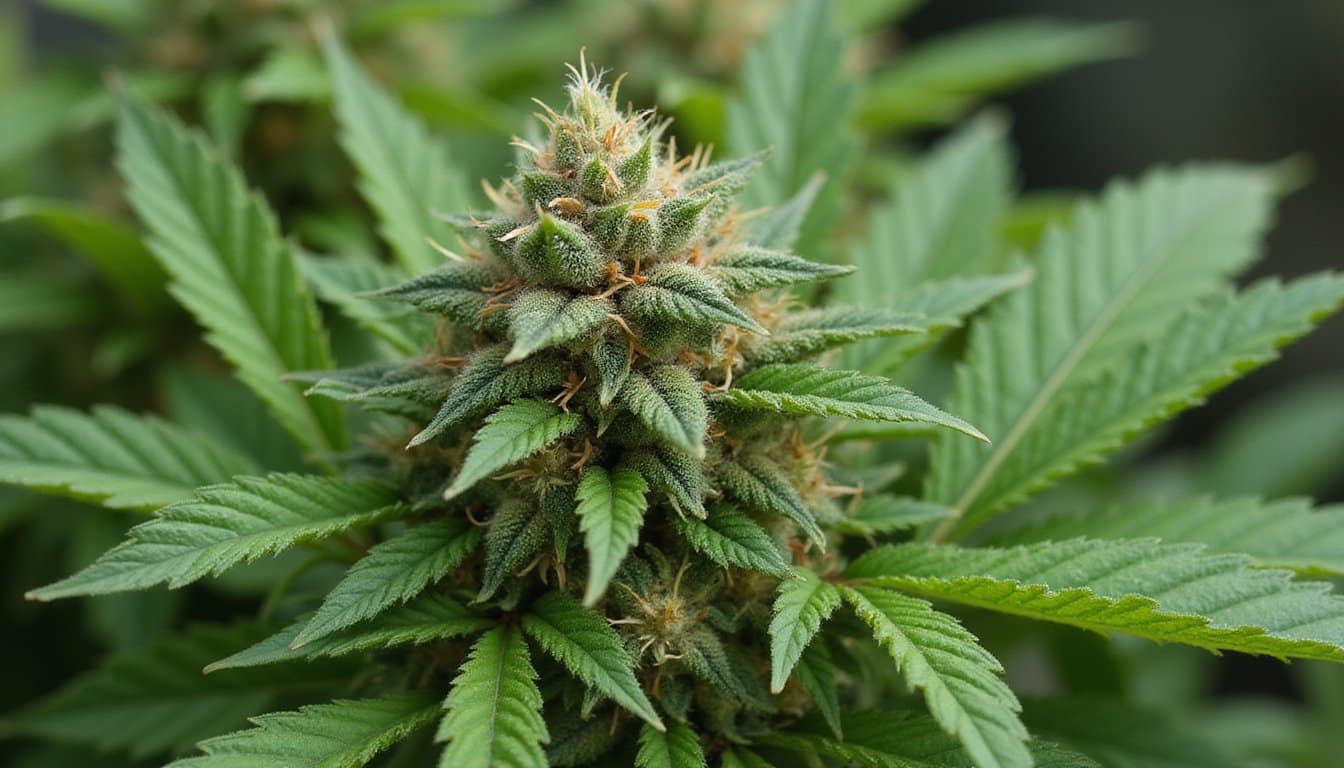
When your weed smells like ammonia instead of its typical earthy or skunky profile, you’re detecting a chemical red flag that points to one of several fixable problems. The sharp odor typically originates from improper curing, where high moisture content in marijuana flower creates anaerobic conditions that foster bacterial growth. These bacteria feed on plant material and release ammonia as a waste product. Cannabis with this odor can irritate the throat and lungs when smoked, making it potentially harmful to consume.
Your cannabis sativa may also carry excess nitrogen compounds from the growing phase, which accumulate and produce that distinctive chemical smell. High nitrogen content during cultivation is one of the primary causes of this pungent aroma in harvested buds. Additionally, chlorophyll breakdown in moist, poorly ventilated storage releases ammonia gas. Research conducted by scientists at the Chemistry and Drug Metabolism Section of the National Institute on Drug Abuse has examined various compounds in cannabis that affect its chemical profile. Whether it’s bacterial contamination, residual fertilizers, or incomplete drying, this odor signals compromised quality you shouldn’t ignore.
Ammonia vs. Mold vs. Hay: What’s That Smell?
When you notice your weed smells off, you’re detecting one of three distinct odor profiles: a sharp, chemical ammonia sting from nitrogen compound breakdown, a damp musty scent signaling active mold growth, or a dry hay-like aroma indicating improper curing. Each smell points to a different underlying cause, bacterial activity, fungal contamination, or moisture mismanagement during processing. Understanding these distinctions helps you identify the specific problem and determine whether your cannabis is salvageable or should be discarded. Mold contamination is particularly concerning because microbial issues cause over 30% of failed cannabis lab tests in the U.S. Research has found potentially harmful fungi like Aspergillus, Mucor, and Cryptococcus on cannabis samples from dispensaries and growers. If you detect that sharp chemical tang that stings the nose, it’s a warning sign that your cannabis may have developed mold or experienced bacterial decomposition during storage.
Identifying Each Distinct Odor
Because cannabis aroma directly reflects its chemical state and storage history, learning to distinguish ammonia from mold and hay smells gives you a practical diagnostic tool before you ever light up. Each odor signals distinct degradation pathways affecting tetrahydrocannabinol and cannabidiol stability, terpenes integrity, and potential microbial contamination. Understanding why weed smell like hay can help you identify improper curing techniques that may have compromised the quality of the cannabis. Similarly, if you notice a strong hay scent, it might indicate exposure to excessive heat or humidity during storage, which can further degrade the cannabinoids. By recognizing these odors, you can make more informed choices about the products you consume.
| Odor Type | Primary Cause | Key Risk Indicators |
|---|---|---|
| Ammonia | Anaerobic bacterial growth from excess moisture | Sharp chemical burn, throat irritation |
| Mold | Fungal colonization (aspergillus, penicillium) | Mold spores, mycotoxin exposure, respiratory harm |
| Hay | Chlorophyll retention from rushed curing | Reduced potency, harsh smoke |
You’ll notice ammonia dominates as an artificial, cleaner-like sharpness, while mold presents damp mustiness. Hay smells grassy without chemical undertones. Trust your nose, it’s detecting real biochemical breakdown. If you detect chemical odors resembling gasoline or solvents alongside ammonia, this could indicate intentional contamination rather than natural degradation. When properly cultivated, dried, cured, and stored, cannabis should display a balanced and identifiable terpene profile rather than these warning odors.
Causes Behind Different Smells
Why does your cannabis smell off, and what’s actually causing it? The answer lies in plant metabolism and post-harvest handling. When soil nutrients leave excess nitrogen or fertilizer salts accumulate, your buds retain compounds that bacteria convert to ammonia during improper storage.
- Ammonia smell: Anaerobic bacteria thrive when the curing process traps moisture, releasing volatile organic compounds that smell like cat urine
- Hay smell: A rushed drying process locks in chlorophyll before it breaks down, producing grassy notes
- Mold smell: High humidity triggers fungal growth, creating musty odors that signal spore contamination
- Chemical undertones: Residual fertilizer salts intensify off-putting scents during degradation
These odors don’t directly affect your endocannabinoid system, but they indicate contamination that compromises safety and quality. If your cannabis smells like toxic ammonia, it’s a clear warning sign that you shouldn’t consume it.
Is It Safe to Smoke Weed That Smells Like Ammonia?
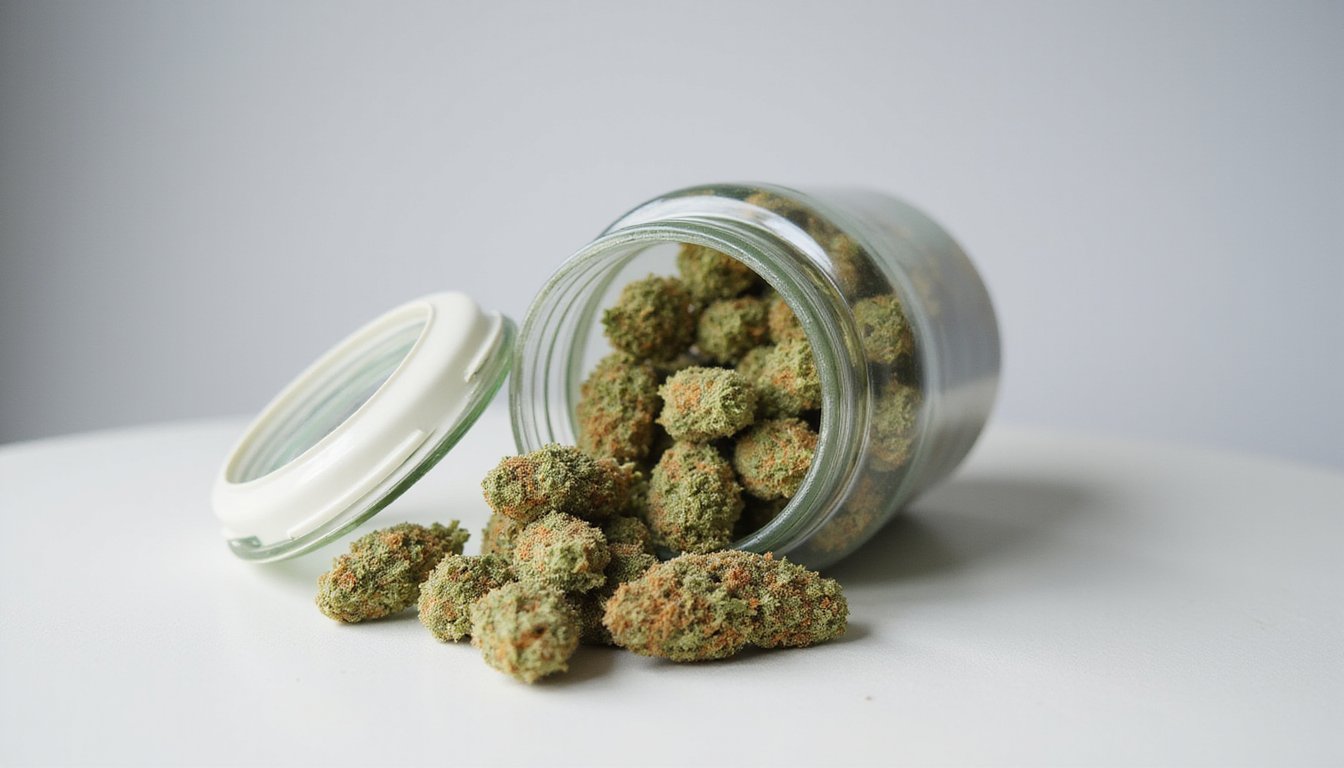
Although the distinct skunky or earthy aroma of properly cured cannabis comes from terpenes and sulfur compounds, an ammonia-like odor signals a fundamentally different chemical reality, one that poses measurable health risks. exploring unique cannabis aroma profiles can lead to a deeper understanding of the plant’s medicinal properties. By examining how different terpenes contribute to these scents, researchers can identify potential therapeutic benefits. This knowledge may not only enhance consumer experiences but also inform safer cultivation practices.
When you detect a cat urine odor or ammonia like smell, bacterial activity and mold development have likely compromised the product. Ammonia vapor exposure during inhalation causes immediate inhalation irritation cannabis users often describe as harsh burning in the throat and lungs. An ammonia or urine-like smell often means improper curing during the drying process. Research published in ACS Chemical Research in Toxicology found that marijuana smoke naturally contains ammonia levels 20 times higher than tobacco smoke, making additional ammonia exposure from contaminated cannabis even more concerning. This raises concerns not only about the health effects of inhaling ammonia but also about the potential implications for drug testing. Will smelling weed impact drug tests is a question that many casual users may wonder, especially in environments where marijuana is becoming more accepted. It is important to understand that while passive exposure may not result in positive tests, it can still cause a range of reactions and complications for those already sensitive to its compounds.
| Unsafe Cannabis Indicators | Health Risk | Action Required |
|---|---|---|
| Ammonia/chemical smell | Respiratory irritation, headaches | Discard immediately |
| Visible mold or fuzz | Lung infections, allergic reactions | Do not consume |
| Musty or damp odor | Bacterial contamination | Return to dispensary |
Discard any product exhibiting these warning signs.
Signs Your Cannabis Wasn’t Dried or Cured Right
Recognizing unsafe cannabis before you smoke it requires understanding what improper drying and curing actually does to the plant at a chemical level. Incomplete drying traps moisture inside buds, triggering chlorophyll breakdown that produces harsh, grassy flavors. This environment accelerates microbial growth, including bacteria that release ammonia as a metabolic byproduct.
Terpene degradation occurs rapidly when temperatures exceed 70°F or humidity falls outside the 50-60% range. You’ll lose up to 25% of aromatic compounds like myrcene, limonene, and pinene, the molecules responsible for cannabis’s characteristic scent profiles. The entourage effect that creates cannabis’s full therapeutic and sensory experience becomes compromised when these terpenes degrade alongside cannabinoids during improper curing.
Key warning signs to identify:
- Buds feel spongy or bend without snapping cleanly
- Visible condensation forms inside storage containers
- Smoke burns unevenly or produces excessive harshness
- Ammonia or strong vegetal odors overpower typical terpene aromas
Cannabis that was dried too quickly often has an exterior that appears ready while the interior remains damp, creating ideal conditions for mold and bacteria to flourish. Investing in a hygrometer to monitor humidity levels throughout the drying process helps prevent these dangerous conditions from developing in the first place.
Can You Fix Weed That Smells Like Ammonia?
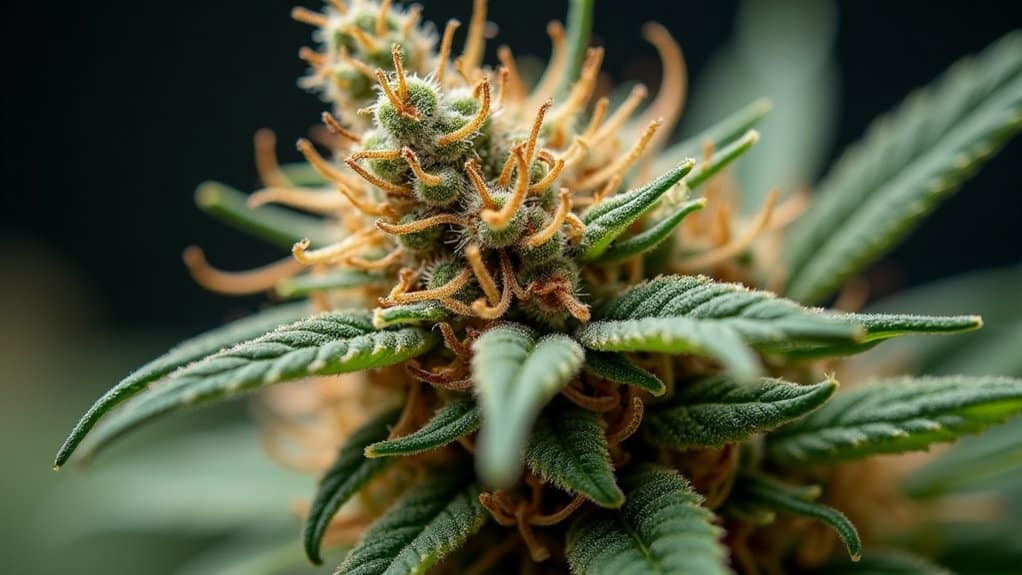
Most cannabis that develops an ammonia smell can still be salvaged if you catch the problem early and the contamination hasn’t progressed to visible mold or bacterial overgrowth.
The ammonia odor cause typically stems from nitrogen buildup within improperly dried buds. When excess nitrogen feeding occurs during cultivation, fertilizer residue remains in plant tissue. Poor storage conditions then trigger volatilization, releasing ammonia through off gassing as microbes break down nitrogen-rich compounds. Bacterial growth can thrive in environments with high moisture levels or poor air circulation, accelerating this decomposition process.
To fix this, remove affected buds from sealed containers immediately. Spread them on paper towels in a well-ventilated area for additional drying. Once the exterior feels dry, place buds in clean glass jars with 62% RH humidity packs. Burp daily for one to two minutes. If the sharp chemical smell persists after several days, discard the product entirely. Using activated charcoal pouches near your storage area can help absorb lingering ammonia odors during the remediation process.
Ammonia-Smelling Weed: Toss It or Keep Curing?
When you open a curing jar and detect a sharp, chemical odor resembling cat urine or household cleaners, you’re facing a critical decision point that hinges on bacterial activity levels within your buds. Your olfactory receptors are detecting ammonia produced by anaerobic bacteria thriving in improper storage humidity conditions. This microbial contamination cannabis warning shouldn’t be ignored.
Evaluate these factors before deciding:
- Odor intensity: Faint ammonia may improve with extended burping; strong chemical notes indicate irreversible damage
- Heat exposure history: Elevated temperatures accelerate bacterial growth and ammonia odor cause compounds
- Visual inspection: Check for mold, discoloration, or slimy textures alongside the smell
- Airtight containers condition: Ensure proper sealing hasn’t trapped excessive moisture
If ammonia persists after 48 hours of corrective burping, discard the product. Smoking contaminated buds causes respiratory irritation and potential health risks.
How to Prevent Weed From Smelling Like Ammonia
You can prevent ammonia odors by controlling three critical variables during post-harvest processing: drying speed, jar ventilation, and moisture content. Slow-drying your buds at 60, 70°F with 45, 55% humidity for 5, 10 days stops bacterial overgrowth before it starts, while daily jar burping releases trapped moisture that would otherwise fuel anaerobic decomposition. Maintaining 58, 62% relative humidity inside your curing jars, tracked with a hygrometer, keeps conditions inhospitable to the nitrogen-converting bacteria responsible for that sharp chemical smell.
Proper Drying Techniques
Because ammonia odors typically develop when moisture, warmth, and poor airflow allow anaerobic bacteria to break down nitrogen-rich plant matter, controlling your drying environment is the most effective prevention strategy. Ideal temperature control at 65-70°F prevents terpene loss cannabis growers often overlook, while optimum humidity levels between 50-55% stop microbial proliferation.
You’ll need consistent airflow and ventilation using oscillating fans on low speed combined with fresh, filtered air exchange. Cleanliness and sterilization matter, wipe surfaces with hydrogen peroxide and consider UVC lights to eliminate spores.
- Maintain 68°F to preserve myrcene and prevent chlorophyll retention
- Keep humidity at 50-55% to block bacterial ammonia production
- Use rack drying for uniform moisture evaporation over 10-30 days
- Clean spaces thoroughly to reduce nitrogen toxicity in cannabis from residual fertilizers
Effective Jar Burping
Jar burping kicks off the curing phase by releasing trapped gases and excess moisture that would otherwise fuel anaerobic bacterial growth, the direct cause of ammonia odors in improperly stored cannabis. During the first week, you’ll burp jars twice daily for 15-30 minutes, allowing oxygen exchange that prevents that sharp chemical scent from developing.
For effective humidity control cannabis requires consistent monitoring. Place digital hygrometers in each jar, targeting 58-62% RH. If you detect a pungent aroma or acrid smell upon opening, your drying cannabis buds remain too wet, remove them immediately and extend drying time.
Fill jars only 70-75% full to guarantee adequate airflow. Gently shake containers during burping to distribute moisture evenly. This prevents the nasal irritation and sensory perception issues associated with contaminated flower while preserving terpene integrity.
Monitor Humidity Levels
When humidity levels drift outside precise targets, the same anaerobic bacteria responsible for ammonia odors find ideal conditions to thrive, making consistent monitoring your most reliable defense. For safe cannabis storage, maintain 59, 63% RH at room temperature. Exceeding 63% RH triggers oxidation and creates moldy weed symptoms, while dropping below 59% accelerates terpene loss and chlorophyll smell cannabis issues.
- Use hygrometers in every storage container to detect spikes signaling storage mistakes marijuana cultivators commonly make
- Integrate 2-way humidity packs for automatic bidirectional moisture control during curing marijuana correctly
- Monitor VPD rather than RH alone to prevent fertilizer burn cannabis residues from off-gassing
- Adjust targets by temperature, at 75°F, reduce to 59, 60% RH; at 80°F, use 56, 58% packs
Precise humidity control eliminates conditions where ammonia-producing bacteria multiply.
If you or a loved one is struggling with marijuana addiction, you don’t have to face it alone. Florida Addiction Resource LLC is here to connect you with trusted treatment providers across Florida. Whether you need cannabis detox treatment programs, residential care, outpatient services, or ongoing recovery support, we’ll help you access the right resources. Ready to take the next step? Contact us at (561) 562-4336 to discover the care that’s right for you.
Frequently Asked Questions
Does Ammonia-Smelling Weed Still Contain the Same THC Levels?
Yes, ammonia-smelling weed can still contain comparable THC levels. THC’s molecular structure (C21H30O2) doesn’t include nitrogen, so ammonia production from bacterial breakdown or excess nitrogen fertilizers doesn’t directly degrade the cannabinoid. However, you’re facing a quality trade-off: the odor signals improper curing, potential microbial contamination, or chemical residues that pose respiratory risks. You’ll get THC, but you’re also inhaling harmful byproducts, making potency irrelevant if safety’s compromised.
Can Ammonia Odor in Cannabis Trigger Asthma Attacks or Allergic Reactions?
Yes, ammonia-odor cannabis can trigger asthma attacks and allergic reactions. You’re inhaling irritants, ammonia gas, mold spores, and bacterial byproducts, that inflame your airways and activate immune responses. Studies show ammonia irritates mucous membranes above 25 ppm, while accompanying mold releases spores and mycotoxins that provoke allergic symptoms. If you have asthma or respiratory sensitivity, you’ll face heightened risks for bronchospasm, wheezing, and infection. Discard ammonia-scented product immediately.
How Long Does Ammonia Smell Take to Leave Your System After Smoking?
Your body clears inhaled ammonia irritants from your respiratory tract within minutes to hours, as mucociliary clearance sweeps particles out. However, plasma ammonia peaks at 90 minutes post-smoking and returns to baseline within several hours. THC itself persists longer, detectable in blood up to 12 hours, with a half-life of 1.3, 13 days depending on use frequency. The ammonia smell on breath and clothing typically dissipates within 2, 6 hours with ventilation.
Will Dispensaries Accept Returns for Weed That Smells Like Ammonia?
Many dispensaries accept returns for defective products, including cannabis that smells like ammonia, since this odor signals potential contamination or improper curing. You’ll need your receipt and original packaging to process the return. State regulations vary, California requires dispensaries to destroy or return defective products to distributors rather than resell them. Contact your dispensary directly, explain the quality issue, and document the unusual smell before your visit to strengthen your case.
Does Vacuum Sealing Cannabis Prevent or Worsen Ammonia Smell Development?
Vacuum sealing prevents ammonia development only if you’ve dried your cannabis to 62-65% relative humidity first. When you seal properly cured buds, you eliminate oxygen and halt the microbial activity that produces ammonia. However, if you vacuum seal buds that are still too wet, you’ll trap moisture and create anaerobic conditions where bacteria thrive and generate ammonia. Always verify humidity levels before sealing to avoid worsening the problem.