


If you’re watching sugar, cocktails hide the most. A piña colada can pack 40 grams per serving, while margaritas reach 36 grams and Long Island iced tea holds 33 grams. Mixers usually drive the total vodka and cranberry delivers around 35 grams, and tonic water alone adds 18. Premixed cans and liqueurs like Kahlúa aren’t far behind. But sugar’s only half the story, and what’s next reveals the rest.
Key Takeaways
- Piña coladas hide the most sugar, delivering up to 40 grams per 8-ounce serving from coconut cream and pineapple juice.
- Margaritas (36g), Long Island iced tea (33g), and mai tais (32g) rank among the sugariest cocktails from syrups and liqueurs.
- Mixers hide much of the sugar, with vodka and cranberry reaching 35 grams and gin and tonic adding 18 grams.
- Liqueurs and premixed drinks conceal manufacturing sugar, like Kahlúa (35g per 50ml) and hard lemonade cans (30, 40g per 355ml).
- Sweetness masks alcohol strength, letting drinks like Long Island iced tea hide multiple shots behind 33 grams of sugar.
Which alcoholic drinks contain the most sugar
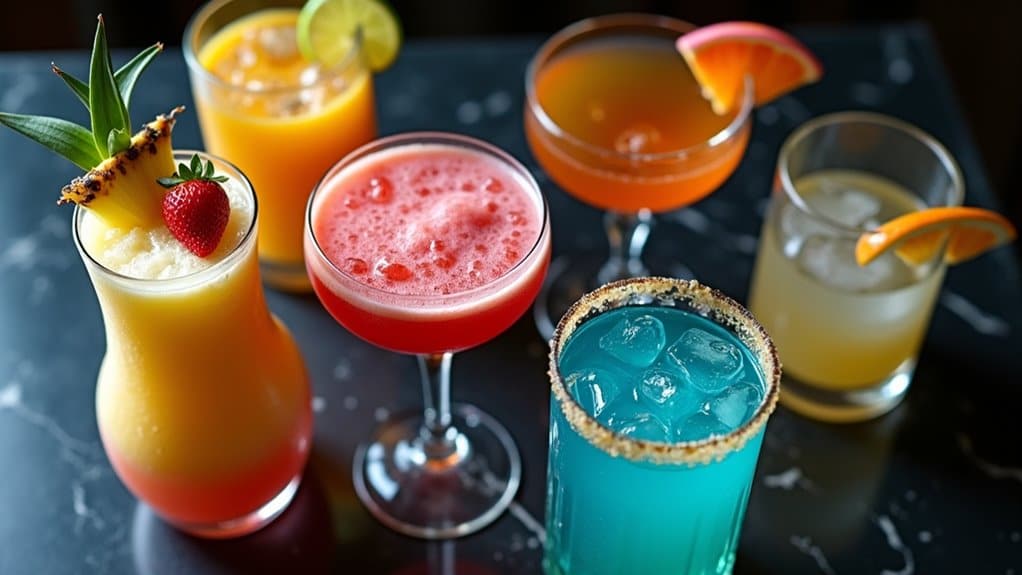
Piña coladas contain the most sugar of any cocktail, delivering up to 40 grams of sugar per 8-ounce serving from coconut cream and pineapple juice. Margaritas follow closely at 36 grams, thanks to triple sec and added syrups. If you’re reaching for a Mai Tai, you’re consuming roughly 32 grams from syrups and juices, while strawberry daiquiris hold at least 30 grams per serving. Don’t overlook Long Island iced tea, which reaches 33 grams from sweet liqueurs and cola. These drinks conceal significant sugar behind fruity, invigorating flavors, making it easy to exceed your daily free sugar intake in a single glass. These numbers help you make smarter, health-conscious choices when you’re ordering your next drink.
Why cocktails and mixers are often the biggest sugar source
Mixers do the heavy lifting in most cocktails, so they’re often where the sugar hides. When you order a gin and tonic, the tonic water alone adds up to 18 grams of sugar. A vodka and cranberry delivers more than seven teaspoons, roughly 35 grams. Rum and cola contributes 19 grams per 8-ounce serving. The spirit itself isn’t usually the problem; it’s the syrups, sodas, juices, and cordials you combine with it. Triple sec adds 19 grams per ounce, which is why Cosmopolitans and Margaritas rank so high. A sugar-rimmed glass pushes totals even higher. When you stack multiple sweet components, liqueur, juice, soda, and syrup, into one drink, you’re consuming far more sugar than you’d expect, often exceeding your daily recommended intake.
How liqueurs, dessert wines, and premixed drinks compare

Liqueurs, dessert wines, and premixed drinks carry sugar built right in, unlike cocktails that hide it in their mixers. These categories concentrate sugar at the source, so you’re consuming it whether or not you add anything else.
| Category | Example | Sugar Content |
|---|---|---|
| Liqueur | Kahlúa | Up to 35g per 50ml |
| Liqueur | Triple Sec | 19g per ounce |
| Dessert wine | Port | Over 20g per serving |
| Sweet wine | Moscato | 10, 20g per 5oz |
| Premixed | Hard lemonade | 30, 40g per 355ml can |
Liqueurs top the list because producers sweeten them during manufacturing. Dessert and fortified wines follow, exceeding 20 grams per serving. Premixed options prove especially deceptive. One 700ml pack can pack over 15 teaspoons of sugar, hiding it behind convenient packaging you’d never suspect.
Why straight spirits have little sugar but still carry alcohol risk
Straight spirits like vodka, gin, whiskey, and tequila contain virtually none of the sugar found in liqueurs and premixed drinks, yet they still carry alcohol risk. When you drink them neat or on the rocks, you’re consuming alcohol without the added sugars found in cordials, sweet wines, and ready-to-drink cocktails. But zero sugar doesn’t mean zero risk. Alcohol itself carries significant health consequences regardless of sweetness. It delivers empty calories, strains your liver, and raises your risk of dependency, high blood pressure, and certain cancers. You might assume a low-sugar spirit is automatically healthier, but the ethanol still affects your body the same way. The moment you add tonic, cola, cranberry juice, or triple sec, though, you reintroduce the sugar you’d initially avoided, compounding both risks together.
Why low-sugar doesn’t mean low-risk

Low-sugar doesn’t mean low-risk because the label only addresses one part of the equation. When you choose a straight spirit or a dry wine, you’re cutting sugar, not alcohol. The ethanol itself carries the risks that matter most, and those don’t drop just because your drink isn’t sweet.
- Alcohol content stays high: A low-sugar spirit can still deliver a full dose of ethanol per pour.
- Calories persist: Alcohol provides 7 calories per gram, regardless of sugar.
- Health risks remain: Liver strain, impaired judgment, and long-term disease link to ethanol, not sweetness.
- Overconsumption risk: “Low-sugar” framing can encourage you to drink more, offsetting any benefit.
Focus on total alcohol, not just sugar.
How sugary mixers can mask how much alcohol you’re drinking
A drink loaded with sugar hides its alcohol because sweetness masks the sharp taste of spirits, so you don’t notice how strong your drink actually is. Take a vodka and cranberry: with more than seven teaspoons of sugar (roughly 35 grams), the cranberry juice smooths over the alcohol’s bite, making it easy to drink quickly. The same happens with a Long Island iced tea, where cola and sweet liqueurs conceal multiple shots behind 33 grams of sugar. Because you can’t taste the alcohol, you tend to sip faster and order more. Pre-mixed cocktails and rum and cola work the same way, blending 19 grams of sugar with potent spirits. When sweetness hides the strength, you lose track of exactly how much you’re consuming.
How Florida Addiction Resource helps people who want to cut back
Florida Addiction Resource helps people who want to cut back by meeting you at the point where you’ve lost track of your intake and are ready for change. You don’t need a crisis to reach out, recognizing that sugary cocktails have masked how much you’re actually drinking is enough. The team helps you assess your patterns, understand the physical toll of both alcohol and hidden sugar, and build a realistic plan to cut back.
- Personalized assessments that identify your triggers and drinking patterns
- Evidence-based counseling focused on sustainable reduction, not just abstinence
- Nutritional guidance addressing sugar’s role in cravings and energy crashes
- Ongoing support connecting you to local Florida resources and peer networks
You get practical tools, measurable goals, and steady support throughout your progress.
Take Control of Your Drinking Habits
Take the first step toward a healthier, alcohol-free life start your detox journey today. Cutting back on alcohol can be difficult when drinking has become part of your routine or when sweet cocktails make it harder to track how much you consume. Florida Addiction Resource can connect you with confidential support and treatment resources based on your needs.
Verify your insurance to review available coverage, or call +1 (561) 562-4336 to discuss options for reducing or stopping alcohol use.
Frequently Asked Questions
How Does Alcohol Sugar Affect Blood Sugar in People With Diabetes?
Sugary alcoholic drinks can spike your blood sugar quickly, since liqueurs, mixers, and cocktails pack significant added sugar. But alcohol itself complicates things it can lower your blood sugar hours later by blocking your liver’s glucose release. So you’re facing a double risk: an initial spike from the sugar, then a delayed drop. If you’re managing diabetes, you’ll want to monitor closely, limit high-sugar options, and never drink on an empty stomach.
Are There Naturally Low-Sugar Cocktails I Can Order at Bars?
Yes, you’ve got solid low-sugar options. Order dry wines, which contain less than 1, 2 grams of sugar per liter, instead of sweet or fortified varieties like Port or Moscato. Skip sugary mixers tonic water adds up to 18 grams, and cranberry juice hides roughly 35 grams. Ask for spirits with soda water or a splash of citrus. You’ll dodge the liqueurs, syrups, and sugar-rimmed glasses that pack in hidden sugar.
Does the Alcohol Type Affect How the Body Processes Sugar?
The alcohol type itself doesn’t change how your body processes sugar, but the sugar that comes with different drinks does. Your liver prioritizes metabolizing alcohol first, which can delay how you handle the accompanying sugars. When you choose sweetened spirits like liqueurs or pre-mixed cocktails, you’re loading up on added sugar alongside the alcohol. Sticking to dry wines or spirits with sugar-free mixers keeps your total sugar intake much lower.
How Many Calories Come From Sugar Versus Alcohol in Cocktails?
You’ll find calories come from both sources, but they add up differently. Sugar delivers 4 calories per gram, so a piña colada’s 40 grams contributes about 160 calories from sugar alone. Alcohol packs more punch at 7 calories per gram. In a Cosmopolitan’s 19 grams of sugar, you’re looking at roughly 76 sugar-derived calories, while the spirits drive the rest. You can’t ignore either when counting your intake.
Can Drinking Sugary Alcohol Worsen Hangovers the Next Day?
Yes, sugary alcohol can worsen your hangover the next day. When you drink high-sugar cocktails like piña coladas or margaritas, you’re combining alcohol’s dehydrating effects with rapid blood sugar spikes and crashes. This double hit can intensify headaches, fatigue, and nausea. You’ll also feel worse because sweet drinks often mask alcohol’s taste, leading you to consume more. To protect yourself, choose lower-sugar options and hydrate well between drinks.