




A microdose of shroom chocolate typically contains 0.1, 0.3 grams of psilocybin mushrooms, producing subtle mood enhancement without perceptual changes. A full dose ranges from 2, 3 grams, triggering pronounced visual effects and emotional shifts lasting 4, 8 hours. Anything beyond 3 grams enters high-dose territory, where you’ll face increased risks of anxiety, paranoia, and unpredictable reactions. Unregulated chocolate bars often distribute psilocybin unevenly, making accurate dosing difficult, understanding these variables helps you navigate safer consumption.
What Counts as a Microdose in Shroom Chocolate?
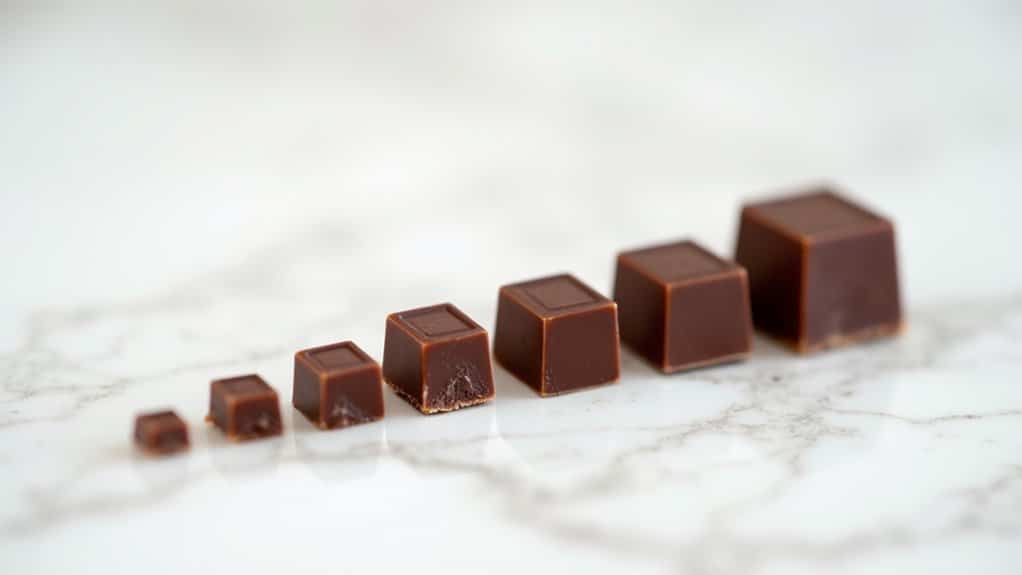
A microdose of psilocybin in shroom chocolate typically falls between 50 mcg and 1,000 mcg of the active compound, which translates to roughly 0.1 g to 0.3 g of dried psilocybin-containing mushrooms. When consulting any shroom dose chart, you’ll notice microdose chocolate bars contain one-tenth or less of a full dose.
Understanding your psilocybin chocolate dose matters because labeled vs actual strength can vary noticeably. A standard mushroom chocolate dose for microdosing shouldn’t produce psychedelic effects, you’ll feel happier, focused, and less anxious without perceptual changes. Beginner sensitivity increases anxiety risk if you accidentally exceed this threshold. For harm reduction dosing, start with the lowest recommended amount on microdosing chocolate bars. Tolerance develops quickly, lasting up to three weeks, which affects redosing risk. Psilocybin gummies from reliable manufacturers offer consistent psilocybin quantities, which takes the guesswork out of dosing compared to homemade alternatives. Any product exceeding 1,000 mcg per piece cannot be classified as a microdose, so always check labels carefully before consumption. Microdosers can take psilocybin orally in various forms, including mushrooms, tea, gummies, and capsules, making shroom chocolate just one of many delivery methods available.
Low-Dose Shroom Chocolate for Social Settings
When you’re considering shroom chocolate for social gatherings, low doses offer potential mood enhancement without the perceptual distortions associated with full psychedelic experiences. Survey data indicates users report improved mood, enhanced social empathy, and reduced anxiety at approximately one-tenth of a standard dose. You may experience increased energy and focus while maintaining normal sensory perception. A typical microdose ranges from 0.1 to 0.3 grams of mushrooms, which puts too little psilocybin in the brain to produce a full psychedelic experience.
Pre-calibrated chocolate edibles simplify dosing accuracy, and the chocolate matrix provides a smoother onset through gradual digestion. However, unpredictable potency remains a significant concern, bars vary in strength, increasing accidental overdose risk. Since shroom bars are typically made in informal or underground settings, the quality and safety of the ingredients can’t be guaranteed. As interest in mushroom chocolate bars grows, many consumers are seeking reliable sources and reputable manufacturers to ensure product safety. Furthermore, awareness of potential side effects and interactions with other substances is crucial for anyone considering trying these innovative edibles. Educating users on safe consumption practices can help mitigate risks associated with their use.
To minimize adverse outcomes, start with the lowest available dose and avoid redosing. Choose familiar environments and don’t mix with other substances. Keep products clearly labeled and secured away from children, pets, and unaware individuals. Even low doses don’t eliminate bad trip potential entirely, and roughly one-third of users experience nausea or gastrointestinal upset regardless of dose size.
Full-Dose Shroom Chocolate: What 2, 3 Grams Feels Like
At a full dose of 2, 3 grams, you’ll likely experience pronounced visual effects, including geometric patterns, vivid color enhancement, and perceptual distortions that peak between 1, 3 hours after consumption. The total experience typically lasts 4, 8 hours, with intensity varying based on individual sensitivity, stomach contents, and the chocolate bar’s actual psilocybin concentration. You should expect significant alterations in sensory perception and emotional processing throughout this extended duration. Many users also report spiritual or mystical experiences, including a profound sense of unity with the universe during the peak phase. These effects occur because psilocybin interacts with serotonin receptors in the brain, particularly the 5-HT2A receptor, inducing significant neurochemical changes. Beyond its impact on serotonin, psilocybin also decreases pro-inflammatory cytokines like IL-1β, IL-6, and TNF-α, which may contribute to its therapeutic potential for mental health conditions.
Peak Visual Effects
Full-dose shroom chocolate containing 2, 3 grams of psilocybin mushrooms produces pronounced visual hallucinations that peak between one and three hours after ingestion. You’ll notice patterns, colors, and shapes that don’t exist in reality. Open-eye visuals typically include breathing walls or melting objects, while closed-eye imagery features vivid, evolving geometric landscapes.
During peak effects, you’ll experience heightened light sensitivity alongside intensifying visual distortions. Your pupils will dilate noticeably. Sensory blending, known as synesthesia, may cause you to perceive sounds as colors or feel tactile sensations merge with visual phenomena.
These visual effects don’t occur in isolation. You’ll likely experience emotional-visual fusion, where profound introspection and feelings of unity accompany the imagery. Individual sensitivity varies vastly, meaning identical doses can produce overwhelming experiences for some while remaining manageable for others.
Duration and Intensity
Beyond the visual phenomena, understanding how long these effects persist helps you plan your experience safely. At 2, 3 grams, you’ll experience the most intense effects during the 1, 3 hour window, with peak intensity occurring 2, 3 hours post-ingestion.
| Phase | Timeframe | What to Expect |
|---|---|---|
| Onset | 20, 60 minutes | Initial effects emerge; nausea possible |
| Peak | 1, 3 hours | Maximum intensity; strongest visuals and cognitive shifts |
| Afterglow | 6, 12 hours | Residual calm, fatigue, or reflective state |
Total noticeable effects last 4, 6 hours, though emotional residue may linger longer. Chocolate’s fats slightly accelerate absorption compared to raw mushrooms. Physical sensations during peak include increased heart rate, sweating, and dilated pupils. During this experience, psilocybin is converted to psilocin, which interacts with serotonin receptors in the brain to produce these profound effects. Some users also experience muscle weakness or tremors that may temporarily impair coordination during the peak phase. During the peak phase, users may also experience auditory hallucinations that can contribute to either the euphoric or overwhelming nature of the trip. Plan for 6+ hours before driving or operating machinery.
High-Dose Shroom Chocolate: What Happens Beyond 3 Grams
Taking more than 3 grams of psilocybin mushrooms in chocolate form crosses into high-dose territory, where effects become dramatically more intense and unpredictable. You’ll experience profound perceptual distortions, including intense visual and auditory hallucinations that drastically alter your sense of reality, time, and self.
At this level, you’re likely to encounter:
- Severe nausea, heightened heart rate, and increased body temperature
- Paranoia, anxiety, or panic reactions during peak intensity
- Muscle weakness and impaired coordination lasting 4-6 hours or longer
- Risk of acute psychosis, particularly with larger doses
Medical risks escalate considerably. Seizures and kidney failure become possible. Unregulated chocolate bars vary greatly in psilocybin content, making accidental overdose a genuine concern. Because these bars are poorly regulated, they may contain unlisted adulterants that compound the dangers at high doses. These products are not FDA-approved and may contain unspecified or completely unknown ingredients that increase toxicity risks. If you have cardiovascular conditions, these doses pose serious health threats. Additionally, procuring these substances carries significant legal risks as Schedule I drugs, which adds another layer of danger beyond the physical effects.
How Much Shroom Chocolate Is Too Much?
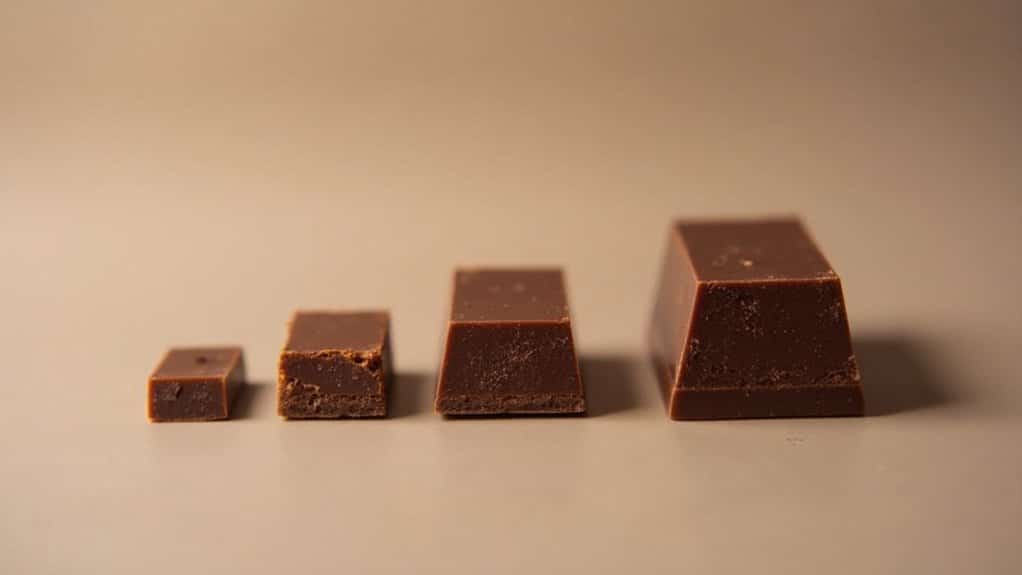
You’ll recognize you’ve taken too much when severe nausea, panic, or intense psychological reactions set in, symptoms that signal your body and mind are overwhelmed. Doses exceeding 40 mg of psilocybin enter dangerous territory, particularly if you have preexisting mental health conditions or have combined substances. The challenge of verifying potency with unregulated products makes it even harder to know exactly how much psilocybin you’re actually consuming. Understanding these thresholds helps you identify when consumption has crossed from intentional experience into risky overdose territory.
Signs You’ve Overdone It
Occasionally, even experienced users misjudge the potency of shroom chocolate and consume more psilocybin than intended. Recognizing overconsumption early helps you respond appropriately and seek assistance if necessary.
Watch for these key indicators:
- Psychological distress: You’re experiencing severe anxiety, paranoia, or confusion that feels unmanageable.
- Physical symptoms: You notice nausea, vomiting, rapid heartbeat, or excessive sweating.
- Perceptual disruption: You’re having intense hallucinations or complete disorientation from reality.
- Behavioral changes: You can’t stay calm, your judgment feels impaired, or you’re acting irrationally.
Effects typically persist for four to six hours. If you’re experiencing psychosis, seizures, or loss of consciousness, seek emergency medical care immediately. Don’t attempt to “ride it out” when symptoms suggest a serious adverse reaction.
Dangerous Dosage Thresholds
Knowing when you’ve overdone it matters, but understanding where dangerous thresholds begin can help you avoid reaching that point entirely. Clinical research classifies doses above 40 mg psilocybin as very high, with 30-40 mg considered high dose territory. Safe clinical trials cap exposure at 25 mg for healthy individuals, roughly equivalent to 0.3 mg/kg body weight.
The real danger lies in unregulated chocolate bars with inconsistent potency. You can’t reliably predict psilocybin content per piece, making accidental high-dose exposure a genuine risk. Vulnerable individuals face potential psychotic episodes at unpredictable thresholds, particularly when combining substances or managing preexisting conditions. Moreover, many users wonder how long are mushroom chocolate bars safe to eat, as proper storage plays a crucial role in maintaining their integrity. While most will have a shelf life similar to regular chocolate, factors such as exposure to light and heat can significantly reduce their potency and safety. It’s essential to always check for any signs of spoilage before consuming these products, especially when purchasing from less reputable sources.
Body weight matters extensively. A 20,000 mcg dose warrants caution for anyone under 100 pounds. True overdose remains rare, but psychological distress escalates substantially beyond established safety parameters.
Panic, Nausea, and Other Signs You’ve Overdone It
When psilocybin intake exceeds your tolerance threshold, your body and mind will signal distress through recognizable patterns. You’ll likely experience psychological symptoms first, severe anxiety, paranoia, or disorientation that makes distinguishing reality difficult.
Physical manifestations typically follow a predictable progression:
- Gastrointestinal distress: Intense nausea, vomiting, and abdominal cramping during onset
- Cardiovascular changes: Heightened heart rate and blood pressure, potentially dangerous with pre-existing conditions
- Thermoregulatory dysfunction: Excessive sweating, chills, and flushed skin
- Motor impairment: Muscle weakness, coordination loss, and dizziness
If you experience seizures, respiratory difficulty, or decreased consciousness, you’re facing a medical emergency. Don’t attempt to manage severe symptoms alone. Seek immediate professional intervention when multiple concurrent symptoms present, as this indicates potentially life-threatening intoxication requiring emergency care.
Why Shroom Chocolate Bars Don’t Dose Evenly
Because psilocybin concentrations vary naturally within a single mushroom, with some portions of a cap or stem containing markedly more active compound than others, chocolate bars made from ground fungi inherit this inconsistency at the molecular level. When manufacturers grind small batches without thorough homogenization, they create potency hot spots throughout the final product.
| Factor | Result |
|---|---|
| Uneven mixing during production | One square delivers mild effects; another triggers intense experiences |
| Species variability (e.g., P. azurescens vs. P. cubensis) | Up to fivefold potency differences between strains |
| Unregulated manufacturing | No quality control verifying labeled versus actual content |
You can’t reliably predict what you’re consuming. Environmental factors, improper drying, heat exposure, prolonged storage, further degrade psilocybin unevenly. Without lab verification, you’re fundamentally guessing your dose with each piece.
Shroom Chocolate vs. Dried Mushrooms: Why Dosing Differs
Although dried mushrooms and shroom chocolate bars both deliver psilocybin to your system, they don’t behave the same way once you consume them.
Key differences affecting your dose:
- Absorption timing, Chocolate’s fats and sugars slow gastric emptying, delaying onset by 30-60 minutes compared to dried mushrooms eaten plain or brewed as tea.
- Duration variations, Chocolate extends effects to 4-8 hours, while mushroom tea produces a shorter, faster-acting experience.
- Potency consistency, Dried mushrooms average approximately 1% psilocybin per gram in Psilocybe cubensis, but chocolate bars lack regulatory oversight for accurate segment dosing.
- Strain variability, Bars using Penis Envy contain higher psilocybin concentrations than those with Golden Teacher, creating unpredictable potency even at identical weights.
You can’t assume equivalent experiences from matching doses across these formats.
Empty Stomach vs. Full: How Food Changes Your Trip
When you consume shroom chocolate on an empty stomach, psilocybin converts to psilocin more rapidly, typically producing effects within 20-30 minutes with heightened intensity. Eating beforehand slows gastric emptying, delaying onset to 30-120 minutes and often reducing the trip’s overall strength. Your food intake directly influences how quickly and powerfully you’ll feel the effects, making timing a critical variable in dose management. When consumed on an empty stomach, psilocybin in shroom chocolate converts to psilocin more quickly, with effects often emerging within 20, 30 minutes and feeling more intense. After eating, slower gastric emptying can delay onset to 30, 120 minutes and may blunt overall strength. This variability is central to understanding how long do shroom chocolates take to kick in, as food intake directly influences both timing and perceived intensity, making it a key factor in dose awareness.
Fasting Speeds Onset
Taking shroom chocolate on an empty stomach accelerates psilocybin’s effects greatly. Without food slowing digestion, your body absorbs the compound faster, and your liver converts psilocybin to psilocin more rapidly. You’ll typically notice effects within 20-30 minutes rather than the standard 30 minutes to 2 hours.
This acceleration produces several notable changes:
- Peak experiences arrive sooner, often within the first 2 hours
- Come-up intensity increases considerably during the initial hour
- Sensory distortions and visual effects hit harder and earlier
- Overall duration may shorten despite heightened intensity
However, fasting carries risks. Nausea commonly occurs within the first hour, and low blood sugar can cause dizziness or weakness. Moderate fasting, avoiding a full meal without prolonged food restriction, offers a balanced approach to reliable onset timing.
Food Delays Effects
Everything you eat before consuming shroom chocolate directly affects how quickly psilocybin enters your bloodstream. A full stomach delays onset considerably, sometimes up to two hours, because gastric emptying slows when you’ve recently eaten. Fats and sugars in your meal prolong digestion further, and the chocolate matrix compounds this delay.
You’ll notice milder peak intensity when you consume shroom chocolate after eating. Food buffers the initial absorption rate, producing a gentler, more gradual onset. This slower release also extends your overall trip duration, though the effects won’t hit as forcefully.
The tradeoff matters: food reduces that initial wave of nausea many users experience. However, the delayed onset creates redosing risks. If you don’t feel effects within your expected window, you might take more, only to have both doses hit simultaneously.
Shroom Chocolate Tolerance: Why Your Second Dose Hits Different
Because psilocybin tolerance develops within hours of your first dose, a second dose taken during the same session won’t produce equivalent effects, even if you consume the same amount. Your body rapidly downregulates receptor sensitivity, requiring substantially higher quantities to achieve comparable results.
The chocolate matrix further complicates this by slowing gastric emptying, which alters absorption timing and perception of tolerance.
Key tolerance factors to ponder:
- Wait 60-90 minutes before evaluating effects, redosing prematurely often leads to unexpectedly intense experiences once both doses peak
- Tolerance resets within 1-2 days of cessation
- Microdosing protocols like Fadiman (1 day on, 2 days off) prevent cumulative tolerance buildup
- Product inconsistency in shroom bars creates unpredictable tolerance patterns between sessions
You’ll achieve more reliable results by spacing doses across separate days rather than stacking within one session.
Substance abuse requires professional intervention, whether you’re seeking treatment for yourself or a loved one in need of care. Florida Addiction Resource LLC facilitates connections with accredited treatment providers across Florida. Are you exploring medical detox support? Evaluating residential treatment facilities, outpatient programs, or comprehensive recovery services? Our team will assist you in identifying appropriate treatment options tailored to your specific needs. To discuss your treatment options confidentially, contact us at (561) 562-4336 we’re committed to helping you access quality care.
Frequently Asked Questions
Can I Mix Shroom Chocolate With Alcohol or Cannabis Safely?
You shouldn’t mix shroom chocolate with alcohol or cannabis safely. Combining psilocybin with alcohol intensifies dehydration, nausea, and immensely elevates your bad trip risk. You’ll also experience impaired coordination and heightened anxiety. Cannabis interactions remain poorly researched, but you’re facing potentially amplified hallucinations, paranoia, and compounded cardiovascular strain. The dosage unpredictability in chocolate bars makes these combinations particularly hazardous. You’re best avoiding polysubstance use entirely with psilocybin products.
How Long Should I Wait Between Doses to Reset My Tolerance Completely?
You should wait at least 1-2 weeks between full doses to reset your tolerance completely. Psilocybin tolerance builds rapidly, within 60-90 minutes of ingestion, and remains heightened for days. While the substance clears your body within 4-5 hours, receptor sensitivity takes longer to restore. Clinical patterns suggest 7-14 days provides ideal baseline return. Individual factors like metabolism and dosage affect this timeline, so you may need to adjust accordingly.
Is It Safe to Drive the Day After Eating Shroom Chocolate?
You shouldn’t assume you’re safe to drive the day after consuming shroom chocolate. While psilocybin’s primary effects typically last 4-6 hours, residual impairments like disorientation, altered spatial awareness, and compromised judgment can persist beyond the peak experience. Variable metabolism and inconsistent dosing in chocolate products make clearance times unpredictable. If you experienced a full psychedelic dose, wait at least 24 hours and assess your cognitive function before operating a vehicle.
Can Shroom Chocolate Interact Negatively With Antidepressants or Other Medications?
Yes, shroom chocolate can interact with antidepressants and other medications. SSRIs and SNRIs typically blunt psilocybin’s effects rather than cause dangerous reactions. While serotonin syndrome concerns exist, evidence suggests it’s unlikely with single antidepressants. However, you should exercise caution with stimulants like cocaine or MDMA, which can cause dangerous cardiovascular effects. Combining with depressants increases accident risk. You’ll want to consult your healthcare provider before mixing psilocybin with any medication.
How Should I Store Shroom Chocolate to Maintain Its Potency Long-Term?
Store your shroom chocolate in a cool, dark location between 15-20°C (59-68°F) with humidity below 55%. You’ll want to use airtight containers or vacuum-sealed bags to prevent oxidation and moisture exposure. Dark glass containers work well for blocking UV light, which degrades psilocybin compounds. For long-term storage, freezing at -20°C vastly extends potency retention. Avoid plastic cling film directly touching the chocolate, opt for foil or parchment instead.