



Yes, indica can be addictive but it’s the THC, not the strain category, that drives cannabis use disorder (CUD). About 1 in 10 users develop dependence, and that risk rises to roughly 1 in 6 with adolescent-onset use. Daily, heavy use is the strongest predictor. Watch for tolerance, cravings, failed efforts to cut down, and withdrawal like irritability or sleep problems. Understanding these warning signs early can help you recognize when it’s time to act.
Key Takeaways
- Yes, indica can be addictive because THC, its psychoactive compound, drives cannabis use disorder (CUD), regardless of strain category.
- Addiction risk depends on frequency and duration of use, not the indica-sativa distinction, with daily use being the strongest predictor.
- Lifetime dependence risk is about 9%, rising to roughly 17% (1 in 6) when use begins in adolescence.
- Warning signs include tolerance, cravings, loss of control, and continued use despite harm to work, relationships, or mental health.
- Withdrawal symptoms like irritability, insomnia, low mood, and anxiety appear 24 to 72 hours after stopping regular, heavy use.
Is indica addictive
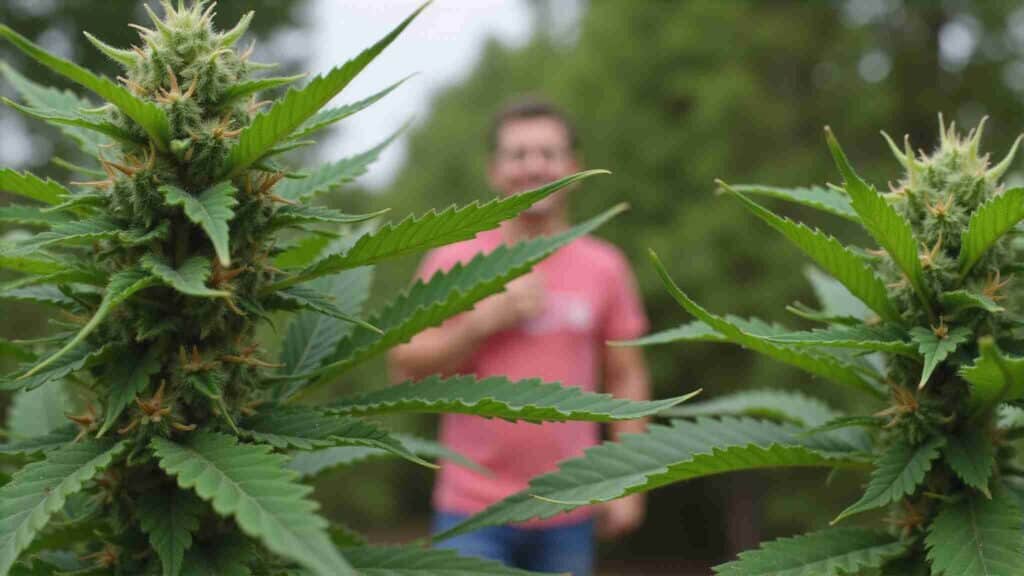
Indica can be addictive because it contains THC, the primary psychoactive compound responsible for cannabis use disorder (CUD) and physical dependence in regular users. If you use indica chronically and heavily, you face the strongest predictor for developing CUD. Estimates indicate that 22% to 30% of people who use cannabis develop the disorder, with higher rates among daily users. Your lifetime risk of dependence is approximately 9%, but it increases to about 17%, or 1 in 6, if you start during adolescence. Several factors influence your risk, including a family history of drug use and the duration of your cannabis use over time. Starting during childhood or adolescence considerably elevates your potential for addiction and long-term cognitive impairment, so you should proceed cautiously.
Why indica vs sativa is the wrong frame for addiction risk
Indica vs sativa is the wrong frame for addiction risk because the primary driver of dependence isn’t the strain category but the THC that both contain. The indica-sativa distinction reflects a plant’s growth characteristics, not its addiction potential. What actually shapes your risk are measurable, behavioral, and biological factors:
- THC potency: Higher concentrations, regardless of label, increase your likelihood of tolerance and dependence.
- Frequency and duration: Daily, chronic use predicts cannabis use disorder far more reliably than strain type.
- Age of onset: Starting in adolescence notably elevates your addiction risk.
- Personal vulnerability: Family history of substance use influences susceptibility.
What cannabis use disorder (CUD) is

Cannabis use disorder is the clinical diagnosis for a problematic pattern of cannabis use that causes significant impairment or distress. It’s not defined by which strain you choose, but by how your use affects your functioning and wellbeing. Clinicians look for specific signs: using more than you intended, unsuccessful efforts to cut down, cravings, and spending excessive time getting, using, or recovering from cannabis. You might notice you’re continuing use despite problems at work, school, or home.
Physical indicators matter too. As tolerance develops, you’ll need increased amounts to achieve the same effect. When you stop, withdrawal symptoms like irritability, sleep problems, and low mood can emerge. Estimates suggest roughly 22% to 30% of users develop CUD, with daily users facing the highest risk.
How common CUD is (about 1 in 10 users; more among daily users)
About 1 in 10 cannabis users will develop a dependence, roughly 9% across all users over their lifetime. Most people who use cannabis won’t develop a dependence, but a meaningful minority will. If you start during adolescence, that figure climbs to approximately 1 in 6 (17%). Your risk rises further with chronic, heavy daily use, which remains the strongest predictor of cannabis use disorder.
| Population | Risk Estimate | Notes |
|---|---|---|
| All users (lifetime) | ~9% | About 1 in 10 |
| Adolescent-onset users | ~17% | About 1 in 6 |
| People who develop CUD | 22%, 30% | Higher among daily users |
| Daily users | Elevated | Strongest predictor |
These numbers don’t guarantee an outcome, but they clarify where your exposure and use patterns place you.
What are the warning signs of cannabis dependence

Cannabis dependence typically emerges through measurable behavioral and physiological changes, so watch for patterns rather than isolated incidents. If you find yourself needing more Indica to feel the same effect, that’s tolerance, a documented marker of developing dependence.
- Tolerance: You need increasing amounts to achieve the same desired effect.
- Withdrawal: You experience irritability, sleep problems, low mood, restlessness, or anxiety without it.
- Loss of control: You can’t cut down despite repeated, unsuccessful attempts.
- Continued use despite harm: You keep using while it damages work, relationships, or mental health.
When these signs cluster, they suggest cannabis use disorder and warrant a clinical evaluation.
What cannabis withdrawal looks like
Cannabis withdrawal typically surfaces within 24 to 72 hours after you stop using Indica after regular, heavy use. You’ll likely notice irritability, sleep problems, and low mood as your body adjusts to the absence of THC. Restlessness and anxiety often accompany these changes, reflecting physical dependence.
These symptoms indicate a withdrawal syndrome that you can temporarily relieve by using more cannabis, a pattern that reinforces continued dependence. Tolerance plays a role here, since you’ve required increased amounts over time to achieve the same effect.
Withdrawal isn’t typically life-threatening, but it can disrupt your daily functioning and make cessation difficult. If you’re experiencing these symptoms and struggling to cut back, consider consulting a healthcare professional who can support your recovery and address underlying concerns.
How Florida Addiction Resource connects people to confidential help
Florida Addiction Resource connects people to confidential help through a private, judgment-free process that matches you to appropriate treatment resources. If you’re recognizing the warning signs of cannabis use disorder in yourself or someone close to you, we can connect you to confidential support. You don’t have to navigate dependence alone, and reaching out doesn’t obligate you to any specific treatment path. Our team helps you understand your options based on evidence-based approaches to cannabis use disorder.
Recognizing the warning signs of cannabis use disorder is the first step toward confidential, judgment-free support and you don’t have to navigate it alone.
Here’s how you’re connected to help:
- Confidential assessment: You’ll discuss your use patterns and symptoms privately, without judgment.
- Personalized referrals: We match you to appropriate treatment resources based on severity.
- Withdrawal guidance: You’ll learn what to expect and how support can ease the process.
- Ongoing coordination: We help you access continued care to reduce relapse risk.
Take the Next Step Toward Recovery
Cannabis dependence can become harder to manage when cravings, withdrawal symptoms, or unsuccessful attempts to stop begin affecting daily life. Florida Addiction Resource can connect you with confidential treatment options suited to your needs. Verify your insurance benefits to better understand available coverage. A fresh start begins today! Connect with our cannabis detox team now.
Call +1 (561) 562-4336 to speak with someone who can help you explore appropriate treatment options.
Frequently Asked Questions
How Long Does Cannabis Withdrawal Typically Last After Quitting?
You’ll typically experience cannabis withdrawal symptoms beginning within the first day or two after quitting, with effects often peaking around days two through six. Most symptoms like irritability, sleep problems, low mood, restlessness, and anxiety tend to resolve within one to two weeks. However, some effects, particularly sleep disturbances, can linger longer. Keep in mind that your individual timeline depends on factors like usage duration and frequency. Consult a healthcare provider if symptoms persist.
Can CBD or Non-Thc Products Help Reduce Dependence?
The knowledge provided doesn’t include specific evidence about whether CBD or non-THC products reduce cannabis dependence, so I can’t make clinical claims on that basis. What’s established is that THC drives dependence and cannabis use disorder. Since Indica’s addiction risk stems from THC, you’d want to consult a healthcare provider before using any product to manage withdrawal or dependence. They can offer evidence-based guidance tailored to your situation and monitor your progress safely.
Is Medical Marijuana Less Addictive Than Recreational Cannabis?
Medical marijuana isn’t inherently less addictive than recreational cannabis what matters is the THC content and your usage pattern. Both contain THC, the compound driving dependence and cannabis use disorder. If you’re using high-THC products daily, you’re at risk regardless of the label. However, medically supervised use may lower your risk through controlled dosing and monitoring. Remember, roughly 9% of users develop dependence, so you should always use cautiously.
What Treatment Options Exist for Cannabis Use Disorder?
You’ve got several evidence-based options for treating cannabis use disorder. Behavioral therapies show the strongest support, including cognitive behavioral therapy (CBT), motivational enhancement therapy, and contingency management. These help you address cravings, triggers, and unhelpful patterns. Currently, no medications are FDA-approved for CUD, though clinicians may treat withdrawal symptoms like irritability or sleep problems. If you’re struggling, you should consult a healthcare provider to develop an individualized treatment plan.
Can You Overdose on Indica or High-Thc Cannabis?
You can’t fatally overdose on Indica or high-THC cannabis, as there’s no known lethal dose. However, you can experience acute overconsumption, which isn’t life-threatening but can be distressing. You might feel intense anxiety, paranoia, rapid heart rate, nausea, vomiting, or temporary psychotic symptoms. These effects are more likely with high-THC products. If you’re experiencing severe symptoms, you should seek medical care to rule out other causes and ensure your safety.