






Galaxy Gas is legal to purchase in most U.S. states when it’s sold for culinary purposes like whipping cream. However, inhaling it recreationally is illegal, and several states have enacted stricter regulations. Louisiana banned retail sales in May 2024, and Alabama followed in August 2025. Florida classifies intentional inhalation as a second-degree misdemeanor. Your state’s specific laws determine what penalties you’ll face, so understanding local regulations is essential. Addressing galaxy gas misuse issues is becoming increasingly critical as more states recognize the potential dangers associated with its recreational use. Schools, communities, and law enforcement agencies are collaborating to educate the public about the risks of inhalation and the importance of adhering to legal guidelines.
Is Galaxy Gas Legal?

Galaxy Gas falls into a legal gray area that depends largely on how you intend to use it. Under federal law, nitrous oxide isn’t classified as a controlled substance, which means you can legally purchase it for medical, dental, industrial, or culinary purposes. However, the moment you intend to inhale it for recreational effects, you’re entering illegal territory in most jurisdictions. Offenders can face legal consequences for misusing nitrous oxide recreationally, even though the substance itself remains legal for legitimate purposes. The substance is legally available in forms like small canisters or whippets, making enforcement of recreational use prohibitions particularly challenging. The dangers associated with galaxy gas can lead to serious health risks, including oxygen deprivation and neurological damage. User safety often comes into question due to the misuse of nitrous oxide, resulting in possible long-term repercussions for those who engage in reckless inhalation.
When examining nitrous oxide legality usa regulations, you’ll find significant variation between states. Many states prohibit sales to minors and penalize possession when there’s intent to inhale. Oregon requires ID verification for purchases, while Louisiana has enacted stricter recreational sales bans.
What Federal Law Says About Galaxy Gas
Understanding state-level restrictions provides important context, but federal regulations establish the baseline framework governing Galaxy Gas and similar nitrous oxide products nationwide.
Under federal law, nitrous oxide isn’t classified as a controlled substance, meaning the DEA has no enforcement role. Instead, the FDA regulates it under the Food, Drug, and Cosmetic Act. Here’s what you need to know about federal inhalant abuse laws:
- No controlled substance designation: You can legally possess nitrous oxide without federal penalties
- FDA misbranding provisions: Distributing products intended for recreational inhalation violates federal law
- Intent requirements: Prosecutors must prove recreational intent, making prosecutions rare
- 2024 regulatory updates: New FDA safeguards for medical gases now apply
The FDA has issued consumer warnings against recreational inhalation, though direct sales bans don’t exist federally.
Why Galaxy Gas Stays Legal for Culinary Use

How does a product associated with recreational misuse remain widely available in stores? The answer lies in its controlled substances act classification, or lack thereof. Nitrous oxide isn’t federally scheduled, which places it among legal gray area substances that serve legitimate purposes.
You’ll find Galaxy Gas marketed explicitly for food preparation, functioning as a propellant in whipped cream dispensers. This culinary application keeps the product within retail compliance regulations. When you’re asking “is galaxy gas legal in the us,” the answer depends entirely on intended use.
Federal law targets misuse, not the substance itself. Retailers can legally sell nitrous oxide canisters when packaged for culinary purposes. Your purchase remains lawful when you’re using these products for food preparation rather than inhalation.
When Galaxy Gas Becomes Illegal
While culinary applications shield Galaxy Gas from blanket prohibition, the legal landscape shifts dramatically once you cross into recreational territory.
State-Level Criminal Consequences
You face serious penalties when authorities establish possession with intent to inhale. Consider these enforcement realities:
- Florida classifies inhalation for intoxication as a second-degree misdemeanor
- Distributing over 16 grams triggers third-degree felony charges in Florida
- Louisiana banned retail sales except for medical purposes since May 2024
- Alabama outlawed nitrous oxide inhalant sales entirely since August 2025
Federal Exposure
The FDA prohibits distributing nitrous oxide for recreational human consumption. Prosecutors can pursue misbranding charges when they prove intent, though such cases remain rare.
Your legal risk depends entirely on context. Purchasing chargers for whipped cream carries no penalty. Using them for intoxication invites prosecution.
States That Ban or Restrict Sales
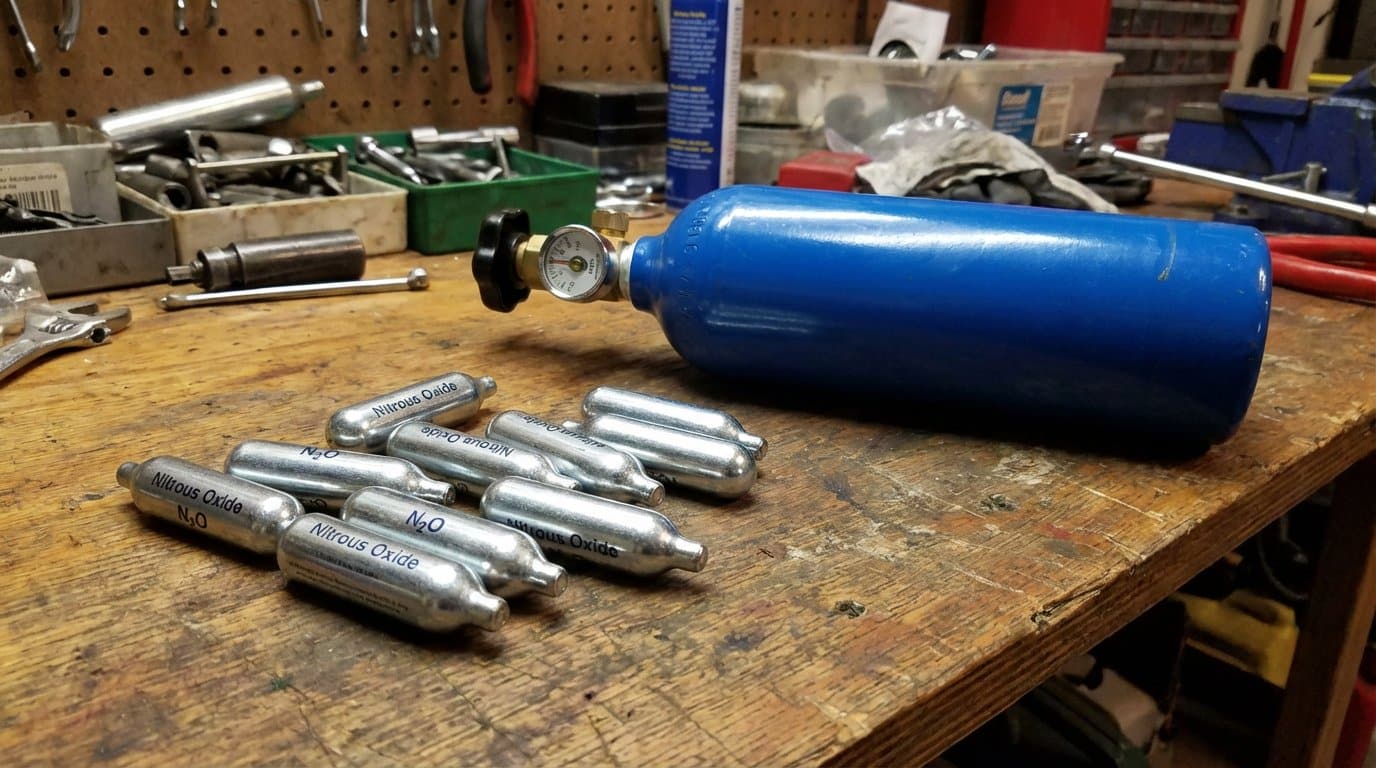
Several states have enacted outright bans or strict regulations on Galaxy Gas and nitrous oxide products, creating a patchwork of laws you must navigate carefully.
State laws on Galaxy Gas and nitrous oxide vary widely, know your local regulations before making any purchase.
Louisiana became the first state to ban retail sales on May 28, 2024, following hospitalizations and deaths. Alabama followed on August 1, 2025, prohibiting sales of nitrous oxide inhalants statewide. Oregon’s HB 3447 takes effect January 1, 2026, requiring ID verification for buyers under 18.
The nitrous oxide legal status continues evolving as more states consider action. Florida introduced legislation on January 15, 2026, to ban most sales, while Washington’s HB 2532 advances through committee review.
You should verify your state’s current regulations before purchasing, as penalties vary considerably. Exceptions typically remain for authorized medical, automotive, industrial, or food preparation uses.
Age Requirements by State
Because states regulate nitrous oxide independently, age requirements for purchasing Galaxy Gas products vary dramatically across the country. You’ll encounter different rules depending on where you live or shop.
- Some states require you to be 18 or older to purchase nitrous oxide products
- Other jurisdictions set the age limit nitrous oxide purchases at 21
- Certain areas impose no specific age restrictions whatsoever
- Many retailers voluntarily enforce age limits even without legal mandates
Oregon provides a notable example, requiring identification for all nitrous oxide purchases following incidents where users suffered serious injuries. You should verify your state’s specific requirements before attempting to buy Galaxy Gas. Retailers who violate age restrictions face fines or prosecution, making compliance essential for both buyers and sellers maneuvering this inconsistent regulatory landscape.
Can You Get Arrested for Possession?
Possession of Galaxy Gas products can lead to arrest, though outcomes depend heavily on your state’s laws and the circumstances surrounding your possession. Federal law doesn’t classify nitrous oxide as a controlled substance, so you won’t face federal charges for possession alone. However, state inhalant laws create significant legal exposure. Moreover, many consumers remain unaware of the galaxy gas health risks awareness campaigns aimed at educating the public about the potential dangers of inhalant abuse. These initiatives emphasize the importance of understanding not just the legal implications, but also the serious health consequences that can arise from misuse.
Many states prohibit possession with intent to inhale recreationally. If law enforcement finds you with paraphernalia like balloons or crackers alongside Galaxy Gas canisters, you’re more likely to face arrest. Minors possessing nitrous oxide for recreational purposes encounter stricter enforcement in most jurisdictions.
You can defend against possession charges by demonstrating legitimate culinary use. Keeping receipts and using products appropriately strengthens your legal position. Understanding your state’s specific regulations helps you avoid unintended violations.
Penalties for Illegal Galaxy Gas Use
If you’re caught using or possessing Galaxy Gas illegally, you could face criminal charges ranging from misdemeanors to felonies depending on your state. In Florida, inhaling nitrous oxide or possessing it with intent to inhale is a second-degree misdemeanor, while distributing more than 16 grams can result in third-degree felony charges. Penalties become even more serious when minors are involved, with many states imposing stricter consequences for underage possession or for adults who supply nitrous oxide to young people.
Criminal Charges and Fines
While nitrous oxide isn’t classified as a controlled substance under federal law, you can still face serious legal consequences for Galaxy Gas misuse at the state level. Distribution laws nitrous violations and recreational misuse penalties vary enormously across jurisdictions.
Common charges you may face include:
- Possession with intent to inhale, ranging from misdemeanor to felony depending on quantity
- Distribution of a psychoactive substance if you’re selling for recreational purposes
- Reckless endangerment charges if your misuse causes injury or accidents
- Corporate liability for marketing tactics that encourage inhalation
Is nitrous illegal for recreational purposes? In many states, yes. Smoke shop nitrous sales face increasing scrutiny, with retailers incurring fines for failing to verify age or selling to non-culinary buyers. Repeated violations trigger escalating penalties.
Penalties for Minors
Because state laws increasingly target youth access to nitrous oxide products like Galaxy Gas, minors face distinct legal consequences for possession and misuse. If you’re under 18, possessing nitrous oxide with intent to inhale can result in misdemeanor charges, fines, mandatory drug education programs, or community service requirements depending on your state.
Sale to minors restrictions create liability for both sellers and young buyers. You could face juvenile court proceedings, probation, or intervention programs designed to address substance misuse. Some jurisdictions impose escalating penalties for repeat offenses.
Oregon’s strict ID requirements and Louisiana’s 2024 legislative updates demonstrate how states respond to youth-related incidents. If you’re caught violating these laws, expect consequences that may include parental notification, school disciplinary action, and a juvenile record that could affect future opportunities.
Don’t Let Nitrous Oxide Addiction Steal Another Day of Your Life
Nitrous oxide addiction can feel like a trap with no way out, but your story doesn’t end here. Florida Addiction Resource is here to help you find the right path forward by connecting you with trusted, licensed treatment providers across Florida who are fully committed to your recovery. No matter where you are in your journey, the help you need is closer than you think. Call us today at +1 (561) 562-4336 and let our team handle the rest.
Frequently Asked Questions
Can Retailers Face Legal Consequences for Selling Galaxy Gas to Adults?
Yes, you can face legal consequences for selling Galaxy Gas to adults. If you market or sell nitrous oxide knowing buyers intend to inhale it, you risk prosecution under state laws prohibiting misuse possession or distribution. You’ve seen massive jury awards, like Missouri’s $745 million wrongful death verdict, against distributors selling through head shops. Your packaging, marketing tactics, and retail environment all factor into liability assessments under current enforcement standards.
Is It Legal to Order Galaxy Gas Online From Another State?
You can legally order Galaxy Gas online from another state if it’s labeled for culinary use, as no federal law prohibits interstate sales for legitimate purposes. However, your state’s regulations determine what happens upon delivery. Some states restrict bulk quantities, require age verification, or criminalize possession with intent to inhale. If you’re ordering for recreational inhalation, you risk violating state analog laws that treat nitrous oxide as an intoxicant.
Do Police Need to Prove Intent to Charge Someone With Misuse?
Yes, in most jurisdictions, prosecutors must prove you intended to inhale nitrous oxide for intoxication purposes. They’ll rely on circumstantial evidence, your behavior, statements, possession of paraphernalia like crackers or balloons, and surrounding circumstances, to establish this mental state. Since intent can’t be directly observed, authorities infer it from your actions. However, specific burden of proof requirements vary by state statute, so you should consult local laws for precise standards.
Are There Federal Proposals to Reclassify Nitrous Oxide as Controlled?
No, you won’t find any federal proposals to reclassify nitrous oxide as a controlled substance in 2025-2026. The substance remains unscheduled under the Controlled Substances Act. However, you should monitor state-level activity, Florida’s Meg’s Law, introduced in February 2026, proposes banning nitrous oxide sales at smoke shops following a fatal hypoxia incident. While federal reclassification isn’t currently on the table, state regulations continue evolving and may affect your compliance obligations.
Can Landlords or Employers Ban Galaxy Gas on Their Property?
Yes, landlords and employers can ban Galaxy Gas on their property. You’ll find landlords enforce these restrictions through lease agreements that specifically prohibit nitrous oxide canisters, citing health risks and liability concerns. Employers implement drug-free workplace policies under OSHA guidelines, and you could face disciplinary action or termination for violations. Educational institutions and commercial venues also maintain similar prohibitions, so you should review applicable rules before possessing these products.