

Hard liquor becomes too much when you exceed one standard drink daily as a woman or two as a man. Each standard drink equals 1.5 ounces of 80-proof spirits. Heavy drinking means 4+ drinks daily or 8+ weekly for women, and 5+ daily or 15+ weekly for men. Watch for warning signs like failed attempts to cut down, cravings, and drinking more than intended. Below, you’ll discover what dependence really looks like.
Key Takeaways
- A standard drink equals 1.5 ounces of 80-proof (40% alcohol) spirits, though generous pours often contain 2, 3 standard drinks.
- Heavy drinking means 4+ drinks daily or 8+ weekly for women, and 5+ daily or 15+ weekly for men.
- Moderate limits cap healthy intake at 1 drink daily for women and 2 for men, with adults over 65 capped at 7 weekly.
- Dependence signs include failed attempts to cut down, drinking more than intended, neglecting obligations, and continuing despite harm.
- Tolerance, cravings, and withdrawal signal dependence; severe withdrawal can cause fatal seizures or delirium tremens, requiring supervised medical detox.
How much hard liquor is too much
Too much hard liquor depends on the numbers. One standard drink of hard liquor contains 1.5 ounces of 40% alcohol by volume (80 proof). If you’re a woman, heavy drinking means 4+ drinks daily or 8+ weekly; if you’re a man, it’s 5+ daily or 15+ weekly. High-intensity drinking pushes those thresholds to 8+ drinks for women or 10+ for men.
Your heart takes damage when you exceed 45 ml (1.5 oz) of 40% liquor daily, and cardiac function changes trigger at 100, 120 ml of alcohol per day. Clinical guidelines cap healthy limits at 1 drink or fewer daily for women and 2 or fewer for men. Cross these lines regularly, and you’re risking significant long-term harm.
What moderate and heavy drinking actually mean in standard drinks
Moderate drinking caps you at 1 drink or fewer daily if you’re a woman, and 2 drinks or fewer if you’re a man. Anchor yourself to the standard drink: 1.5 ounces of 80-proof (40% alcohol) hard liquor.
Heavy drinking climbs sharply from there. If you’re a woman, it means 4+ drinks daily or 8+ weekly. If you’re a man, it means 5+ daily or 15+ weekly. For adults over 65, the weekly ceiling drops to 7 drinks regardless of sex.
Translate your habits into these numbers, and you’ll see whether you’re within safe limits or well beyond them.
What is a standard drink of liquor, and why pours are often more
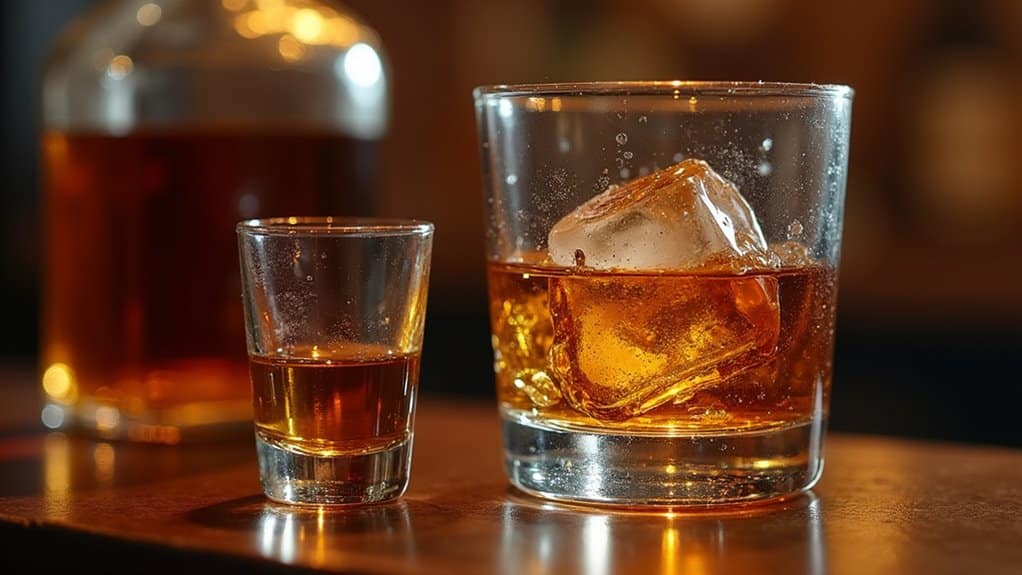
A standard drink of liquor is 1.5 ounces of 80-proof (40% alcohol) spirits. That’s the clinical benchmark, but it rarely matches what lands in your glass. When you pour freely at home or accept a bartender’s generous hand, you’re likely exceeding this measure without realizing it. A single mixed drink can hold two or three standard drinks, quietly inflating your intake.
This matters because your daily and weekly limits depend on accurate counting. If you’re aiming to stay within 2 drinks daily as a man or 1 as a woman, unmeasured pours sabotage that goal. Use a jigger or measuring tool to track precisely. Underestimating your consumption masks a developing problem and undermines any honest assessment of your drinking habits.
What are the signs that drinking may have become dependence
Drinking has crossed from habit into dependence when you show behavioral warning signs, not just changes in volume. If you’ve made unsuccessful attempts to cut down, drink more often than you intended, or feel strong cravings dominating your thoughts, you’re showing hallmark warning signs.
| Dependence Indicator | What It Looks Like |
|---|---|
| Loss of control | Drinking more or longer than planned |
| Failed obligations | Missing work, school, or home duties |
| Withdrawal from life | Giving up social or work activities |
| Persistence despite harm | Continuing despite physical or relationship problems |
You should also recognize tolerance, needing more liquor to feel the same effect. When you keep drinking in unsafe situations, like before driving, dependence is confirmed. Consult your primary care doctor promptly.
How tolerance, cravings, and withdrawal signal a problem

Tolerance, cravings, and withdrawal signal a problem by forming a physiological triad that distinguishes dependence from problematic drinking. When you develop tolerance, you need more liquor to feel the same effects, or you notice the same amount produces a weaker response. This signals your body has adapted to repeated alcohol exposure. Cravings emerge as strong urges that dominate your daily thoughts and routines, pulling your attention toward drinking despite competing priorities. You may find these urges difficult to ignore or postpone. Withdrawal completes the pattern, appearing when you reduce or stop drinking after sustained use. Together, these three indicators confirm your body now depends on alcohol to function normally. If you recognize them, consult your primary care doctor promptly for assessment and appropriate intervention.
Why alcohol withdrawal can be dangerous and needs medical support
Alcohol withdrawal can be dangerous because your body has adapted to alcohol’s constant presence, and withdrawing suddenly can trigger dangerous physiological reactions that demand medical oversight. When you’ve developed tolerance and dependence, your nervous system relies on alcohol to maintain equilibrium. Remove it abruptly, and you risk symptoms ranging from tremors, sweating, and anxiety to severe complications like seizures and delirium tremens, which can prove fatal without intervention. That’s why you shouldn’t attempt to quit heavy drinking on your own. Consult your primary care doctor first for an assessment. Medically supervised detoxification lets clinicians monitor your critical signs, manage symptoms, and prescribe medications that reduce risks and ease the process. Behavioral therapy then helps you identify triggers and build support. Professional guidance keeps you safe while you break alcohol’s physical grip.
How Florida Addiction Resource connects you to confidential help
Florida Addiction Resource links you to confidential, evidence-based support that matches your clinical needs. You’ll connect with professionals who assess your consumption patterns, dependence indicators, and withdrawal risks before recommending appropriate care.
Here’s how the process works:
- Confidential assessment: You complete a private evaluation of your drinking history and symptoms.
- Personalized matching: You’re connected to licensed providers suited to your severity level.
- Treatment coordination: You access medically supervised detox, behavioral therapy, or medication options.
- Ongoing support: You maintain contact for relapse prevention and continued recovery.
Every step protects your privacy while prioritizing your safety. You don’t have to navigate dependence alone, help’s available now.
Get Confidential Help for Alcohol Dependence
If drinking has become difficult to control, or you are experiencing cravings, tolerance, or withdrawal symptoms, professional support may be the safest next step. Break free from alcohol with safe, medically supported detox contact us today. Florida Addiction Resource can help connect you with treatment options based on your needs, including medically supervised detox when appropriate. Verify your insurance to review available coverage, or call +1 (561) 562-4336 to discuss available alcohol treatment options.
Frequently Asked Questions
Does the Type of Hard Liquor Affect How Harmful It Is?
No, the type of hard liquor doesn’t meaningfully change how harmful it is. What matters is the alcohol content, not the specific spirit. One standard drink contains 1.5 ounces of 40% alcohol by volume (80 proof), whether it’s whiskey, vodka, gin, or rum. You’re consuming the same amount of ethanol regardless of your choice. Exceeding 45 ml daily harms your heart health, so focus on quantity, not variety.
Can I Safely Drink Hard Liquor While Taking Prescription Medications?
You shouldn’t assume hard liquor is safe with prescription medications. The provided information doesn’t cover specific drug-alcohol interactions, so you can’t rely on it here. What’s clear is that alcohol carries significant health risks, including liver damage, cancer, and cardiac harm. Your safest step is consulting your primary care doctor, who can assess your medications and drinking. They’ll provide personalized guidance and, if needed, connect you with appropriate treatment or intervention.
How Long Does It Take to Develop Alcohol Dependence?
There’s no fixed timeline dependence develops differently for you based on genetics, drinking patterns, and frequency. You might notice tolerance building within weeks if you’re drinking heavily daily, requiring more liquor for the same effect. Watch for warning signs: unsuccessful attempts to cut down, strong cravings, or drinking more than you intended. If you’re bingeing repeatedly or drinking despite consequences, you’re already showing dependence indicators. Consult your primary care doctor promptly for assessment.
Is Hard Liquor More Addictive Than Beer or Wine?
Alcohol’s alcohol, regardless of the source so hard liquor isn’t inherently more addictive than beer or wine. What matters is how much ethanol you consume. Because one standard drink of hard liquor packs 1.5 ounces of 40% spirits into a small volume, you’ll drink it faster and reach binge thresholds more easily. That rapid intake raises your dependence risk, but the underlying addictive substance stays identical across all types.
Can Occasional Binge Drinking Cause Permanent Liver Damage?
Yes, occasional binge drinking can contribute to permanent liver damage. When you consume 5+ drinks (men) or 4+ drinks (women) within two hours, you overwhelm your liver’s processing capacity. Each binge episode roughly 15 units triggers inflammation and fat accumulation. Repeated episodes accelerate scarring, raising your risk of liver disease. Even infrequent bingeing stresses cardiac and hepatic function, so you shouldn’t assume that occasional excess spares you from lasting harm.