






A shroom chocolate bar trip typically lasts 4, 6 hours, though higher doses can extend this to 8 hours. You’ll feel effects within 20, 60 minutes as chocolate’s fats slow psilocybin absorption compared to raw mushrooms. Psilocybin’s 3-hour half-life means you’ll experience gradual diminishing effects after peak intensity. Residual aftereffects, including fatigue and mood fluctuations, can linger up to 24 hours post-ingestion. Understanding each phase helps you prepare for what your body will process.
How Long Does a Shroom Chocolate Bar Trip Last?
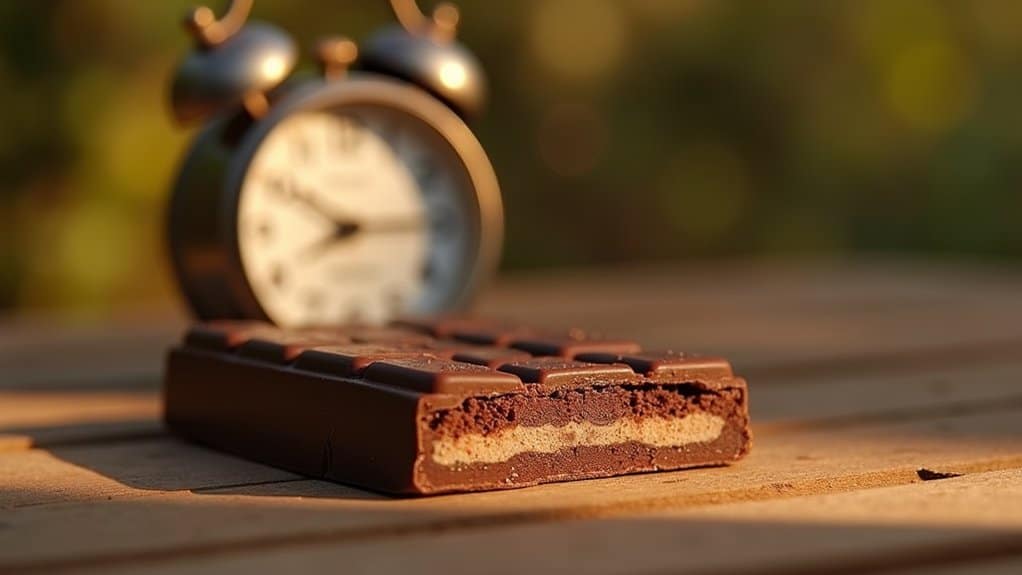
When you consume a shroom chocolate bar, you can expect the full experience to last between 4 and 6 hours, though individual responses vary considerably. The shroom bar duration depends primarily on dose potency, your metabolic rate, and individual tolerance levels.
For a standard 1-gram chocolate bar, effects typically persist for 3 to 6 hours. Higher doses containing 3.5 grams extend the timeline to 4 to 8 hours. Psilocybin’s half-life of approximately 3 hours explains why effects diminish gradually rather than stopping abruptly. It takes up to 15 hours for psilocybin to be completely eliminated from your system.
Understanding how long do shroom chocolate bars last helps you plan accordingly. You’ll experience onset, peak, and comedown phases sequentially. Effects typically begin within 20 to 40 minutes after consumption. Some residual effects may linger up to 24 hours post-ingestion, including mood fluctuations and fatigue. The chocolate component may contribute to a smoother onset experience because it aids in digestion of the psilocybin. Understanding how long shroom chocolate bars last helps you plan responsibly. Users typically move through onset, peak, and comedown phases in sequence, with effects beginning around 20, 40 minutes after consumption. Shroom chocolate effects on users can include perceptual changes during the peak, followed by gradual tapering. Mild residual symptoms, such as mood shifts or fatigue, may persist for up to 24 hours. The chocolate base may contribute to a smoother onset by aiding digestion of psilocybin, though duration and intensity vary by dose and individual response.
What Affects How Fast or Slow Your Trip Unfolds?
Your trip’s timeline depends on several interconnected factors that influence how quickly psilocybin reaches your bloodstream and converts to its active form, psilocin. Whether you’ve eaten recently, how much you consume, and your individual metabolic rate all determine onset speed, peak intensity, and total duration. Consuming on an empty stomach typically accelerates the onset and produces more intense effects. Higher doses not only intensify the experience but also typically result in longer-lasting effects overall. Understanding these variables helps you anticipate your experience rather than being caught off guard by effects that arrive faster or slower than expected. Once ingested, psilocybin is absorbed in the gastrointestinal tract and then processed by the liver into psilocin, which is responsible for the psychedelic effects you experience.
Stomach Contents and Metabolism
Several factors determine how quickly psilocybin enters your bloodstream and converts to its active form, psilocin. Your stomach contents play a critical role, consuming shroom chocolate on an empty stomach accelerates onset to 20-40 minutes, while a full stomach delays effects up to 2 hours.
Key pharmacokinetic variables include:
- Gastric emptying rate: Fats and sugars in chocolate slow absorption compared to raw mushrooms
- Metabolic rate variations: Faster metabolism shortens onset; slower metabolism extends it
- Liver enzyme efficiency: First-pass metabolism converts psilocybin to psilocin at individual-specific rates
- Body weight: Influences absorption speed and overall intensity
- Previous psychedelic exposure: Affects your metabolic response timing
Psilocybin’s half-life spans 2-3 hours, though the chocolate matrix produces more gradual effect buildup than dried mushrooms alone. Once psilocin reaches the brain, it activates 5-HT2A serotonin receptors, altering mood and perception throughout the experience. Since shroom bars are typically produced in informal settings, inconsistent psilocybin content in each piece can make the timing and intensity of your trip unpredictable.
Dosage and Potency Levels
Because psilocybin content varies markedly between products, understanding dosage levels helps you predict both trip duration and intensity. Microdoses (1-5 mg psilocybin) produce subtle effects lasting a few hours without hallucinations. Standard doses (8-20 mg) trigger full psychoactive experiences with altered perception, while high doses (20+ mg) extend trips extensively with intense visuals and emotional sensitivity.
Potency variations in unregulated products create unpredictable outcomes. A single chocolate bar square may contain 22.5 mg psilocybin, meaning one extra piece can double your intake and dramatically escalate effects. Chocolate’s palatable taste masks bitterness, leading you to underestimate consumption. Some counterfeit bars contain THC instead of psilocybin, producing entirely different effects and durations than expected. As consumers explore options like mushroom chocolate bars Michigan residents are increasingly curious about the quality and sourcing of these products. Local dispensaries and artisanal chocolatiers are emerging as popular choices, offering transparency regarding their ingredients. However, caution is advised, as unregulated markets may still harbor risks associated with potency mislabeling.
Higher dosage levels accelerate your peak phase, with effects intensifying faster and lasting longer. Tolerance builds rapidly after 1-2 uses, diminishing response and altering expected duration from identical doses. This tolerance effect can last up to 3 weeks, making it important to space out sessions for consistent experiences. Psilocybin gummies from reliable manufacturers offer consistent quantities of psilocybin, taking the guesswork out of dosing and helping you better predict your trip duration.
Individual Body Chemistry
While dosage determines intensity, your individual body chemistry dictates how quickly psilocybin converts to its active form and reaches your brain.
Your metabolism directly influences absorption rate and effect duration. Psilocybin’s half-life averages 2-3 hours, meaning metabolic speed creates 30-60 minute variations between individuals.
Key factors affecting your trip timeline:
- Metabolism speed: Faster metabolism produces 20-40 minute onset; slower metabolism delays effects up to 2 hours
- Body weight: Higher body weight correlates with slower onset and extended 6-8 hour durations
- Stomach contents: Empty stomachs accelerate onset; chocolate’s fats prolong digestion and comedown
- Tolerance level: Recent psychedelic use delays peak by 30-60 minutes
- Mental state: Anxiety extends onset unease; calm settings speed immersion into peak effects
Why Shroom Chocolate Takes 20, 60 Minutes to Kick In
The delay between consuming a shroom chocolate bar and feeling its effects stems from how your body processes psilocybin. Your digestion process begins immediately, but psilocybin must first travel to your liver where enzymes convert it into psilocin, the active compound responsible for psychoactive effects. This metabolic conversion takes time. what do mushroom chocolate bars do can vary based on the individual and the specific formulation of the product. Generally, these bars combine the psychoactive properties of psilocybin with the enjoyable flavors of chocolate, creating a unique experience that many people find appealing. Users often report enhanced sensory perception, a sense of euphoria, or even introspective insights during their experience.
The typical onset time range spans 20, 60 minutes, with most users experiencing initial effects between 30, 60 minutes. Chocolate’s fats and sugars slow gastric emptying compared to raw mushrooms, contributing to this delay. First-time users should be patient, as they may not feel anything initially while their body completes this conversion process. The unpredictability of onset timing can leave novices feeling edgy and nervous as they wait for effects to begin.
Your stomach contents substantially influence timing. An empty stomach accelerates absorption, producing faster, stronger effects. A full stomach delays onset and may reduce intensity. Individual factors, metabolism rate, body weight, dosage, and strain potency, further affect how quickly you’ll notice the effects beginning.
What Happens at Peak Intensity (Hours 1, 3)?
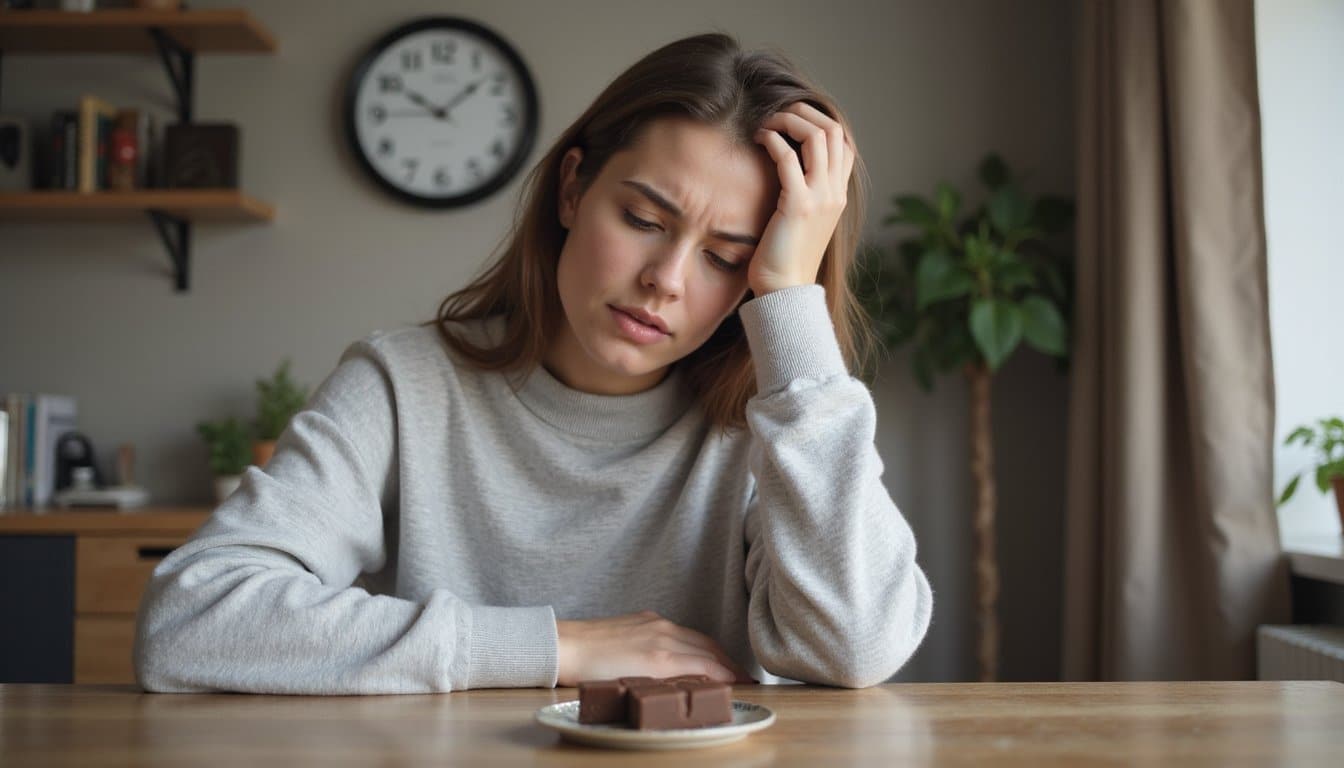
Between 60 and 180 minutes after consumption, psilocin concentrations in your bloodstream reach their maximum, producing the most intense phase of the experience. During this window, you’ll encounter the strongest peak effects, with sensory and cognitive changes reaching full expression.
Common experiences during peak intensity include:
- Vivid visual hallucinations with enhanced color perception and geometric patterns
- Profound emotional intensity ranging from euphoria to anxiety
- Significant time distortion and altered thought patterns
- Deep introspective states and heightened empathy
- Sense of unity or occasional overwhelm
This phase typically lasts one to three hours, depending on your dose and individual metabolism. The emotional intensity you experience correlates directly with psilocin’s receptor activity. Environmental factors and personal sensitivity influence how transformative or challenging this peak window becomes.
Does Redosing Extend Your Trip or Just Add Risk?
Redosing a shroom chocolate bar rarely doubles your trip length, it primarily amplifies risk while delivering diminishing returns. Psilocybin tolerance builds rapidly, meaning a second dose taken mid-trip produces greatly weaker effects than your initial dose. You’ll extend the duration marginally, perhaps stretching a 4-6 hour experience to 6-8 hours, but the comedown intensifies considerably.
The pharmacokinetics complicate timing. Psilocin’s 3-hour half-life means your redose adds to an already saturated system, creating unpredictable overlapping effects. This elevates anxiety, nausea, confusion, and panic attack potential. Your set and setting also significantly impact how redosing affects your experience, as a negative mindset or uncomfortable environment can amplify adverse reactions.
Chocolate bars pose additional redosing dangers due to uneven potency distribution. Taking extra squares can accidentally double your intended dose. With high doses of 3g or more, psilocybin metabolites may remain detectable for up to 72 hours or longer in urine tests. Instead of redosing, plan an 8-hour clear schedule, start with a conservative initial dose, and have a trusted sitter present.
The Shroom Chocolate Comedown: Hours 3, 6
As psilocin’s interaction with your serotonin receptors begins waning after the peak, you’ll notice a gradual return to baseline between hours 3 and 6. During this phase, you may experience lingering physical symptoms like fatigue or restlessness as your body processes the compound. This period also serves as an emotional processing window, where introspective thoughts persist but shift from intense to reflective, allowing you to integrate the experience.
Gradual Return to Baseline
Once peak effects begin subsiding around the 2, 3 hour mark, your body enters the comedown phase as psilocin levels decline in your bloodstream. Visual distortions diminish, emotional intensity fades, and mental clarity gradually returns as serotonin receptor activity decreases. Time perception often changes during this phase, with minutes sometimes still feeling stretched as your brain readjusts to normal functioning.
During your energy and physical recovery trajectory****, expect these changes:
- Muscle weakness and heaviness resolve as stimulation decreases
- Coordination and motor control progressively improve
- Appetite returns as nausea subsides
- Physical fatigue increases as energy reserves deplete
- Sleep readiness emerges by hours 5, 6
Your transition to afterglow state typically begins around hour 5, 6. Residual effects become subtle and non-disruptive, often replaced by mental clarity or emotional relief. By this window’s end, most users report feeling close to baseline neurological functioning, with total duration spanning 4, 6 hours depending on dose and metabolism.
Lingering Physical Symptoms
Several physical symptoms persist during hours 3, 6 as psilocin metabolism continues and serotonin receptor activity gradually normalizes. You’ll likely notice fatigue emerging as psilocybin levels decline, with your body shifting from peak energy to exhaustion. Higher doses intensify and prolong this tiredness.
Muscle tension remains common during this window. You may experience restlessness or fidgeting as relaxation stays incomplete post-peak. This tension stems from ongoing serotonin receptor activity and typically eases toward baseline by hour six.
Gastrointestinal discomfort can resurface, particularly if you consumed the chocolate on an empty stomach. Mild headaches also occur frequently, especially if you’re dehydrated or have redosed. Serotonin fluctuations trigger these tension-type headaches. Sensory residuals, including mild visual distortions and auditory sensitivity, fade gradually but generally subside completely by hour six.
Emotional Processing Period
The emotional comedown kicks in between hours 3, 6 as psilocin gradually releases its grip on serotonin 5-HT2A receptors. During this psychedelic recovery phase, your brain’s neurotransmitter systems begin returning toward baseline functioning. You’ll notice perception and emotional intensity diminishing as receptor activation decreases.
Expect these shifts during the emotional processing period:
- Feelings of overwhelm from the peak phase start resolving
- Enhanced introspection persists despite fading hallucinations
- Mood shifts vary based on your peak experience intensity
- Meaningful reflections emerge as integration commences
- Emotional sensitivity may heighten temporarily before stabilizing
Your cognitive processing slows and organizes during this window. Racing thoughts settle, and mental clarity gradually improves. A supportive environment facilitates smoother emotional processing, while external stressors can destabilize this transitional stage.
Why You Might Feel Tired or Foggy Afterward
Psilocybin’s conversion to psilocin triggers intense serotonin receptor activity that doesn’t simply switch off when your trip ends. This sustained neurochemical engagement leads to neurotransmitter depletion, leaving your brain’s serotonin reserves temporarily exhausted. You’ll likely notice fatigue, mild confusion, and emotional fluctuations as your system recalibrates.
| Factor | Mechanism | Duration |
|---|---|---|
| Serotonin Depletion | Exhausted neurotransmitter reserves | 12-24 hours |
| Cognitive Overload | Processing intense hallucinations and altered perception | 6-12 hours |
| Physical Exertion | Heightened heart rate, temperature variations, nausea | 8-16 hours |
The psychological strain from processing profound experiences or disturbing imagery compounds this tiredness. Higher doses intensify depletion effects, while first-time users face heightened vulnerability. Your body needs adequate rest and hydration to restore baseline functioning.
When Will You Feel Completely Normal Again?
Most users regain baseline cognitive function within 6 to 8 hours after consuming shroom chocolate bars, though this timeline varies based on individual metabolism, dosage, and stomach contents.
Recovery time runs 6 to 8 hours for most people, but your metabolism, dose, and meal timing all shift that window.
Key factors influencing your recovery after shroom chocolate:
- Psilocin plasma clearance continues up to 24 hours post-ingestion despite earlier cessation of perceptual effects
- Empty stomach conditions compress duration, while full stomach extends the planning window
- Higher doses prolong both active effects and residual cognitive impact
- Redosing extensively extends recovery timeline and increases adverse reaction risk
- Individual metabolic rate and body composition create substantial variability
You’ll likely notice visual distortions cease by hour six, with subtle afterglow effects potentially lingering into the following day. Plan your planning window accordingly, avoid driving or work responsibilities until complete neurological normalization occurs.
You don’t have to carry the burden of substance abuse alone and if it’s someone you love who’s hurting, help is available for them too. Florida Addiction Resource LLC connects you to trusted treatment providers throughout the state of Florida. In search of medical detox support? Considering residential programs, outpatient alternatives, or long-term recovery guidance? We’ll guide you through each possibility until you find what resonates. When you’re ready to start fresh, dial (561) 562-4336 because the path to recovery begins now.
Frequently Asked Questions
Can Shroom Chocolate Bars Expire or Lose Potency Over Time?
Yes, shroom chocolate bars can expire and lose potency over time. You’ll find they typically last 12-18 months when stored properly in a cool, dry, dark place. Dried psilocybin in chocolate retains 80-90% potency for about one year, but oxidation gradually degrades the active compounds. You should watch for mold, discoloration, or off-putting textures, these indicate spoilage. Vacuum-sealing and freezing can extend shelf life to several years.
Will Shroom Chocolate Show up on a Standard Drug Test?
Shroom chocolate won’t show up on standard drug tests. Typical 5-panel and 10-panel screenings target THC, cocaine, opiates, amphetamines, and PCP, not psilocybin or psilocin. Your body metabolizes psilocybin rapidly, with a half-life of just 2-3 hours. Urine detection is possible within 24 hours, but employers rarely test for psychedelics. Only specialized GC-MS testing can confirm psilocin, and that’s uncommon outside military or federal screenings.
Is It Safe to Sleep While Still Feeling Effects From Shroom Chocolate?
You shouldn’t try to sleep while still experiencing active effects from shroom chocolate. During peak intensity (1-3 hours post-consumption), unpredictable visuals and emotional shifts can disrupt rest quality and potentially cause disorientation if you wake mid-trip. It’s safer to wait until effects noticeably decline, typically 3-6 hours after ingestion. Clear your schedule for at least 8 hours, allowing the comedown to complete before attempting sleep for ideal safety and rest.
Can I Drive the Day After Eating a Shroom Chocolate Bar?
You should wait at least 24 hours after consuming a shroom chocolate bar before driving. Even after primary effects subside, you’ll likely experience lingering fatigue, altered perception, and impaired reaction time during the aftereffect period. Psilocybin remains detectable in your system up to 24 hours, and emotional sensitivity or coordination issues can persist 8 to 12 hours post-ingestion. Driving under psilocybin’s influence is legally prohibited and substantially increases accident risk.
Do Shroom Chocolates Cause Headaches or Physical Symptoms After the Trip Ends?
Yes, shroom chocolates can cause headaches and physical symptoms after your trip ends. You’ll commonly experience tension headaches during the comedown as psilocybin levels decline. These headaches typically last several hours and correlate with dehydration, muscle tension, and the intensity of your experience. You may also notice lingering fatigue, nausea, muscle weakness, and temperature fluctuations. Staying hydrated throughout your experience helps reduce post-trip headache severity and duration.