






Heavy cannabis use can cause lasting brain changes, especially if you started using it young. Research shows persistent users experience reduced prefrontal cortex activation, hippocampal volume loss, and compromised white matter integrity. Adolescent-onset users face the steepest consequences, up to an 8-point IQ decline that doesn’t fully reverse even after a year of abstinence. Adults typically show stronger cognitive recovery, though subtle memory and attention deficits often persist. Understanding the specific risks can help you make informed decisions about your use.
How Heavy Cannabis Use Changes Your Brain

When you use cannabis heavily over your lifetime, defined in research as more than 1,000 uses, your brain’s activity patterns shift in measurable ways. Studies show 63% of heavy users display reduced activation in the dorsolateral prefrontal cortex, dorsomedial prefrontal cortex, and anterior insula during working memory tasks. These findings come from research published in JAMA Network Open that examined over 1,000 participants, making it the largest study of its kind.
Tetrahydrocannabinol binds to cannabinoid receptor type one, which concentrates heavily in regions governing executive function. This interaction reduces neural firing in areas responsible for decision-making, attention, and emotional processing. Research confirms brain volume changes and compromised white matter integrity in frequent users. The developing brain is especially sensitive to THC, with early and frequent use linked to long-term changes in cognition and emotional regulation.
Your prefrontal cortex thickness decreases proportionally to CB1 receptor density. While neuroplasticity allows some recovery after cessation, these structural and functional alterations persist independent of dependence diagnosis, suggesting lasting effects from cumulative exposure.
Memory, Focus, and Decision-Making: What Gets Damaged Most
Because THC binds heavily to CB1 receptors concentrated in your prefrontal cortex and hippocampus, these regions bear the greatest functional burden from repeated cannabis exposure. Research shows 63% of heavy lifetime users display reduced brain activation during working memory tasks, with deficits persisting in areas governing attention and decision-making. Your amygdala’s emotional processing also becomes dysregulated, compounding neurocognitive impairment. As a result, does weed affect memory recall remains a critical question for many users. Chronic exposure to cannabis not only impacts cognitive functions but may also impair learning and retention abilities over time. This suggests that regular use could hinder academic and professional performance, making it essential for users to consider these effects on their cognitive health.
| Cognitive Domain | Key Finding | Brain Region Affected |
|---|---|---|
| Memory | Verbal episodic deficits persist beyond 72-hour abstinence | Hippocampus |
| Attention | Informant-reported problems increase with persistent use | Prefrontal cortex |
| Decision-Making | Reduced dorsolateral prefrontal activation impairs judgment | Prefrontal cortex |
| Executive Function | Adolescent-onset users show greatest decline | Dorsomedial prefrontal cortex |
| Social Cognition | Theory of mind impairments affect social decisions | Anterior insula |
These deficits correlate directly with cumulative exposure duration and age of initiation. A 25-year study tracking 3,000 middle-aged adults found that every five marijuana-years of cumulative exposure decreased verbal memory by one word recalled from a list of 15. Research suggests residual cognitive effects may linger for up to 4 weeks after cessation, highlighting the importance of extended abstinence before engaging in cognitively demanding activities.
Does Using Cannabis Young Cause Permanent IQ Loss?

Your brain continues developing until around age 25, making adolescent cannabis use particularly risky for long-term cognitive outcomes. Research from the Dunedin Study shows that persistent users who started as teens experienced an 8-point IQ decline by age 38, with deficits concentrated in verbal abilities that didn’t fully recover even after quitting. A 45-year follow-up found regular users lost 5.5 IQ points from childhood to midlife, with dose-response patterns suggesting the more persistent your use, the greater your cognitive decline. Long-term users also showed smaller hippocampal volume in nearly half of the brain subregions examined at age 45. A meta-analysis of seven cohort studies found that frequent or dependent cannabis use in youth was associated with approximately 2 IQ points decline on average.
Youth Brain Development Risks
Research consistently demonstrates that adolescent cannabis use poses significant risks to developing brain structures. Your prefrontal cortex doesn’t fully mature until age 25, making it particularly vulnerable to THC’s effects on the endocannabinoid system. MRI studies reveal accelerated cortical thinning in regions dense with CB1 receptors, potentially disrupting normal adolescent brain development. A large longitudinal brain imaging study of 799 adolescents confirmed a dose-dependent relationship between cannabis use and prefrontal cortex thinning.
The consequences extend beyond structure to function. You’ll likely experience measurable cognitive deficits in learning, attention, and executive functioning. Studies show persistent users face IQ declines of 6-8 points that don’t fully recover even after cessation. Unlike cannabidiol, THC binds aggressively to developing neural pathways, triggering premature synaptic pruning.
These changes correlate with increased impulsivity, poorer academic performance, and higher dropout rates. Your developing brain simply cannot process THC without lasting neurological consequences.
Long-Term Cognitive Decline
When cannabis use begins during adolescence and persists into adulthood, the cognitive toll becomes measurable and concerning. Studies show you can lose up to 5.5 IQ points between childhood and midlife if you’re a long-term regular user. This decline spans executive function, verbal comprehension, and processing speed.
Your brain’s gray matter volume shrinks, particularly in hippocampal subregions critical for memory. White matter integrity deteriorates, disrupting neural communication. THC triggers neuroinflammation and oxidative stress, impairing neurogenesis, your brain’s ability to generate new neurons. Cannabinoid receptor type two activation influences these inflammatory responses. Long-term cannabis users also demonstrate significantly worse performance on memory and attention tasks, with higher scores on cognitive metrics indicating greater impairment compared to non-users.
Even after quitting, adolescent-onset users don’t fully recover. Research confirms that one year of abstinence doesn’t restore baseline functioning. You’ll retain subtle deficits in attention and memory, suggesting some damage persists despite your brain’s plasticity. Adults who quit typically show stronger cognitive rebounds than those who started using during their teenage years.
Age-Related IQ Changes
The cognitive decline discussed above becomes starkly quantifiable through IQ measurements tracked across decades. Longitudinal cohort studies following participants from adolescence to midlife reveal a dose response relationship between chronic cannabis use and intellectual deterioration. Your brain’s neurodevelopmental vulnerability peaks during adolescence when synaptic pruning refines neural circuits and your dopamine system undergoes critical maturation.
What the research shows:
- Persistent adolescent-onset users lost 5-6 IQ points by adulthood, deficits that didn’t fully reverse after quitting
- Youth with cannabis dependence at multiple assessment waves experienced an average 8-point IQ drop
- Verbal IQ, processing speed, and working memory showed the steepest declines
- Friends and family independently reported noticeable cognitive problems in chronic users
These findings underscore why 60% of new users being under 18 represents a significant public health concern. A systematic review by RCSI University of Medicine and Health Sciences analyzed 7 longitudinal studies and found approximately 2 IQ points of decline in young people who used cannabis at least weekly for six months or more. Critically, adult-onset cannabis users in the same studies showed no comparable IQ decline, suggesting the adolescent brain possesses unique vulnerability to cannabis-related neurotoxicity.
High-Potency THC and Psychosis: How Real Is the Risk?
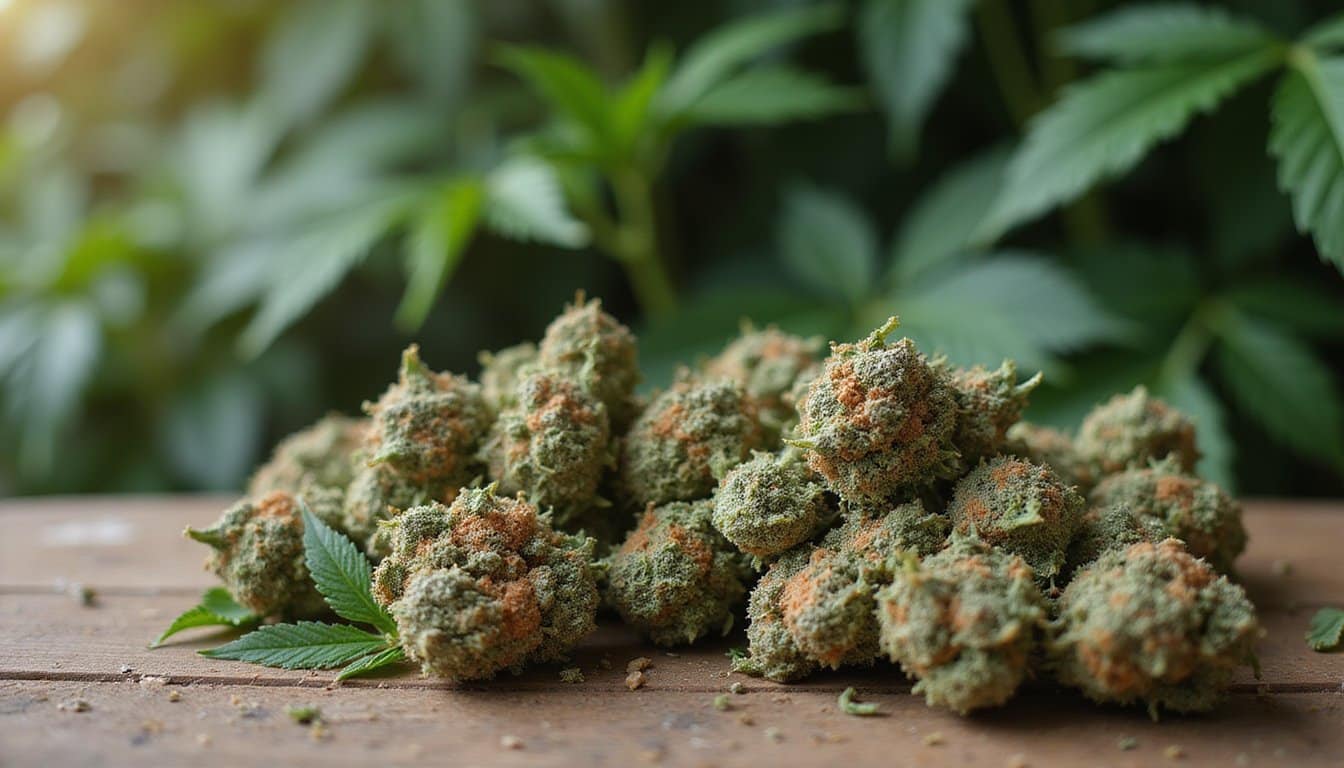
Although occasional cannabis use rarely triggers lasting psychiatric harm, high-potency THC products carry substantially elevated psychosis risks that clinicians and users can’t ignore. When you consume concentrates exceeding 10% THC, the compound crosses your blood-brain barrier rapidly, flooding CB1 receptors in regions governing perception and reality testing. Other potential weed side effects on body include increased heart rate, dry mouth, and altered cognitive function. While many users may find these effects mild, they can be concerning for individuals with certain pre-existing conditions. It’s essential for consumers to remain aware of their personal health history when deciding to use cannabis products.
Research shows that daily high-potency users face a fivefold increase in psychotic disorders compared to non-users. If you have a genetic predisposition to schizophrenia, this risk compounds dramatically. Studies indicate heavy marijuana use of high-THC varieties between ages 16-18 doubles your likelihood of experiencing hallucinations and delusions by age 24. This is particularly alarming given that THC content tripled from 4% to 12% between 1995 and 2014, meaning today’s users face far greater exposure than previous generations. A landmark longitudinal study following nearly 14,000 individuals from birth confirmed these findings by tracking cannabis use patterns and psychotic experiences across multiple age points.
The data also links sustained exposure to earlier onset of major depressive disorder and first psychosis episodes occurring six years sooner than in non-users.
What Heavy Cannabis Use Does to Your Heart and Lungs
Beyond the brain’s vulnerability to THC, your cardiovascular system faces substantial risks that recent large-scale studies have quantified with alarming precision. Meta-analyses encompassing over 75 million participants reveal that cannabis use disorder correlates with a 50% higher heart attack risk, while users under 50 face a sixfold increase. Vascular dysfunction reduces blood vessel function by 55% in chronic users, comparable to tobacco smokers.
Cannabis use disorder links to 50% higher heart attack risk, with users under 50 facing a staggering sixfold increase.
Key cardiovascular findings you should know:
- Your stroke risk quadruples with regular use, peaking within one hour of consumption
- Heart failure risk doubles in young, otherwise healthy users
- Cardiovascular mortality increases twofold with chronic exposure
- Daily use accelerates coronary artery disease development
Prospective studies remain necessary to isolate confounding variables, but current evidence demands clinical attention to these cardiac consequences. Clinicians now recommend that asking about cannabis use should be incorporated into routine cardiovascular risk assessments for all patients.
Will Your Brain Recover After You Quit Cannabis?
When you stop using cannabis, your brain’s capacity for recovery depends heavily on how long and how intensely you’ve used. Functional MRI studies show that heavy lifetime use reduces activation in working memory regions, including the dorsolateral prefrontal cortex and anterior insula, even after excluding recent users. Short-term cognitive deficits may resolve within 72 hours of abstinence, but persistent changes from adolescent-onset use can linger. Research indicates that how long does weed induced psychosis last can vary significantly based on individual factors, including genetics and mental health history. Some users may experience symptoms for days or weeks, while others might find that resolution occurs more rapidly. Understanding these timelines is crucial for those seeking treatment and recovery, as it impacts both mental health interventions and support strategies.
Brain recovery now has promising interventions. rTMS therapy targeting disrupted reward and self-control networks has reduced cravings and cannabis use in clinical trials. Stimulating the ventromedial prefrontal cortex yields the largest reductions in drug use. Magnetic resonance imaging guides the precise targeting of affected regions. A Phase 3 trial with 250 participants may lead to FDA clearance for cannabis use disorder treatment.
Does Medical Cannabis Cause Less Damage Than Recreational?
When you use medical cannabis under clinical supervision, you’re more likely to receive controlled doses that minimize neurological harm compared to unregulated recreational products. The THC:CBD ratio matters considerably, balanced formulations reduce psychotic symptoms and cardiovascular strain while still delivering therapeutic benefits. You’ll find that pharmaceutical-grade cannabinoids with standardized potency levels produce more predictable outcomes and fewer emergency department visits than high-THC recreational alternatives.
Dosing Control Reduces Harm
The distinction between medical and recreational cannabis often comes down to one critical factor: dosing control. When you’re under clinical supervision, your dosage potency is carefully calibrated to minimize harm while maximizing therapeutic benefit. This approach directly addresses frequency and duration concerns, reducing your risk of developing tolerance and dependence.
Key harm reduction benefits of controlled dosing:
- You’ll experience fewer withdrawal symptoms when tapering under medical guidance
- Your cardiovascular risk decreases considerably with low-dose oral administration versus high-potency smoking
- You’re 29% less likely to develop cannabis use disorder with structured protocols
- Your cognitive function remains more stable when THC exposure stays within therapeutic ranges
Controlled dosing isn’t just about taking less, it’s about strategic, evidence-based consumption that protects your neurological health long-term.
THC: CBD Ratios Matter
How much does the CBD in your cannabis actually protect you from THC’s effects? Recent research challenges popular assumptions. A UCL study found no difference in memory impairment or anxiety disorder symptoms between high THC potency products and those with 1:3 THC: CBD ratios. Surprisingly, CBD pairing increased blood THC levels without reducing behavioral effects.
King’s College research showed 450 mg of CBD actually enhanced THC’s psychotropic effects rather than mitigating them. This contradicts beliefs that CBD buffers against executive dysfunction or long-term effects.
Medical and recreational products show no meaningful distinction, 72-100% fall into ratios where CBD enhances rather than protects against THC. Products with protective ratios (≤1:6) represent only 0-5% of the market. Your age of first use remains a stronger predictor of harm than any THC: CBD ratio.
Can CBD Protect Against THC-Related Brain Harm?
Although THC’s psychoactive effects raise legitimate concerns about brain health, emerging research suggests CBD may offer neuroprotective properties that could counterbalance some of THC’s harmful impacts.
Studies show CBD reduces neuroinflammation, enhances cerebral blood flow, and prevents ferroptosis, a form of cell death linked to neurotoxicity. For those worried about permanent brain damage from cannabis use, CBD’s protective mechanisms may shift outcomes from irreversible harm toward reversible changes, especially when combined with recovery after abstinence.
Key CBD neuroprotective findings:
- CBD preserved antioxidant defenses and blocked ferroptosis in oxygen-deprived brain cells
- Aged mice showed improved memory and reduced hippocampal inflammation after CBD treatment
- CBD increased blood flow to memory-processing regions compromised by injury
- THC+CBD combinations reduced amyloid protein clumps in Alzheimer’s models
Your individual risk factors, including substance use disorder history, influence outcomes substantially.
Cannabis Harm Reduction Strategies That Actually Work
Beyond CBD’s neuroprotective potential, practical harm reduction strategies can markedly lower your risk of cannabis-related damage at both individual and population levels.
Delaying early onset use until your brain fully matures around age 25 protects developing neural circuits from THC-induced disruption. Avoiding daily use prevents cumulative cognitive deficits, including impaired reaction time, reduced processing speed, and attention deficits that persist with chronic exposure. Research shows intermittent users maintain better motivation and executive function than habitual consumers.
You should choose lower-THC products, avoid combining cannabis with alcohol, and never drive while impaired. CDC-recommended education campaigns emphasize safe storage and product-specific risks. Retail staff training on impairment signs and high-potency warnings further reduces harm. These evidence-based approaches don’t eliminate risk but substantially decrease your likelihood of lasting neurological consequences.
Ready to Break Free From Cannabis Dependency?
If cannabis use has started to feel less like a choice and more like a necessity, that shift is worth paying attention to. Florida Addiction Resource connects you with trusted, licensed cannabis detox and addiction treatment programs across Florida, free of charge and available 24/7. You don’t have to navigate this alone. Call +1 (561) 562-4336 today and let us help you find the right support.
Frequently Asked Questions
How Long Does THC Stay Detectable in Your System After Quitting?
Your detection window depends on how often you’ve used. If you’re an occasional user, THC metabolites clear your urine within 1, 3 days. Moderate use extends this to about a week, while daily use keeps metabolites detectable for 10, 15 days. Heavy, chronic use can yield positive results for 30, 77 days, sometimes up to 90 days. Your body fat percentage, metabolism, and the test’s cutoff threshold all influence your individual timeline.
Can Cannabis Interact Dangerously With Antidepressants or Other Medications?
Yes, cannabis can interact dangerously with your medications. It inhibits CYP2D6 enzymes, causing SSRIs like fluoxetine to accumulate and increasing the risk of serotonin syndrome. You’ll experience amplified sedation with tricyclic antidepressants and worsened cognitive fog with SNRIs. Cannabis also elevates heart rate, counteracting beta-blockers and triggering arrhythmias. It inhibits warfarin metabolism, raising bleeding risk by 25%. You should consult your prescriber before combining cannabis with any psychiatric or cardiovascular medication.
Does Cannabis Use Affect Sleep Quality and Deep Sleep Cycles?
Yes, cannabis markedly disrupts your sleep architecture. Chronic use increases your wake time after sleep onset by 21% and reduces sleep efficiency by nearly 4%. THC suppresses REM sleep, impairing your dream phase and memory consolidation. You’ll experience elevated light sleep (N1 stage) and less restorative deep sleep overall. While short-term THC may help you fall asleep faster, long-term reliance fragments your sleep and triggers withdrawal-related nightmares upon cessation.
What Are the Warning Signs of Cannabinoid Hyperemesis Syndrome?
You should watch for early warning signs like persistent morning nausea, abdominal discomfort, and low appetite lasting months. During active episodes, you’ll experience relentless vomiting cycles, severe abdominal pain, and a compulsive urge to take hot showers for relief. Seek emergency care if you notice signs of dehydration, significant weight loss, or develop complications like electrolyte imbalances, which can lead to hypokalemia, renal failure, or esophageal tears.
Are Some People Genetically More Vulnerable to Cannabis-Related Harm?
Yes, you’re genetically vulnerable to cannabis-related harm based on specific gene variants. Your CHRNA2 and FOXP2 genes influence your risk for cannabis use disorder, while GRM3 variants connect your cannabis use to schizophrenia and bipolar disorder susceptibility. If you carry certain CADM2 variants, you’ll show heightened impulsivity and executive function deficits. Research indicates genetics accounts for up to 50% of your cannabis use disorder risk.