


Yes, cannabis can make your PTSD worse, especially with sustained high-use patterns, which research shows maintain clinically significant symptoms without improvement over 12 weeks. You’re also 2.57 times more likely to develop cannabis use disorder than those without PTSD. However, medically supervised approaches using CBD-dominant products or low-dose THC (2.5-5mg) have shown 40-60% symptom reductions in some studies. The risks and benefits depend heavily on dosing, cannabinoid profiles, and your individual symptom patterns.
Can Weed Make Your PTSD Worse?

How does sustained cannabis use actually affect PTSD symptoms over time? Research shows high-use trajectories maintain clinically significant post traumatic stress disorder symptoms without improvement across treatment periods. Your endocannabinoid system directly influences the amygdala, hippocampus, and prefrontal cortex, regions already dysregulated in PTSD.
Studies tracking cannabis users found those with high or increasing use patterns showed no symptom reduction over 12 weeks. Veterans who started cannabis after treatment experienced more severe symptoms and increased violent behavior compared to non-users.
You’re also facing escalated substance use disorder risk. PTSD patients demonstrate heightened vulnerability to cannabis dependence, and coexisting conditions worsen overall outcomes. Pre-existing heavy use correlates with greater PTSD development rates following trauma exposure. Current systematic reviews recommend against cannabis for PTSD treatment based on this evidence. However, a 2021 MAPS placebo-controlled study found that cannabis blends with higher THC levels showed better outcomes for PTSD symptoms, suggesting the relationship between cannabis and PTSD may be more complex than previously understood. New Rutgers research from Project Harmony, a 36-study meta-analysis, found that participants using cannabis at the start of therapy still benefited from PTSD treatment, challenging previous assumptions that cannabis use impedes therapeutic progress. Interestingly, recent multisite research found that increasing cannabis use over time was associated with improvements in PTSD and depression symptoms, adding further complexity to our understanding of this relationship.
When Cannabis Might Actually Help PTSD Symptoms
Despite the concerning evidence linking sustained cannabis use to worse PTSD outcomes, a growing body of controlled research suggests specific circumstances where cannabis may offer measurable symptom relief. many individuals seek out strategies for quitting weed with ptsd as they strive for healthier coping mechanisms. mindfulness practices, therapy, and support groups can play crucial roles in this journey. exploring these alternatives may not only reduce dependence but also improve overall emotional well-being.
Federal trials found that smoked cannabis containing 9% tetrahydrocannabinol and cannabidiol combinations improved PTSD symptoms in veterans without major short-term side effects. Your endocannabinoid system, particularly CB1 receptor and CB2 receptor activity, regulates fear memory and stress responses. Research shows PTSD patients often have lower endocannabinoid levels, which cannabis may temporarily normalize. However, in a placebo-controlled, triple-blind, randomized crossover pilot study, no active cannabis treatment outperformed placebo despite all groups showing significant symptom improvements.
Sleep benefits appear most consistent. Studies document improved sleep architecture, faster onset, and reduced nightmares. However, long-term effects on rapid eye movement sleep remain unclear. Veterans using medically supervised cannabis reported 40, 60% symptom reductions, with nearly 80% showing overall improvement. You’re 2.5 times more likely to no longer meet PTSD criteria after one year of controlled use.
CBD vs. THC for PTSD: What the Dose Data Shows
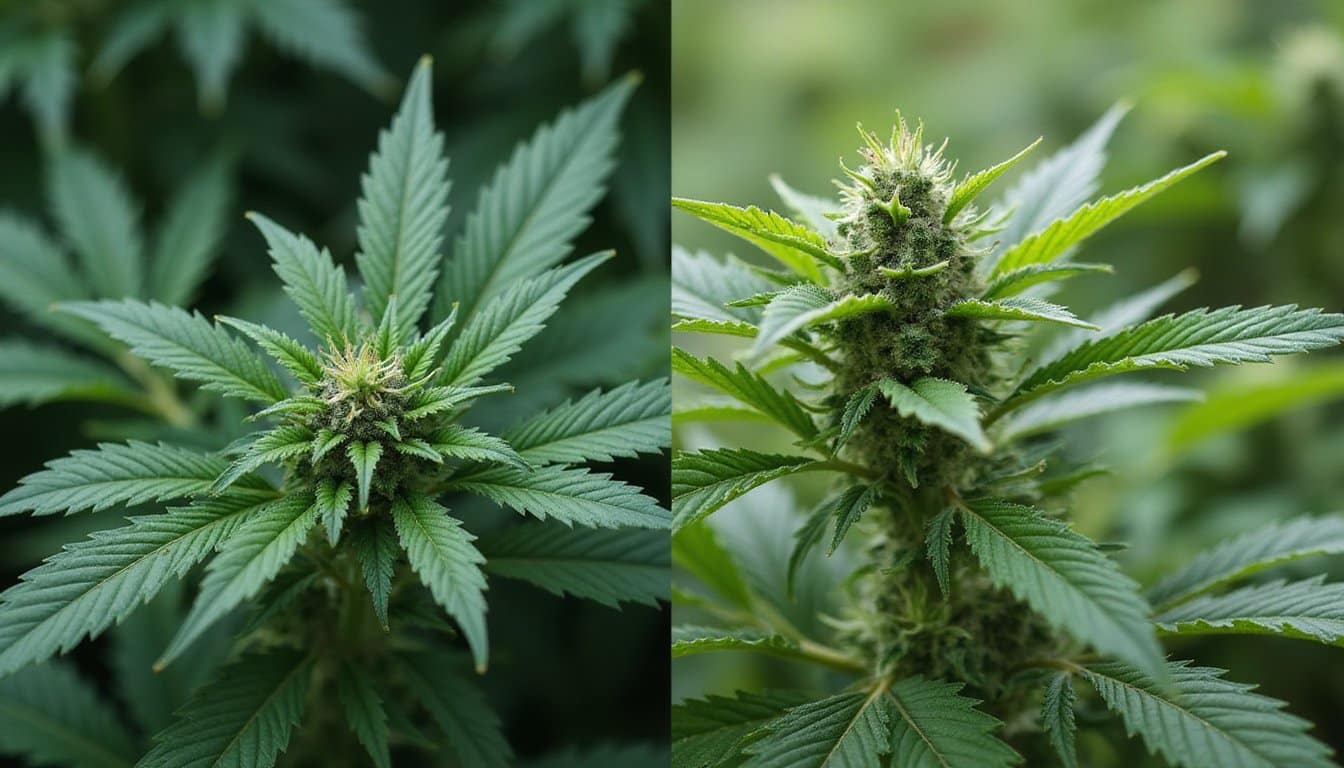
When you’re weighing cannabis options for PTSD, the specific cannabinoid and dose matter more than simply using “marijuana.” Clinical trials show high-THC formulations (around 12% THC) can reduce PTSD severity scores considerably, while CBD-dominant preparations (11% CBD, minimal THC) improve symptoms through different mechanisms, primarily by reducing conditioned fear responses and anxiety during trauma recall. The emerging data suggests balanced ratios of roughly 8% THC to 8% CBD may offer a middle ground, though you’ll need to work with a healthcare provider since individual responses vary and ideal dosing remains under investigation. Research consistently indicates that cannabinoids may help reduce hyperarousal symptoms, which include heightened startle responses and sleep disturbances common in PTSD patients. It’s important to note that PTSD patients who use cannabis are more likely to develop cannabis use disorder, which can complicate treatment outcomes over time.
THC Dosing Trial Results
Because researchers recognize that THC’s effects on anxiety follow a biphasic pattern, low doses may calm while high doses can amplify distress, recent clinical trials have focused on identifying precise therapeutic windows for PTSD treatment. The DRATT trial tests oral THC doses of 6mg, 9mg, and 15mg against placebo, monitoring how each affects the hypothalamic pituitary adrenal axis, cortisol release, and cardiovascular responses. The University of Calgary-sponsored trial uses a reverse Williams crossover design where each participant receives all four interventions in randomized order with one-week washout periods between sessions.
You should understand that THC interacts with the same neurochemical systems, dopamine, serotonin, and noradrenaline, targeted by selective serotonin reuptake inhibitors. Veteran studies suggest supervised microdosing (2.5mg-5mg) may reduce PTSD symptoms by 40-60%, while higher doses often worsen anxiety. The FDA-approved study of 320 veterans using high-THC cannabis flower aims to clarify these thresholds. Treatment-resistant patients averaging seven years without relief from conventional medications may benefit from carefully titrated protocols starting at low-THC formulations. Research in Los Angeles is also investigating whether CBD can mitigate THC’s adverse effects, with one trial specifically assessing CBD’s impact on THC as a potential harm reduction strategy for patients ages 21-55.
CBD-Only Treatment Outcomes
While THC dosing trials continue to refine therapeutic windows, a parallel line of research examines whether cannabidiol (CBD) alone, without THC’s psychoactive effects, can address PTSD symptoms. Unlike THC, CBD doesn’t carry significant cannabis use disorder risk and won’t cause emotional processing impairment or avoidance reinforcement patterns.
The cbd and ptsd evidence remains mixed. A six-week trial using 600mg oral CBD daily showed numerical reductions in PTSD scores versus placebo, though statistical significance wasn’t achieved. Ongoing studies are testing 400-800mg doses across eight weeks in 120 participants. Preclinical research suggests CBD facilitates fear extinction and reduces sleep disturbance ptsd symptoms without treatment interference concerns. Survey data indicates that over 57% reported having PTSD for over ten years, suggesting many individuals turn to CBD after extended periods of symptom management challenges.
You should note that CBD’s mechanism differs from prazosin, it enhances endocannabinoid signaling rather than blocking noradrenergic activity. Current data supports cautious optimism, not definitive conclusions.
Optimal THC:CBD Ratios
Although CBD-only formulations avoid THC’s psychoactive risks, emerging trial data suggest that specific THC:CBD ratios may offer distinct therapeutic profiles for PTSD treatment. A 2021 FDA-regulated trial found balanced formulations (approximately 8% THC + 8% CBD) facilitated fear conditioning extinction, potentially reducing intrusive memories and trauma symptoms. The combination appears to support emotional regulation while CBD offsets THC’s negative dose dependent effects.
However, you should know that high-dose combinations (20mg THC + 640mg CBD) actually increased paranoia and anxiety compared to THC alone. No codified ideal ratios exist from comprehensive literature reviews. Self-titrated approaches show promise, but larger trials are needed to establish minimal effective THC doses that mitigate dependence risks. Currently, evidence-based treatments like cognitive behavioral therapy and eye movement desensitization and reprocessing remain first-line interventions with more predictable outcomes.
The Self-Medication Trap and Cannabis Use Disorder
Why do so many people with PTSD turn to cannabis despite mixed evidence for its effectiveness? You’re likely seeking relief from intrusive memories, hyperarousal, and sleep disturbances, common relapse triggers that drive self-medication patterns. However, this approach carries significant dependence risk and mental health comorbidity concerns. Moreover, exploring treatment options for ptsd recovery can provide a more holistic approach to healing. Evidence-Based therapies, such as cognitive-behavioral therapy and EMDR, have shown promising results in addressing the core symptoms of PTSD. It’s essential to understand the full spectrum of these options to find the most effective path toward recovery.
| Risk Factor | Short-Term Effect | Long-Term Cannabis Effects |
|---|---|---|
| Self-medication | Temporary symptom relief | Increased PTSD severity |
| Cannabis use disorder | Difficulty reducing use | Poorer treatment response |
| Avoidance behaviors | Reduced therapy engagement | Impaired functional outcomes |
Veterans with PTSD are three times more likely to develop cannabis use disorder than those without trauma histories. Evidence-based coping strategies for PTSD, including trauma-focused therapy, offer more predictable outcomes than unregulated cannabis use. Despite observational data showing some patients report significant improvements in sleep quality and reduced nightmare frequency, these findings don’t account for the risks of developing dependence or worsening symptoms over time. Remarkably, no large-scale randomized clinical trial has demonstrated the efficacy of cannabis to treat PTSD, yet multiple states continue to include it as a qualifying condition for medical marijuana programs. In fact, PTSD is the third most common condition that participants in New Jersey’s Medicinal Cannabis Program are treating with cannabis.
Why Frequent Cannabis Use Hits Veterans Harder
The self-medication cycle carries especially high stakes for veterans, who face PTSD rates of 20, 30 percent, far above the 6, 7 percent seen in the general population. Chronic stress interaction with combat trauma creates vulnerability to anxiety disorders and major depressive disorder, driving many to self-medicate flashbacks, hyperarousal, and emotional numbing with cannabis.
Three factors compound veteran risk:
- Higher baseline trauma exposure increases susceptibility to cannabis use disorder comorbidity
- Delayed treatment-seeking allows symptoms to entrench before evidence-based care begins
- Cannabis interference with prolonged exposure therapy undermines trauma processing
Michigan recorded 170 veteran suicides in 2022, nearly double the general population rate. This crisis underscores why researchers are investigating whether reducing cannabis use improves functional outcomes. Current evidence suggests frequent use may worsen the symptoms you’re trying to escape. Wayne State University is now conducting a 12-week treatment program testing varying levels of THC and CBD to evaluate effects on mood, mental health, and overall well-being in veterans with PTSD. This groundbreaking research, led by Professor Leslie Lundahl, represents one of the first randomized, placebo-controlled clinical trials using cannabis for PTSD treatment. The studies were made possible through $10.5 million in grants awarded by the Michigan Cannabis Regulatory Agency’s Veteran Marijuana Research Grant Program.
Safer Ways to Try Cannabis for PTSD
If you’re considering cannabis for PTSD symptoms, you’ll want to minimize risks by starting with the lowest effective dose and selecting CBD-dominant products that reduce THC’s psychoactive burden. Research suggests that low-dose THC formulations, particularly those combined with CBD, may offer symptom relief while lowering dependence potential, though larger trials are still needed to confirm ideal dosing. Studies have shown a significant reduction in PTSD symptoms over three months of cannabis-based medicinal product treatment, regardless of whether patients had comorbid depression. Before trying any cannabis product, consult a healthcare provider who can evaluate your symptom patterns, review medication interactions, and guarantee cannabis won’t interfere with evidence-based treatments like trauma-focused therapy.
Start With Low Doses
Should you choose to try cannabis for PTSD symptoms despite limited clinical evidence, starting with the lowest effective dose reduces your risk of adverse reactions. THC’s biphasic effects mean low doses may normalize your stress response, while higher amounts can trigger paranoia, cognitive impairment, or even psychosis in vulnerable individuals.
Consider these evidence-based guidelines:
- Begin with 2.5, 5mg THC equivalents to assess your tolerance and minimize interference with memory consolidation.
- Increase by 2.5mg increments every 2, 3 days only if symptoms persist without adverse effects.
- Monitor for withdrawal symptoms if you reduce or stop use, as REM rebound can intensify nightmares.
Your individual risk factors, including trauma history, concurrent medications, and family psychiatric history, should guide dosing decisions alongside a qualified healthcare provider.
Choose CBD-Dominant Products
Among the cannabis formulations available, CBD-dominant products offer a potentially safer entry point for individuals exploring cannabinoid therapy for PTSD symptoms. Research shows CBD-dominant formulations (11:1 CBD:THC ratios) improve anxiety, sleep disorders, and mood instability without moderately impairing executive function.
You’ll find strains like AC/DC and Harlequin provide symptom relief while minimizing THC-induced dissociation and heightened threat perception. Australian data confirms CBD-dominant products reduced symptom severity across anxiety, depression, and hyperarousal domains over five months. Importantly, CBD counteracts THC’s anxiety-provoking effects and prevents tolerance development.
When applying harm reduction approaches, consider products with minimal THC content. Studies document median doses of 50mg CBD daily with only 4.4mg THC were well-tolerated in treatment-resistant patients. Common adverse effects remain limited to dry mouth, somnolence, and fatigue, substantially milder than THC-dominant alternatives.
Consult Healthcare Providers First
Selecting a CBD-dominant product represents only one piece of an exhaustive harm reduction strategy, working with a qualified healthcare provider remains the foundation of any cannabis-based approach to PTSD management. A clinician can evaluate whether weed and trauma response patterns in your case warrant this intervention or if self-medication risks outweigh potential benefits.
Your provider should assess:
- Current medications, cannabis interactions with antidepressants or benzodiazepines can intensify attention deficits and sedation
- Symptom patterns, determining if nightmares, anxiety exacerbation, or hyperarousal might worsen with THC exposure
- Treatment history, documenting failed conventional therapies before considering cannabis
Understanding can marijuana worsen PTSD symptoms requires individualized evaluation. Patient safety considerations demand regular follow-ups to monitor tolerance development, dependency signs, and symptom trajectory. Don’t bypass professional guidance, evidence-based care optimizes outcomes while minimizing preventable harms.
Facing weed addiction can feel overwhelming, but support is available. Florida Addiction Resource LLC is here to connect you with trusted treatment providers across Florida. Whether you need cannabis detox treatment programs, residential care, outpatient services, or ongoing recovery support, we’ll help you access the appropriate resources. Ready to take the next step? Contact us at (561) 562-4336 to discover the care that’s right for you
Frequently Asked Questions
How Long Does THC Stay Detectable in Urine After Stopping Cannabis Use?
THC stays detectable in your urine for varying periods depending on your usage pattern. If you’ve used cannabis once, you’ll likely test negative within 3 days at standard cutoffs. With moderate use, expect 5, 7 days. If you’re a chronic daily user, detection extends to 10, 30 days, and heavy chronic use can remain detectable beyond 30 days. Your body fat percentage, metabolism, and the test’s sensitivity threshold also influence results.
Can Cannabis Interact Dangerously With My PTSD Medications Like Antidepressants?
Yes, cannabis can interact dangerously with your PTSD medications. THC and CBD inhibit cytochrome P450 enzymes in your liver, which metabolize most antidepressants. This competition can increase sedation, dizziness, and cognitive impairment. High-THC products may also worsen anxiety and paranoia, counteracting your antidepressant’s benefits. You shouldn’t combine cannabis with psychiatric medications without consulting your prescriber, who can assess your specific drug interactions and adjust dosing accordingly.
What Withdrawal Symptoms Should I Expect if I Stop Using Cannabis?
You’ll likely experience sleep difficulties, irritability, anxiety, decreased appetite, and depressed mood within 24, 48 hours of stopping cannabis. Symptoms typically peak between days 3, 6 and subside within 1, 2 weeks. If you’ve used heavily or long-term, expect more intense withdrawal. Research shows 25% of users experience severe symptoms. Since you’re managing PTSD, work closely with your healthcare provider, withdrawal can temporarily worsen anxiety and sleep disturbances before improving.
Does Cannabis Affect Brain Development Differently in Teenagers With PTSD?
Yes, cannabis affects your developing brain more severely when you have PTSD. Your prefrontal cortex, already compromised by trauma, undergoes accelerated thinning with cannabis use, impairing emotional regulation and impulse control you need for recovery. THC’s higher potency today intensifies these effects on CB1-rich regions. Studies show you’re at increased risk for worsening anxiety, depression, and cognitive deficits. A trauma-informed clinician can help you explore safer, evidence-based treatment alternatives.
Are Cbd-Only Products Legal and Available Without a Prescription Nationwide?
No, CBD-only products aren’t legal and available without a prescription nationwide. While the 2018 Farm Bill legalized hemp-derived CBD containing 0.3% THC or less federally, state laws vary extensively. Twenty states allow full CBD legality, but twenty-nine impose conditional restrictions requiring medical use or physician approval. You’ll also find some states ban CBD in food, supplements, or smokable forms. Always verify your state’s specific regulations before purchasing.