






Current research doesn’t show that smoking weed directly causes PCOS. However, THC does disrupt your reproductive hormones by suppressing GnRH, LH, and FSH, the signals your body needs for regular ovulation. Cannabis use can lengthen your follicular phase, shorten your luteal phase, and even deplete ovarian follicles over time. While some animal studies suggest low-dose THC may reduce PCOS-related inflammation, you’ll want to understand the full picture before making any decisions. quitting weed digestive symptoms explained can be particularly relevant for those who experience gastrointestinal distress after ceasing consumption. It’s essential to recognize that the body undergoes various adjustments, and digestive issues may arise as the system recalibrates. Understanding these symptoms can help manage the transition more effectively and maintain overall well-being.
Can Weed Actually Cause PCOS?
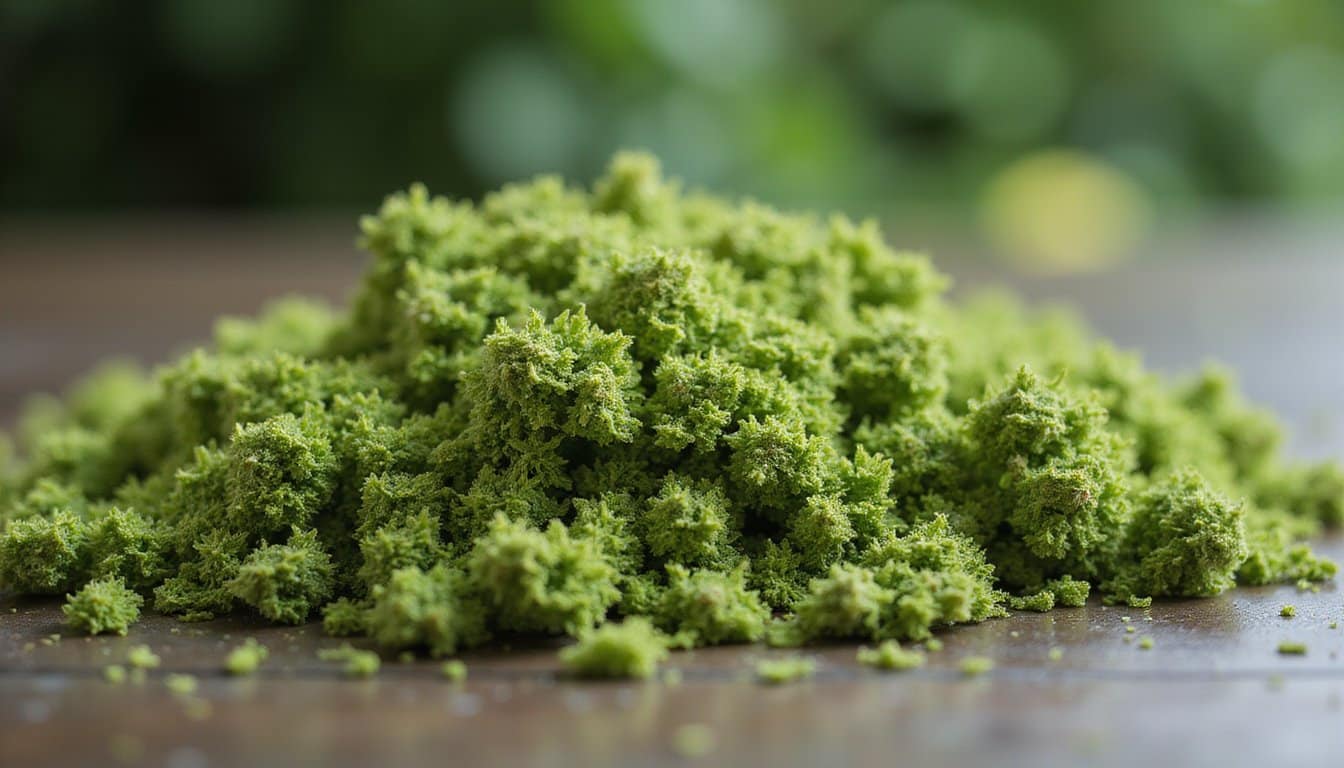
No direct evidence shows that smoking weed causes PCOS. Polycystic ovary syndrome stems from genetic, environmental, and lifestyle factors, marijuana isn’t listed among them. While cannabis interacts with your endocannabinoid system and can temporarily suppress luteinizing hormone, these effects don’t trigger the underlying ovarian pathology defining PCOS.
Research actually reveals surprising findings. In animal models, low-dose THC reduced testosterone levels and improved follicle development in PCOS subjects. The THC-treated animals also showed decreased inflammatory markers, including TNF-α, IL-1β, and IL-6 in ovarian tissue. This suggests potential therapeutic effects rather than causation. However, you shouldn’t interpret this as permission to self-medicate.
What cannabis may do is worsen the existing hormonal imbalance that cannabis users already experience with PCOS. If you have insulin resistance or ovarian dysfunction cannabis could potentially aggravate symptoms, but it won’t create the condition itself. It’s worth noting that approximately 18% of adults in the US report marijuana use, making this a relevant concern for many women managing PCOS.
How THC Disrupts Your Reproductive Hormones
When you use cannabis, THC directly interferes with your hypothalamic-pituitary-ovarian (HPO) axis, the communication system that controls your reproductive hormones. THC binds to CB1 receptors in your hypothalamus and pituitary gland, suppressing the release of gonadotropin-releasing hormone (GnRH), which in turn reduces your luteinizing hormone (LH) and follicle-stimulating hormone (FSH) levels by 20, 40 percent during acute use. This hormone signaling suppression disrupts the precise balance your body needs for regular ovulation and menstrual cycles. Chronic exposure to cannabinoids has been shown to delay sexual maturation, disrupt the menstrual cycle, and reduce sex hormone levels in females. The endocannabinoid system plays a role in regulating ovulation, menstrual cycles, and fertility, which explains why THC’s interference with this system can have such significant reproductive consequences.
HPO Axis Disruption
Several interconnected hormonal pathways link your brain to your ovaries, and THC can disrupt each one. Your hypothalamus releases gonadotropin-releasing hormone, which signals your pituitary to secrete follicle-stimulating hormone and luteinizing hormone. THC interferes with this cascade by suppressing GnRH through altered glutamate and GABA signaling. When LH drops, your ovaries produce less progesterone, compromising cycle regularity.
Your endocannabinoid system maintains precise hormonal balance for reproduction. Introducing THC overloads cannabinoid receptors in your hypothalamus, pituitary, and ovaries, creating widespread signaling disruption. The endocannabinoid system is the largest receptor system in your body, which explains why THC can have such far-reaching effects on multiple organs and hormonal pathways. The good news is that fertility can return when you stop chronic, long-term cannabis use, as your body works to restore normal hormonal function.
- THC suppresses GnRH secretion, reducing downstream FSH and LH release
- Decreased LH leads to lower progesterone levels during your luteal phase
- Follicle development stalls when FSH stimulation becomes inadequate
- Cannabinoid receptor activation in ovarian tissue directly impairs steroidogenesis
Hormone Signaling Suppression
Beyond the hypothalamic-pituitary axis, THC suppresses hormone signaling at multiple points throughout your reproductive system. The gnrh suppression mechanism operates through THC’s regulation of glutamate and GABA neurotransmitters, which decreases GnRH secretion and subsequently reduces FSH and LH release from your pituitary gland. This disruption is significant because cannabinoids interact with the hypothalamic-pituitary-gonadal axis, affecting the entire hormonal cascade that regulates reproduction.
THC also causes thyroid hormone disruption by inhibiting TSH secretion in a dose-dependent manner, potentially leading to reduced T4 and T3 synthesis. You may experience cortisol and stress hormone elevation after consumption, with chronic users developing sustained elevations that blunt normal stress responses. These effects occur because CB1 receptors are located in brain regions that control hormone release, including the hypothalamus.
At the ovarian level, follicular development and ovulation inhibition occur as THC disrupts mitochondrial energy production via cAMP regulation. Additionally, progesterone synthesis inhibition happens when THC prevents pregnenolone conversion to progesterone, compromising luteal phase maintenance throughout your hypothalamic pituitary ovarian axis.
Does Cannabis Change Your Menstrual Cycle?
How considerably does cannabis affect your menstrual cycle? Research shows marijuana and ovulation share a complex relationship. Cannabis use female hormones studies reveal THC shortens your luteal phase by 5.4 days when combined with tobacco, dropping from 16.8 to 11.4 days. This weed’s impact on the menstrual cycle directly reduces progesterone production essential for fertility. Research participants who co-used marijuana and tobacco were 23% unable to detect their LH surge in the first month, compared to only 5% of tobacco-only users.
Cannabis combined with tobacco can shorten your luteal phase by 5.4 days, directly impacting progesterone levels and fertility potential.
- Occasional use increases your follicular phase by 3.5 days, while frequent use adds 2 days
- THC exposure disrupts FSH levels, altering ovarian follicle development and maturation
- Adolescent cannabis use depletes ovarian follicles by nearly 50% in adulthood
- Chronic use (3 times weekly) prolongs menstrual period duration through dose-dependent effects
Menstrual irregularities marijuana causes stem from cannabinoid receptor activation in your ovaries, disrupting the hypothalamic-pituitary-ovary axis and cannabis and androgen levels balance. Research from Louisiana State University indicates women appear to use more cannabis during the premenstrual and menstrual phases to manage increases in negative affect associated with these cycle phases.
Why Some Research Shows THC Helps PCOS Symptoms
You might find it surprising that some preclinical studies suggest THC could actually benefit certain PCOS markers rather than worsen them. Laboratory research has shown that low-dose THC vastly reduces inflammation markers like CRP and oxidative stress indicators, while shifting immune responses toward anti-inflammatory pathways. These same studies demonstrate improved ovarian follicle development, including increased secondary, tertiary, and Graafian follicles, along with reduced atretic follicles and follicle wall thickness compared to untreated PCOS models. Since dysregulation of the ECS is involved in the development of PCOS, cannabinoid therapy may help restore balance and provide relief from associated pain and inflammation. This therapeutic potential is particularly relevant given that cannabinoids can activate PPARs, which are receptors already targeted by existing PCOS treatments like thiazolidinediones for managing metabolic symptoms.
Anti-Inflammatory Effects Observed
Several animal studies demonstrate that THC reduces key inflammatory markers linked to PCOS pathology. Research shows tetrahydrocannabinol from cannabis sativa considerably decreases pro-inflammatory cytokines, including TNF-α, IL-6, and IL-1b in ovarian tissue. You’ll find that cytokine reduction occurs alongside enhanced antioxidant enzyme activity, with increased superoxide dismutase, glutathione peroxidase, and catalase levels.
THC also promotes macrophage polarization toward the anti-inflammatory M2 phenotype, helping restore immune balance in affected tissue. These mechanisms collectively address the chronic inflammation characteristic of PCOS. This is significant because chronic low-grade inflammation is a hallmark feature that can exacerbate insulin resistance and increase the risk of long-term complications in women with PCOS.
- THC lowers C-reactive protein levels, indicating reduced systemic inflammation
- Anti-inflammatory IL-10 expression increases with THC treatment
- Oxidative stress markers decrease as antioxidant defenses strengthen
- M1/M2 macrophage balance shifts toward tissue-protective responses
These findings suggest potential therapeutic pathways, though human clinical trials remain necessary.
Improved Follicle Development
Much of the research on cannabis and reproductive health focuses on disruption, yet some findings suggest THC may paradoxically support follicle development in certain hormonal contexts. When you have PCOS, excess LH drives androgen excess from theca cells, impairing dominant follicle selection. THC’s suppression of GnRH and LH secretion could theoretically normalize this imbalance, reducing testosterone levels that stall follicular maturation. While exploring the multifaceted effects of cannabis on hormonal health, some studies have also raised questions about whether substances like THC can weed cause gender dysphoria in susceptible individuals. This area of research is still nascent, yet it opens up significant discussions about the intersection of cannabis use and gender identity, especially among those who may already be dealing with hormonal imbalances. Understanding these complex relationships is crucial for developing holistic treatment approaches that consider both physical and psychological well-being.
Studies show marijuana users experience longer follicular phases, up to 3.5 additional days, potentially allowing improved follicle recruitment. CB1 and CB2 receptors in your ovaries influence estrogen production, and cannabinoid activation may modulate these pathways. While cannabidiol’s role remains less defined, THC’s effects on the HPO axis could counteract hyperinsulinemia-driven hormonal disruption. However, these observations don’t confirm therapeutic benefit, and ovulation support requires controlled clinical trials, not self-medication.
Can Weed Reduce the Inflammation Behind PCOS?

Because chronic low-grade inflammation plays a central role in PCOS pathophysiology, researchers have begun investigating whether cannabinoids can modulate the inflammatory cascade that worsens metabolic and reproductive symptoms. Preclinical study findings demonstrate that THC reduces pro-inflammatory cytokines TNF-α and IL-6, while CBD enhances anti-inflammatory responses through cytokine regulation.
Your endocannabinoid system role extends beyond reproduction, CB2 receptor activation enables immune system modulation that may calm the chronic inflammation ovaries experience in PCOS. These mechanisms suggest practical anti-inflammatory applications worth monitoring.
- Cytokine suppression: THC and CBD lower inflammatory markers linked to insulin resistance
- Immune balancing: CB2 receptor interactions prevent excessive ovarian tissue damage
- Metabolic improvement: CBD demonstrates insulin-sensitizing effects in animal models
- Localized relief: Cannabinoid formulations may address pelvic inflammation directly
However, human clinical trials remain essential before recommending cannabinoids for PCOS inflammation management.
What Scientists Still Don’t Know About Weed and PCOS
Despite growing interest in cannabis for women’s health conditions, researchers have identified fewer than a handful of clinical trials specifically examining how marijuana affects PCOS symptoms, hormone levels, or long-term fertility outcomes.
Federal Schedule I classification has historically blocked PCOS-specific cannabis research, leaving critical questions unanswered about pituitary hormone disruption and insulin sensitivity cannabis interactions. You won’t find robust data on how THC influences anovulation patterns or whether it functions as one of many endocrine disruptors affecting ovarian function.
The fertility effects marijuana may have on women with PCOS remain largely theoretical. Scientists haven’t studied cannabis polypharmacy risks in patients managing metabolic comorbidities, nor have they examined how different consumption methods impact the metabolic health of women experiencing this condition. Until targeted clinical trials address these gaps, you’re making decisions with incomplete evidence. This research void is particularly concerning given that women account for only 31% of medical cannabis patients surveyed, suggesting significant barriers may prevent women from accessing and contributing to evidence-based cannabis medicine. However, emerging research on ovarian cancer cells shows that CBD and THC caused little harm to healthy cells, which may eventually inform safer therapeutic approaches for reproductive conditions like PCOS.
Is Cannabis Worse for Fertility Than Cigarettes?
When comparing reproductive harm, cannabis and tobacco affect fertility through distinct but overlapping mechanisms, and the evidence suggests neither substance deserves a pass. Research shows cannabis users demonstrate profoundly higher sperm immotility (68.66%) versus tobacco smokers (58.92%). THC endocrine effects include hypothalamic suppression of gonadotropin release, while tobacco accelerates ovarian aging and depletes egg reserves.
Both substances interfere with female hormone regulation through cytochrome P450 enzymes in the liver, potentially altering how your body processes reproductive hormones.
- Cannabis disrupts endocannabinoid signaling reproduction pathways, causing greater DNA damage and oxidative stress in sperm than tobacco
- Tobacco smokers face 2.27 times higher infertility risk and require nearly double the IVF cycles
- THC hypothalamic suppression reduces LH and FSH by 20, 40%
- An extensive fertility evaluation for women should include a substance use assessment
Should You Avoid Weed If You Have PCOS?
How you weigh cannabis use against your PCOS management goals depends largely on what symptoms you’re prioritizing, and whether fertility is part of your plan.
If you’re trying to conceive, THC’s disruption of the hypothalamic-pituitary-ovary axis compounds existing reproductive hormone imbalance, making avoidance the safer choice. Cannabis endocrine research shows THC worsens menstrual cycle irregularity and may amplify hormonal imbalance in women already struggling with elevated androgens. Additionally, the effects of cannabis on pregnancy are also a subject of concern, as research suggests that THC can cross the placenta and potentially impact fetal development. Expectant mothers should be cautious, as the use of cannabis during this crucial time may lead to adverse outcomes such as low birth weight and developmental issues. Prioritizing a healthy pregnancy often means steering clear of substances that could pose risks to both mother and child.
THC disrupts the hormonal axis already compromised by PCOS, potentially worsening cycle irregularity and androgen imbalance.
However, if you’re managing pain, anxiety, or insulin resistance and PCOS without fertility concerns, CBD may offer supportive benefits. It doesn’t carry THC’s proven fertility risks and shows promise for improving insulin sensitivity.
Consult your healthcare provider before integrating any cannabis product. Given current PCOS risk factors and limited clinical trials, personalized guidance remains essential for protecting your long-term reproductive health.
What to Ask Your Doctor About Cannabis and PCOS
Because your doctor serves as your primary resource for integrating any therapy with PCOS management, you’ll want to arrive prepared with specific questions that address both symptom relief and reproductive safety. Focus your conversation on how cannabis affects the hypothalamus, pituitary gland, and ovaries, the core axis disrupted in PCOS.
- Ask whether reproductive-age cannabis use could worsen your LH-to-FSH ratio or delay ovulation.
- Discuss how THC accumulation in adipose tissue might influence the metabolic syndrome risk that women with PCOS already face.
- Request guidance on potential interactions between cannabis and current medications like metformin.
- Clarify what symptoms warrant immediate follow-up if you proceed with cannabis use.
Document your current medications, prior treatment responses, and specific goals, whether cycle regulation or fertility, so your clinician can tailor evidence-based recommendations.
Ready to Break Free From Cannabis Dependency?
If cannabis use has started to feel less like a choice and more like a necessity, that shift is worth paying attention to. Florida Addiction Resource connects you with trusted, licensed cannabis detox and addiction treatment programs across Florida, free of charge and available 24/7. You don’t have to navigate this alone. Call +1 (561) 562-4336 today and let us help you find the right support.
Frequently Asked Questions
How Long After Quitting Weed Will My Hormones Return to Normal?
Your hormones typically begin normalizing within one to three menstrual cycles after you stop using cannabis. THC clears from your body as hypothalamic signaling recovers, though exact timelines vary based on your usage frequency and individual metabolism. Unfortunately, researchers haven’t established precise recovery periods for hormone levels in humans, particularly for those with PCOS. You’ll want to work with your healthcare provider to monitor your specific hormonal markers during this shift.
Can CBD Products Affect PCOS Differently Than THC?
Yes, CBD and THC affect PCOS through different mechanisms. THC binds directly to CB1 receptors, reducing LH and FSH secretion, while CBD may improve insulin sensitivity without the same hormonal disruption. Research shows women with PCOS have elevated CB1 and CB2 receptors correlated with glucose dysregulation. CBD’s potential to address insulin resistance, present in 50, 70% of PCOS cases, offers a distinct therapeutic pathway, though you should discuss any cannabinoid use with your healthcare provider.
Does Edible Cannabis Have the Same Hormonal Effects as Smoking Weed?
Edibles don’t produce identical hormonal effects to smoking weed. When you consume cannabis orally, your liver converts THC into 11-hydroxy-THC, a stronger, longer-lasting metabolite. Edibles amplify ghrelin (your hunger hormone) more noticeably than smoking and show delayed effects on GLP-1, which influences insulin pathways. While both routes blunt insulin response, edibles’ slower onset and prolonged duration may extend hormonal disruption, potentially affecting your menstrual cycle differently than inhaled cannabis.
Will Using Weed Interfere With My PCOS Medications Like Metformin?
Yes, weed can interfere with metformin. CBD combined with metformin may cause a dramatic drop in blood sugar levels, leading to dizziness, fainting, or injury from hypoglycemia. Both substances reduce glucose through different mechanisms, amplifying each other’s effects. If you’re considering cannabis use, consult your healthcare provider first. They may recommend separating intake by approximately two hours and monitoring your blood sugar closely under medical supervision.
Can Secondhand Marijuana Smoke Affect My Reproductive Hormones?
Yes, secondhand marijuana smoke can likely affect your reproductive hormones. THC absorbs through passive exposure and binds to CB1 receptors in your hypothalamus and pituitary, potentially disrupting LH and FSH secretion. While direct research on secondhand cannabis smoke remains limited, studies on secondhand tobacco smoke show measurable hormonal disruptions and fertility impacts. If you have PCOS, minimizing all smoke exposure supports your hormonal balance and treatment effectiveness.