

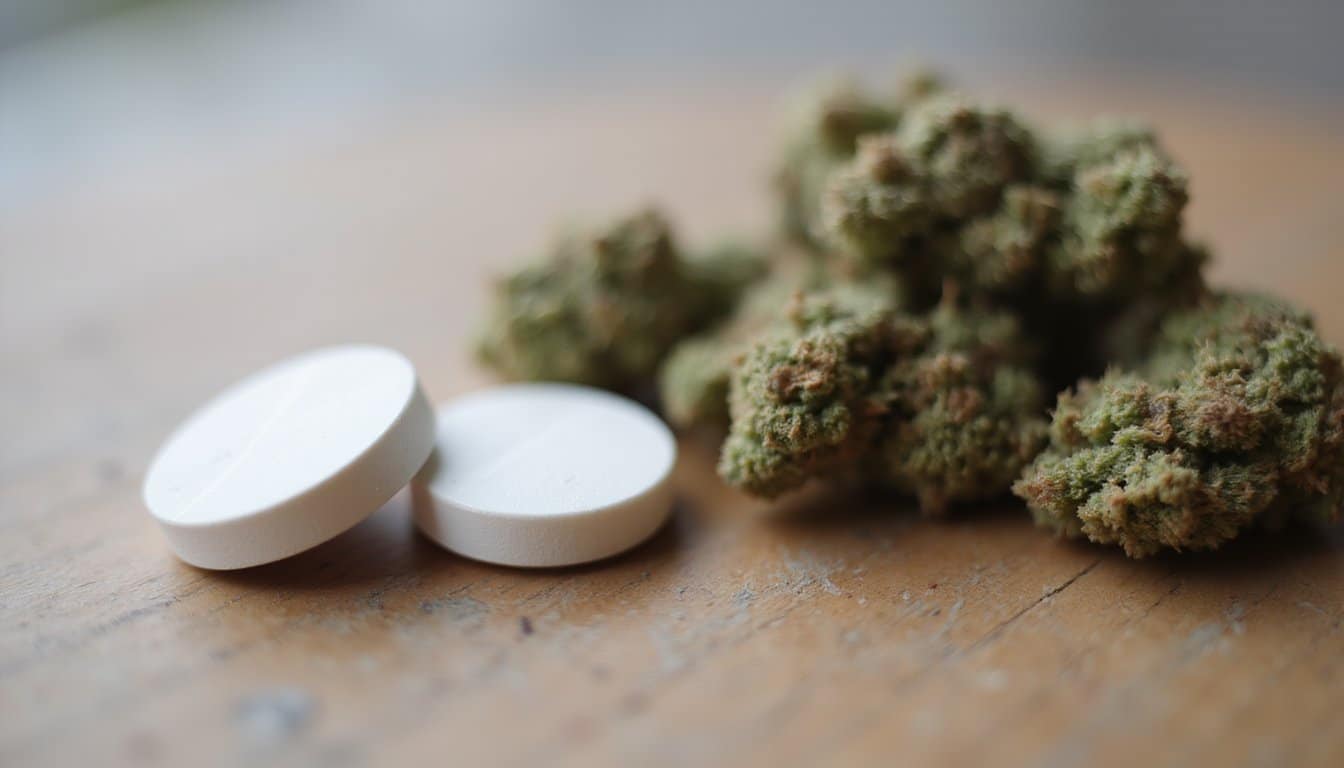




When you take Adderall without a prescription or abuse higher doses, you’ll experience a stimulant high marked by intense euphoria, heightened alertness, and overwhelming confidence. Your brain’s flooded with dopamine, creating feelings of invincibility and extreme motivation. You’ll notice dilated pupils, rapid heartbeat, and racing thoughts. However, this high comes with serious cardiovascular strain and inevitably crashes into fatigue, irritability, and depression. Understanding the full progression from euphoria to potential overdose is essential. Taking Adderall without a prescription or in high doses can produce a stimulant high marked by intense euphoria, heightened alertness, and inflated confidence as dopamine surges in the brain. Physical signs often include dilated pupils, rapid heartbeat, and racing thoughts. However, the cardiovascular strain is significant, and the high typically crashes into fatigue, irritability, and low mood. Understanding short term vs long term Adderall effects is essential, as misuse can quickly progress from brief euphoria to serious health risks, including overdose.
What an Adderall High Feels Like

When Adderall is taken in higher doses than prescribed or by someone without ADHD, it can produce a stimulant high characterized by intense euphoria, heightened alertness, and a surge of confidence. You’ll experience rapid dopamine release, creating feelings of invincibility and extreme motivation. So what does Adderall feel like during misuse? The stimulation triggers hyperexcitability, racing thoughts, and overwhelming Adderall energy.
Understanding how does Adderall affect people without ADHD is critical, the drug floods reward pathways unnaturally. What does Adderall do to a normal person includes dilated pupils, rapid heartbeat, and amplified body temperature. Does Adderall give you energy? Yes, but this artificial boost comes with risks. You may become overly talkative, impulsive, or agitated as the high intensifies. Smoking Adderall affects brain pathways faster, causing more severe side effects and increasing the likelihood of addiction and withdrawal. Over time, users develop tolerance and require higher dosages to achieve the same euphoric effects, leading to a dangerous cycle of escalating consumption. Many people initially misuse Adderall to stay awake, boost productivity, or lose weight, not realizing how quickly dependency can develop.
Short-Term Side Effects of an Adderall High
Beyond the euphoric rush and surge of energy, an Adderall high triggers a cascade of adverse physical and psychological effects that can emerge rapidly. You’ll likely experience increased heart rate, blood pressure changes, and dilated pupils within minutes of misuse. Cardiovascular strain can manifest as palpitations or disrupted heart rhythms, posing immediate danger. Some individuals may wonder if the stimulant properties of the medication lead to unintended side effects, such as does Adderall cause hair growth. While hair growth is not a commonly documented effect, some users note changes in their hair health due to alterations in metabolism and hormonal fluctuations caused by the drug. It’s essential to consult with a healthcare professional to understand all potential impacts on your body while using such substances.
Psychologically, the stimulant’s effects often shift from confidence to anxiety and panic as the dose intensifies. You may feel restless, agitated, or paranoid. Insomnia becomes inevitable as the drug disrupts your natural sleep architecture.
The crash/comedown phase presents its own challenges. Once Adderall’s effects wear off, you’ll encounter fatigue, irritability, and depressive symptoms. This rebound effect drives many toward repeated use, establishing dangerous patterns that compound both short-term risks and long-term health consequences. The medication releases dopamine in the brain, which can lead to reliance on the drug for feelings of reward and motivation.
Why Snorting or Smoking Adderall Is So Dangerous

Snorting or smoking Adderall bypasses the drug’s intended oral absorption pathway, delivering concentrated amounts directly into your bloodstream within seconds. This rapid onset floods your brain with dopamine/norepinephrine, intensifying both the high and addiction potential. When you snort amphetamines, you risk severe nasal damage, including septal perforation, chronic nosebleeds, and permanent loss of smell.
Cardiovascular risks escalate dramatically with these methods, causing dangerous heart rate spikes, irregular rhythms, and potential stroke. Smoking-specific harms include lung toxicity, chronic bronchitis, and airway damage from vaporized pill fillers. These methods can also cause elevated blood pressure, anxiety, and trouble sleeping that compound the cardiovascular dangers.
Overdose dangers increase substantially because crushing extended-release formulations overwhelms your system rapidly. You can’t accurately measure doses, and counterfeit pills containing fentanyl make each use potentially fatal. Adderall XR is intended to last all day and is even more potent, which can cause more severe side effects when misused.
Signs an Adderall High Has Become an Overdose
The line between an intense Adderall high and a medical emergency can blur dangerously fast. If you’re wondering can Adderall get you high, you should also recognize when that high becomes life-threatening.
What does an Adderall high feel like when it crosses into overdose? You may experience severe chest pain, irregular heartbeat, or dangerously amplified body temperature. Neurological warning signs include tremors, seizures, confusion, and hallucinations. Getting high on Adderall can escalate to paranoia, panic, and agitation requiring immediate intervention.
Does Adderall make you high enough to cause lasting damage? Yes, overdose can trigger rhabdomyolysis, organ damage, or cardiac arrest. If you notice convulsions, extreme hypertension, or loss of consciousness, call emergency services immediately. The Adderall high feeling isn’t worth these consequences. Combining Adderall with other stimulants or depressants significantly increases your risk of experiencing a dangerous overdose.
How Adderall Abuse Leads to Addiction

Recognizing overdose symptoms is critical, but understanding how repeated misuse rewires the brain explains why people continue taking Adderall despite serious risks. When you use Adderall to get high, your brain’s dopamine system adapts to the stimulant high, requiring increasingly larger doses to achieve the same adderall high effects.
Addiction development follows a predictable pattern. Each time you get high off Adderall, neural pathways reinforce drug-seeking behavior. Data shows 0.2% of the population meets criteria for stimulant use disorder, with 116,000 people admitted to rehab for amphetamine addiction in 2012 alone. The primary source of misused Adderall comes from family or friends who obtained the medication through legitimate prescriptions. Young adults are particularly vulnerable, with 10.8% of those aged 23-24 reporting Adderall abuse, the highest rate among all age groups.
Can you get high off of Adderall without consequences? The evidence says no. Research shows that among individuals treated for ADHD who abuse prescription stimulants, the most common method involves crushing pills and snorting them to achieve a faster high. Understanding how to get high off Adderall doesn’t prevent the neurological changes that transform recreational use into compulsive dependence.
Substance use disorders require specialized medical treatment whether for yourself or a loved one. Florida Addiction Resource LLC connects clients with licensed, accredited treatment facilities across Florida. Our services include medically supervised detoxification, residential treatment centers, Intensive Outpatient Programs (IOP), and comprehensive continuing care. Our clinical coordinators conduct assessments to recommend individualized treatment based on ASAM criteria and specific clinical needs. For a confidential consultation, contact our admissions team at (561) 562-4336. All inquiries handled in accordance with HIPAA regulations.
Frequently Asked Questions
How Long Does an Adderall High Typically Last?
An Adderall high typically lasts 4 to 6 hours with immediate-release formulations and 10 to 12 hours with extended-release versions. You’ll notice effects within 30 to 60 minutes of taking immediate-release, with peak intensity occurring 1 to 3 hours later. Your individual metabolism, tolerance level, dosage, and whether you’ve eaten can all influence how long you’ll experience effects. Higher doses generally produce longer-lasting but riskier experiences.
Can You Get High From Prescribed Adderall Doses?
You typically won’t experience a high from prescribed Adderall doses when taken as directed. Therapeutic doses improve focus and attention without producing euphoria. However, if you take more than prescribed, crush and snort tablets, or use them without a medical need, you can experience intoxicating effects. Signs of misuse include running out of prescriptions early, needing higher doses, and experiencing withdrawal symptoms between doses.
Does Adderall Affect Everyone the Same Way?
No, Adderall doesn’t affect everyone the same way. Your individual response depends on baseline cognitive performance, dopamine receptor ratios, and neurobiological differences. If you have lower baseline cognitive function, you’ll likely experience greater improvement. Your mental health history also influences outcomes, those with psychiatric risk factors face higher chances of negative psychological effects. Heart rate, blood pressure changes, and emotional responses vary substantially between individuals, creating distinctly different experiences.
What Should You Do if Someone Is Experiencing an Adderall High?
If someone’s experiencing an Adderall high, you should stay calm and monitor them closely. Watch for dangerous symptoms like rapid heartbeat, high body temperature, seizures, or confusion. Don’t leave them alone. If you observe signs of overdose, including chest pain, hallucinations, or loss of consciousness, call 911 immediately. Don’t induce vomiting or give fluids. Note the amount taken and timing to inform medical professionals accurately.
Is Adderall More Dangerous When Mixed With Alcohol or Other Drugs?
Yes, mixing Adderall with alcohol or other drugs greatly increases your risk of serious harm. Adderall masks alcohol’s sedative effects, so you can’t gauge how intoxicated you are, leading to overconsumption and alcohol poisoning. The combination strains your cardiovascular system, elevating blood pressure and heart rate while increasing overdose risk. You’re also more likely to experience impaired judgment, risky behaviors, and long-term organ damage when combining these substances.