






When you use cannabis, THC triggers an immediate spike in heart rate and blood pressure within minutes of consumption. Your heart rate can jump 20-50 beats per minute, placing significant strain on your cardiovascular system. Regular use poses even greater risks, chronic users show up to 50% reduced vascular function and face 34% higher rates of coronary heart disease. Understanding how different consumption methods and cannabinoids affect these risks can help you make informed decisions. Research has shown that the physiological impact of cannabis use extends beyond its immediate effects, influencing long-term health outcomes as well. For example, certain cannabinoids may alter metabolic processes, potentially leading to changes in weight and overall wellness.
How Weed Affects Your Blood Pressure Right Away
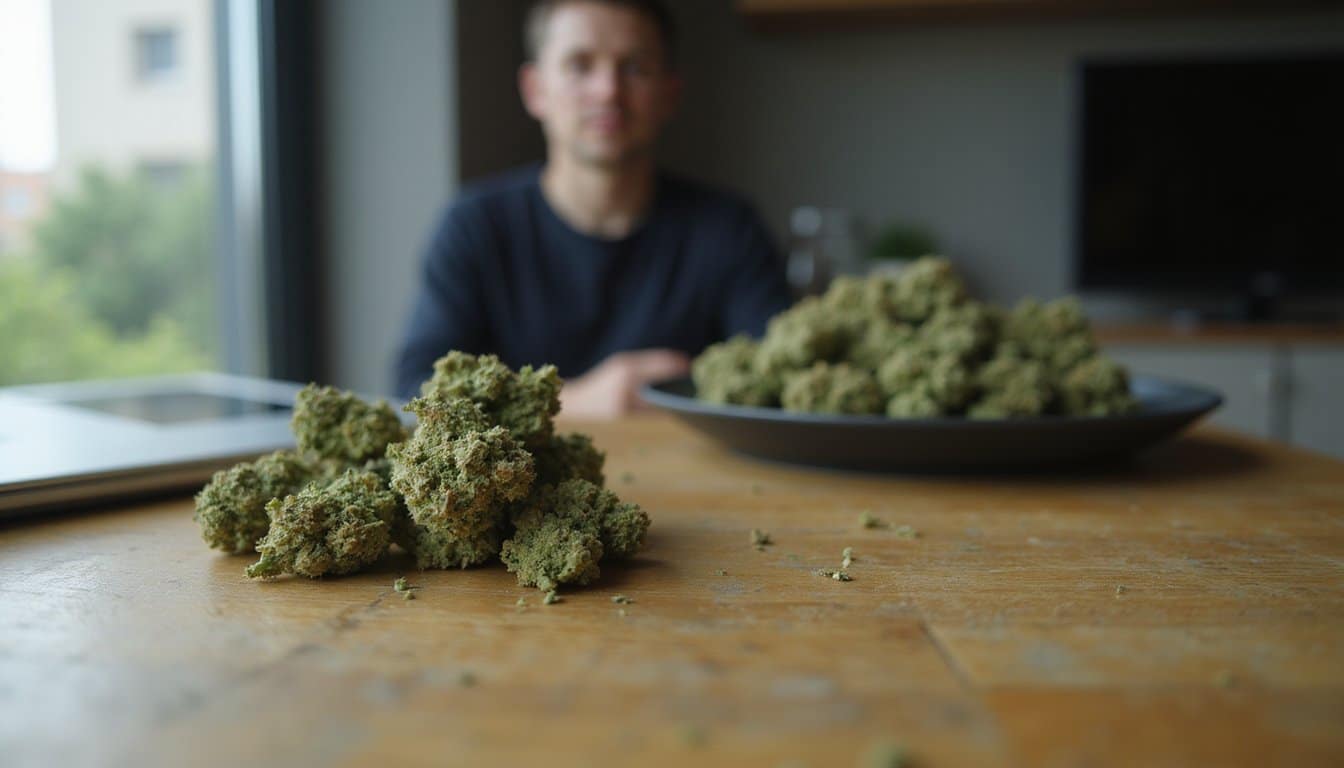
When you smoke or vaporize cannabis, THC enters your bloodstream within seconds and triggers your sympathetic nervous system, causing an immediate spike in both heart rate and blood pressure. Delta-9-tetrahydrocannabinol activates CB1 receptors throughout your cardiovascular system, producing dose-dependent increases in systolic pressure. Research shows recent use correlates with a 1.6 mmHg systolic rise and increased pulse pressure.
Your heart rate can jump 20 to 50 beats per minute as your body demands more oxygen. This sympathetic activation also triggers platelet activity, elevating clotting risk. You’ll experience these effects most intensely if you’re an inexperienced user or consume high doses. The cardiovascular response typically peaks within 3 to 10 minutes, placing immediate strain on your heart and vessels. However, researchers found no association detected between cannabis use and diastolic blood pressure levels.
What Happens to Blood Pressure With Regular Cannabis Use?
When you use cannabis regularly, your blood vessels may lose up to half their normal function compared to nonusers, a decline that directly elevates your risk for hypertension and cardiovascular events. Studies show daily users face a 25% higher heart attack risk and 42% higher stroke risk than those who abstain. These vascular changes occur regardless of whether you smoke or consume edibles, indicating the compounds themselves, not just inhalation, drive long-term cardiovascular harm. Research also indicates that adults under 50 who use cannabis are more than 6 times more likely to experience a heart attack than non-users. The effects of weed on heart rate can further complicate the cardiovascular risks associated with cannabis use. Users often report an increase in heart rate, which can lead to additional strain on the heart and exacerbate existing health conditions. As cannabis usage becomes more prevalent, understanding its impact on heart rate and overall cardiovascular health is essential for informed decision-making.
Chronic Vascular Function Decline
Although short-term blood pressure spikes from cannabis typically resolve within hours, regular use can trigger lasting damage to your blood vessels that standard readings won’t detect.
Research shows chronic marijuana smokers exhibit flow-mediated dilation averaging just 6.0% compared to 10.4% in nonusers, a clear marker of endothelial dysfunction. This impairment correlates directly with smoking frequency. Your body’s vascular smooth muscle relaxation becomes compromised as nitric oxide production drops by 27% in regular users. Cell-based assays revealed that endothelial cells exposed to serum from marijuana smokers released less nitric oxide than those exposed to nonuser serum.
THC augments vasoconstriction while inhibiting normal vessel relaxation, increasing peripheral vascular resistance over time. These changes reflect autonomic nervous system imbalance and elevated oxidative stress markers that damage arterial walls. Chronic inflammation and vascular health deterioration explain why cannabis users face heightened risks for arteritis, limb ischemia, and even aortic thrombosis, consequences that persist despite normal blood pressure measurements.
Hypertension Risk Increases
Because regular cannabis use triggers repeated sympathetic nervous system activation, your blood pressure doesn’t simply return to baseline, it faces cumulative cardiovascular strain that compounds over time. Cannabis sativa compounds bind to CB1 receptor sites throughout your endocannabinoid system, repeatedly elevating heart rate and vascular resistance.
| Risk Factor | Clinical Finding |
|---|---|
| Chronic marijuana use cardiovascular risk | 50% higher heart attack incidence |
| Stroke occurrence | 17-24% increase in users |
| Coronary heart disease | 34% higher diagnosis rate |
If you’re managing hypertension, marijuana use in hypertensive patients presents compounded dangers. Each session strains already-compromised vessels, worsening blood pressure control and increasing hospitalization rates. Studies confirm that frequent consumption disrupts antihypertensive medication effectiveness, particularly statins and antiarrhythmics. Your cardiovascular system can’t sustain this repeated assault without consequence.
Heart Disease Likelihood Rises
Given that chronic cannabis use places sustained demand on your cardiovascular system, the progression from elevated blood pressure to structural heart disease follows a predictable clinical pathway. Research shows daily users face a 34% higher likelihood of a coronary artery disease diagnosis. The dose-dependent blood pressure effects accelerate atherosclerosis through repeated vascular stress and inflammation.
Your risk profile worsens considerably with regular use. Studies demonstrate a 25% increased myocardial infarction risk among daily users, while stroke risk climbs 42%. THC-induced platelet activation promotes clot formation, and arrhythmia rates rise substantially in cannabis users requiring hospitalization.
These cardiovascular consequences persist regardless of consumption method. Whether you smoke, vape, or consume edibles, the underlying mechanisms driving heart disease remain active, making frequency reduction essential for protecting long-term cardiac function.
Can Weed Cause Long-Term Hypertension?
While large population studies haven’t found a direct link between cannabis use and hypertension diagnosis, you shouldn’t assume your cardiovascular system is protected from long-term harm. Chronic cannabis use impairs your vascular endothelial function by roughly half compared to nonusers, which reduces your blood vessels’ ability to relax and expand properly. Daily users face measurable risks, including a sixfold increased risk of heart attack and fourfold increased stroke risk, yet significant research gaps remain regarding the exact mechanisms connecting cannabis to sustained blood pressure changes.
Chronic Use Reduces Vessels
Though acute blood pressure spikes from cannabis typically resolve within hours, mounting evidence suggests chronic use may cause lasting vascular damage that sets the stage for persistent hypertension.
When you smoke marijuana three or more times weekly, your vascular endothelial function deteriorates considerably. Research shows a 27% reduction in nitric oxide release from endothelial cells, impairing your arteries’ ability to dilate properly. This chronic vascular impairment contributes to arterial narrowing and increased resistance to blood flow.
THC triggers inflammation in vessel-lining cells, accelerating atherosclerosis development. Studies confirm inflammatory markers rise within hours of use, while animal research demonstrates larger arterial plaques with regular THC exposure. These hypertension risk factors compound over time, straining your cardiovascular system. The damage mirrors tobacco’s effects, leaving your vessels less responsive and elevating long-term blood pressure risks.
Daily Users Face Risks
Despite acute blood pressure spikes following cannabis use, large-scale population studies don’t support a clear link between regular marijuana consumption and long-term hypertension. NHANES data shows monthly users had similar systolic readings (124.5 mm Hg) compared to never users (122.6 mm Hg), with an odds ratio for hypertension of 0.88.
However, daily cannabis use blood pressure changes warrant attention. Daily users face 34% higher coronary heart disease risk, and chronic consumption cuts vascular function roughly in half. Research on cannabis use in older adults cardiovascular risk reveals concerning patterns, including cannabis induced arrhythmia risk and potential cannabis and metabolic syndrome association. While cannabidiol may offer some cardiovascular modulation, long term cannabis cardiovascular outcomes remain understudied. You should discuss your usage patterns with a healthcare provider to assess individual risk factors.
Research Still Shows Gaps
Large-scale epidemiological studies haven’t established a definitive link between chronic cannabis use and long-term hypertension. NHANES and MESA cohort data show no significant association between sustained use and elevated blood pressure, even when analyzing frequency, duration, or age of first use. However, critical knowledge gaps remain.
- CB1 receptor activation, cardiovascular effects and CB2 receptor interactions require further investigation in controlled, longitudinal settings
- Endocannabinoid modulation of vascular tone mechanisms aren’t fully understood across diverse populations
- Cannabis dose response relationship and cannabis tolerance development lack standardized assessment protocols
- Cannabis interaction with antihypertensive drugs through CYP450 pathways needs systematic clinical evaluation
You should recognize that current research relies heavily on self-reported, retrospective data. Studies haven’t adequately assessed edibles or vaporization methods, and potential confounding from tobacco co-use remains under-explored.
Does THC or CBD Affect Blood Pressure More?
When you’re weighing cannabis options and their cardiovascular effects, understanding the distinct impacts of THC versus CBD on blood pressure matters considerably. Another aspect to consider is seaweed good for metabolism, as it offers numerous health benefits that might support overall wellness. Many people are turning to natural supplements like seaweed to enhance their dietary routines and boost metabolic rates. By incorporating such superfoods, individuals can potentially improve their energy levels and weight management strategies.
THC activates your sympathetic nervous system, triggering cannabis related tachycardia response and elevating systolic BP by 1.6-3 mmHg. It increases vasoconstriction in certain vessels while paradoxically causing THC induced vasodilation mechanism in others. This dual action can disrupt your baroreceptor reflex and reduce parasympathetic nervous system activity.
CBD produces opposite effects. Studies show it lowers systolic BP by 6-8 mmHg during stress and decreases total peripheral resistance. CBD’s cannabis hypotensive effects stem from endothelium-dependent vasorelaxation and sympathoinhibition.
The evidence indicates CBD reduces blood pressure more consistently than THC. If you have cardiovascular concerns, CBD demonstrates a more favorable acute profile, though neither compound replaces evidence-based hypertension treatments.
Do Smoking and Edibles Affect Blood Pressure Differently?

How substantially does your method of cannabis consumption alter its cardiovascular impact? Research shows smoking and edibles produce similar acute blood pressure effects, though delivery mechanisms differ. Both methods trigger immediate heart rate increases and temporary blood pressure elevation, with cannabis smoking and heart disease risk linked to toxic byproducts, causing endothelial dysfunction.
- Smoking induces reflex tachycardia with supine blood pressure rise, while higher doses cause orthostatic hypotension
- Marijuana edibles’ cardiovascular response mirrors smoking effects, reducing blood vessel function comparably
- The marijuana and hypertension association shows no significant chronic differences between consumption methods
- Marijuana withdrawal blood pressure changes affect heavy users regardless of preferred method, with systolic increases up to 22.8 mmHg
Tolerance to hypotension and cardiovascular effects develops rapidly with repeated exposure through either route. Monitor symptoms when reducing use.
How Cannabis Use Can Hurt Your Heart
Recent pooled analyses of approximately 200 million adults reveal that cannabis users face a 29% higher risk of acute coronary syndrome and a 20% increased stroke risk compared to non-users. You’re also twice as likely to die from cardiovascular disease if you use cannabis regularly.
Acute cannabis use causes blood pressure changes through multiple mechanisms. THC triggers tachycardia while simultaneously causing vasodilation, creating conflicting demands on your cardiovascular system. This affects both the cannabis impact on systolic pressure and the cannabis impact on diastolic pressure unpredictably.
CB1 receptor activation damages your endothelial cells, promoting arterial stiffness and thrombosis. If you’re under 50, your risk multiplies dramatically, you’re 6.2 times more likely to experience a heart attack than non-users.
Can Weed Raise Your Risk of Heart Attack or Stroke?

Could cannabis use actually trigger a heart attack or stroke? Research confirms your risk increases substantially with cannabis consumption. According to data reviewed by the Centers for Disease Control and Prevention and the American Heart Association, daily users face 25% higher odds of heart attack and 42% higher stroke risk compared to non-users.
- Daily medical cannabis users show elevated marijuana and stroke incidence regardless of consumption method
- Cannabis effect on cardiac output increases myocardial oxygen demand, potentially triggering events
- Users under 50 are six times more likely to experience heart attacks than non-users
- Cannabis related palpitations signal acute cardiovascular stress requiring attention
A meta-analysis of 12 studies demonstrates 50% increased heart attack risk among users. These findings persist after controlling for tobacco use, BMI, and diabetes status.
Why We Still Don’t Have Clear Answers on Weed and Blood Pressure
Despite decades of research, scientists still can’t pin down whether cannabis consistently raises or lowers blood pressure. You’re dealing with conflicting data because studies use different methods, populations, and unregulated strains with varying THC concentrations.
The National Institute on Drug Abuse acknowledges these gaps. Research shows acute sympathetic activation can spike your blood pressure, while a parasympathetic rebound effect may lower it afterward. Cannabis affects vascular endothelial function and causes marijuana and orthostatic dizziness, yet long-term impacts remain unclear.
Cross-sectional designs can’t establish causality. Self-reported use introduces bias. There’s no standardized “pack-year” equivalent for cannabis exposure. Public health guidelines cannabis use recommendations lack robust longitudinal evidence.
Until researchers conduct controlled studies comparing consumption routes and standardized formulations, you won’t get definitive answers about cardiovascular risk.
Blood Pressure Precautions for Cannabis Users
Three key precautions can help you minimize cardiovascular risks when using cannabis.
First, monitor postural hypotension symptoms like dizziness and fainting episodes, which signal dangerous blood pressure drops. Second, track your readings through blood pressure monitoring after cannabis use to identify concerning patterns. Third, discuss your risk factors for hypertension with a healthcare provider before use.
- Recognize warning signs: Chest discomfort, palpitations, or shortness of breath may indicate cardiovascular adverse events requiring immediate attention.
- Avoid cannabis if you have existing heart conditions: Hypertension, arrhythmias, or coronary artery disease increase your vulnerability.
- Understand regulatory gaps: The Food and Drug Administration hasn’t approved cannabis for blood pressure management.
- Review drug interactions: Cannabis may alter how your body processes antihypertensive medications through CYP450 pathways.
Ready to Break Free From Cannabis Dependency?
If cannabis use has started to feel less like a choice and more like a necessity, that shift is worth paying attention to. Florida Addiction Resource connects you with trusted, licensed cannabis detox and addiction treatment programs across Florida, free of charge and available 24/7. You don’t have to navigate this alone. Call +1 (561) 562-4336 today and let us help you find the right support.
Frequently Asked Questions
How Long Does Weed Stay in Your System After Use?
Weed stays in your system for varying lengths depending on the test type and your usage patterns. Urine tests detect THC for 1-3 days if you’re an occasional user, but chronic daily users may test positive for over 30 days. Blood tests show detection for 1-2 days typically, while saliva tests detect use for 24-72 hours. Hair follicle tests offer the longest detection window, up to 90 days after your last use.
Can Cannabis Interact With My Blood Pressure Medications?
Yes, cannabis can interact with your blood pressure medications. THC inhibits CYP3A4 and CYP2D6 enzymes, potentially elevating drug concentrations of beta-blockers, calcium channel blockers, and other antihypertensives to dangerous levels. This increases your risk of severe hypotension, dizziness, and falls. CBD also affects warfarin metabolism, requiring close monitoring. You should inform your healthcare provider about cannabis use so they can adjust dosages and monitor for adverse cardiovascular effects.
What Symptoms Indicate I Should Seek Emergency Care After Using Cannabis?
You should seek emergency care immediately if you experience chest pain lasting more than a few minutes, sudden weakness or numbness on one side of your body, difficulty speaking, severe headache, confusion, vision changes, or loss of consciousness. These symptoms may indicate a heart attack or stroke. Additionally, fainting, severe palpitations, or shortness of breath that doesn’t resolve warrant urgent medical evaluation, especially if you have underlying cardiovascular disease.
Is Cannabis FDA-Approved for Treating High Blood Pressure?
No, cannabis isn’t FDA-approved for treating high blood pressure. The FDA hasn’t authorized any cannabis, cannabis-derived, or CBD products for hypertension management. While some studies show mixed cardiovascular effects, no rigorous clinical trials support cannabis as a blood pressure therapy. You should rely on evidence-based treatments like the DASH diet, exercise, sodium reduction, and prescribed antihypertensive medications. Always consult your healthcare provider before using cannabis if you have elevated blood pressure.
What Are Safer Alternatives for Managing Blood Pressure Naturally?
You can manage blood pressure naturally through several evidence-based strategies. Follow the DASH diet, which reduces systolic pressure by up to 11.4 mmHg. Get at least 150 minutes of aerobic exercise weekly and maintain a healthy weight. Increase potassium-rich foods like bananas and spinach while limiting sodium to under 2,300 mg daily. Practice stress-reduction techniques such as meditation or yoga. Consider supplements like fish oil or CoQ10 after consulting your healthcare provider.